Field exercises
Full-scale exercise – Georgian EMT
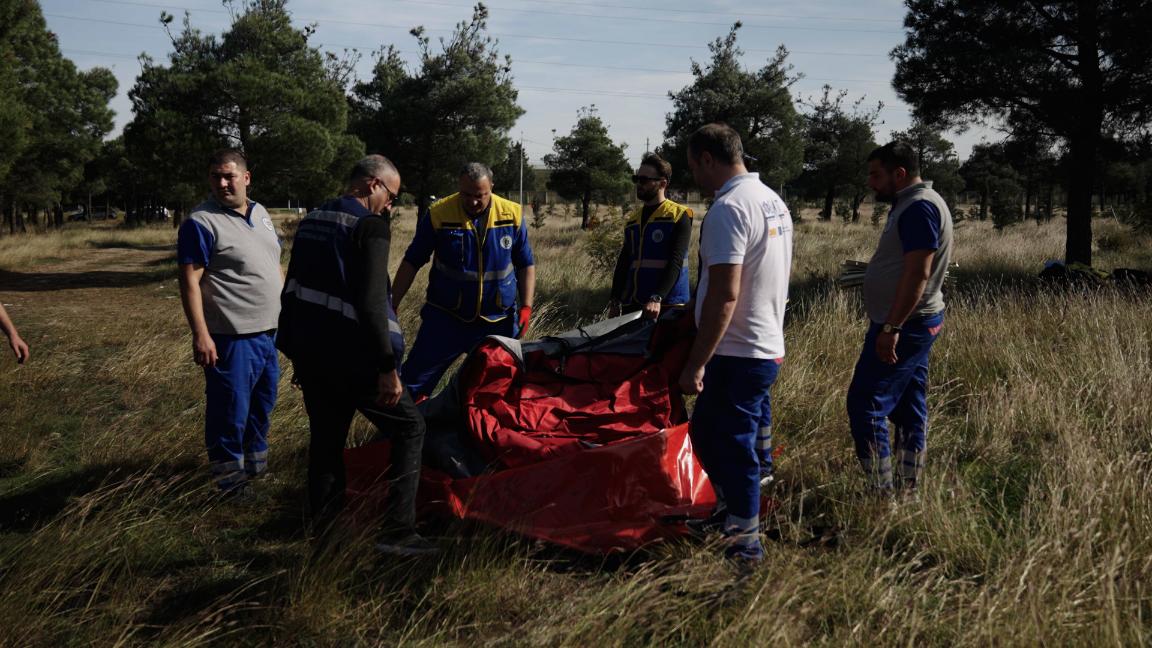
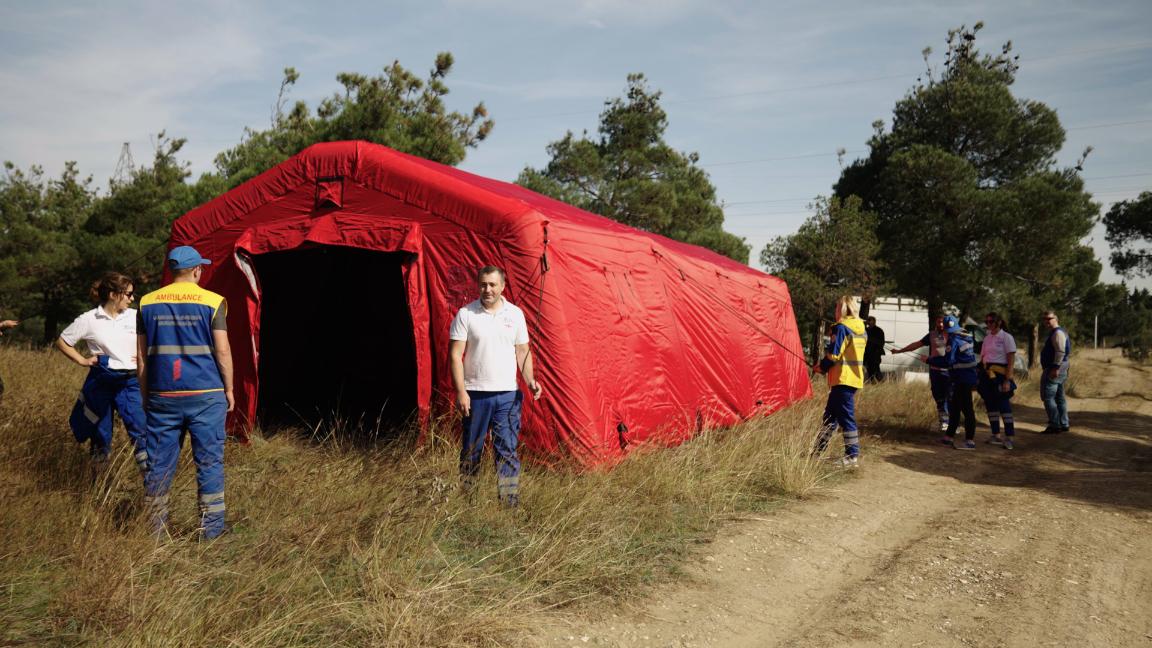
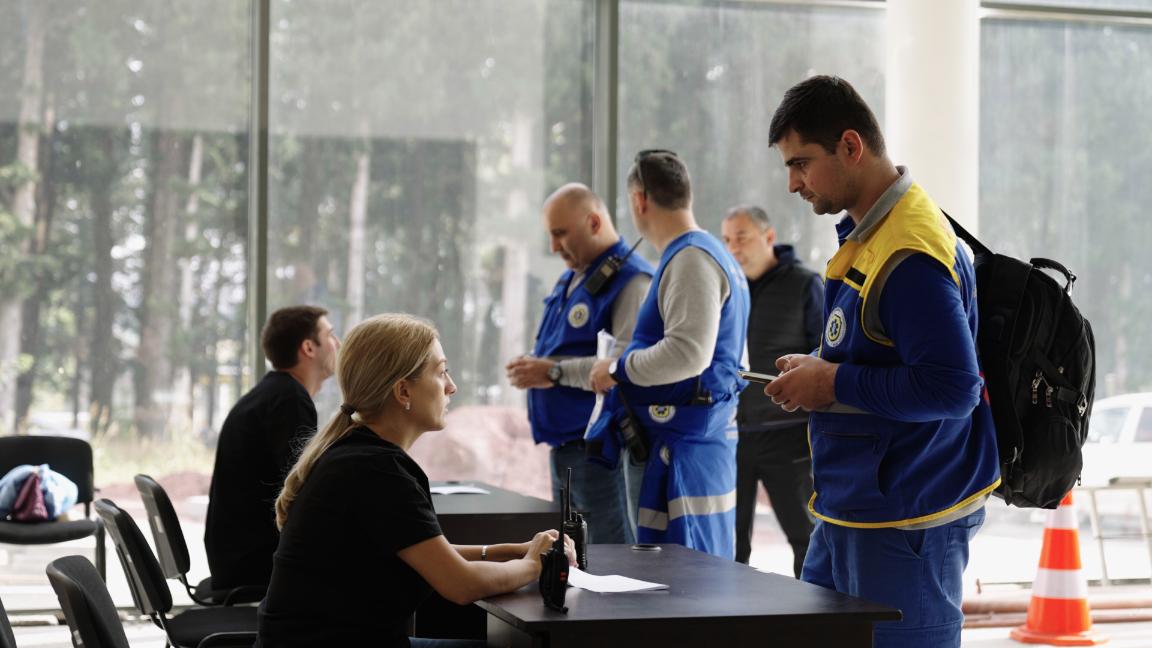
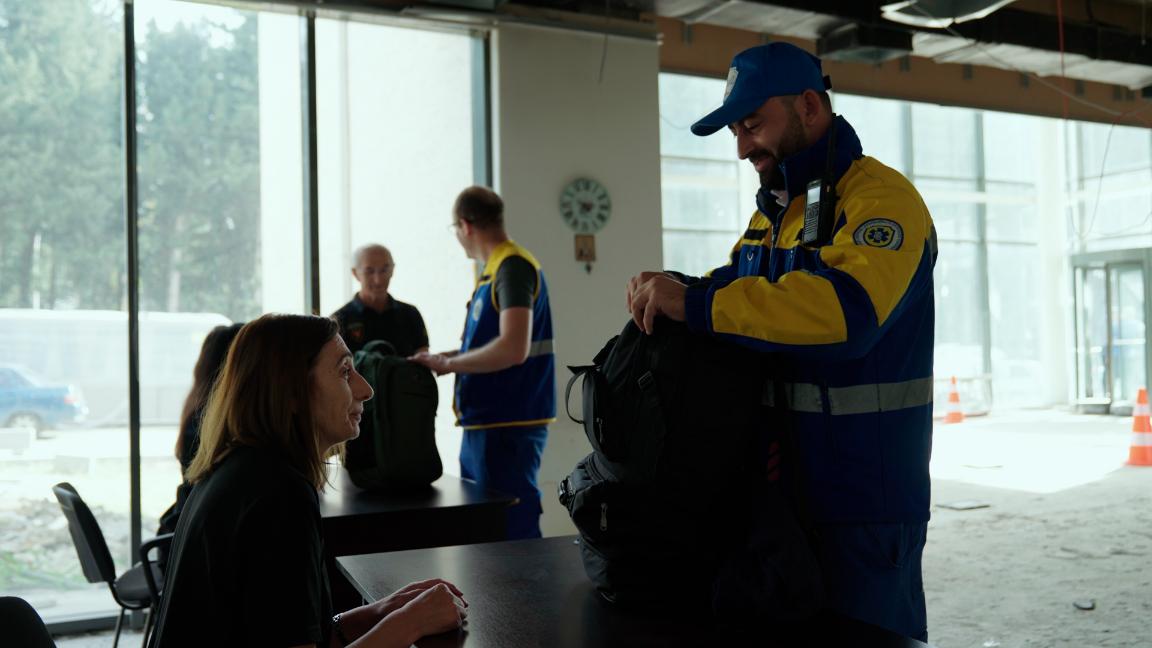
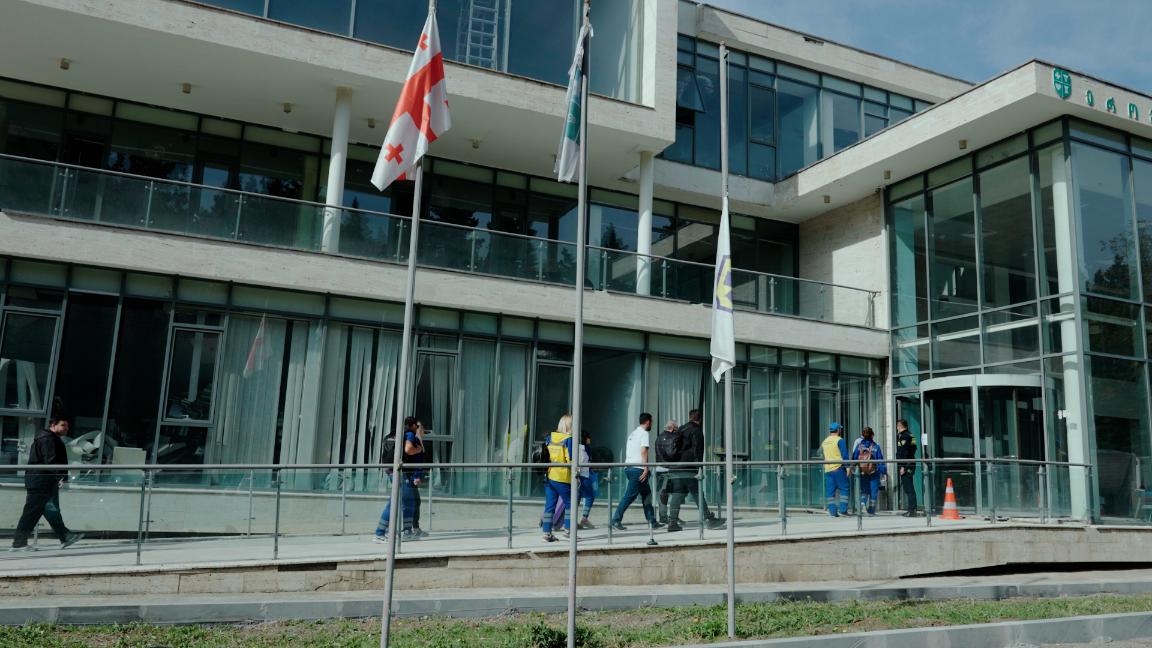
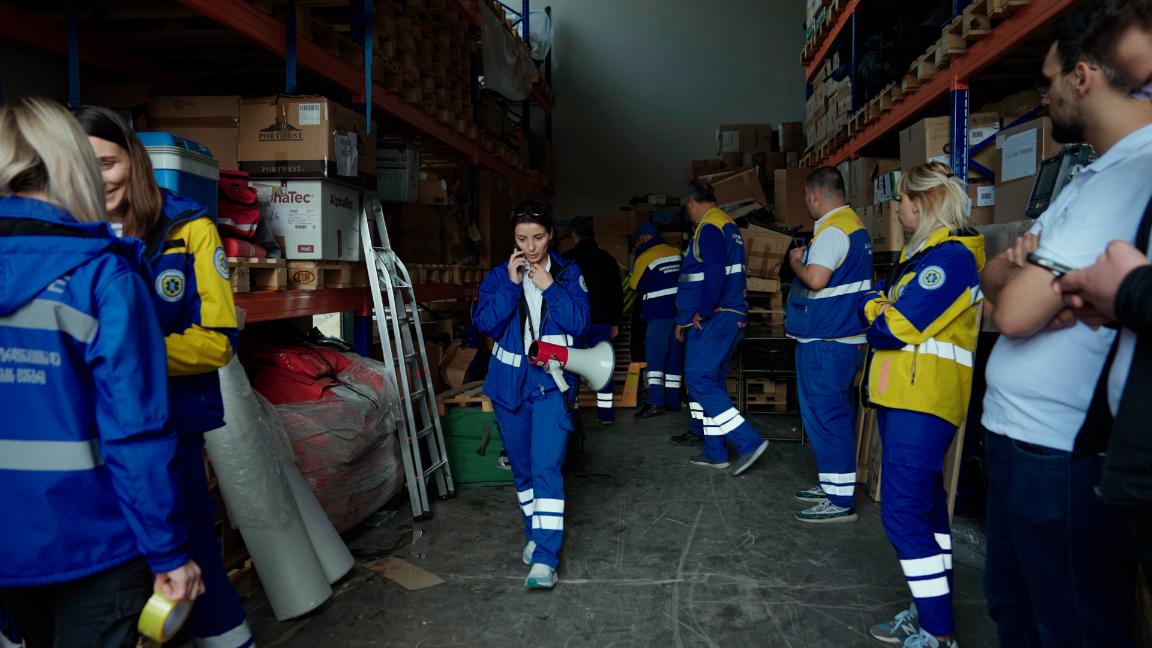
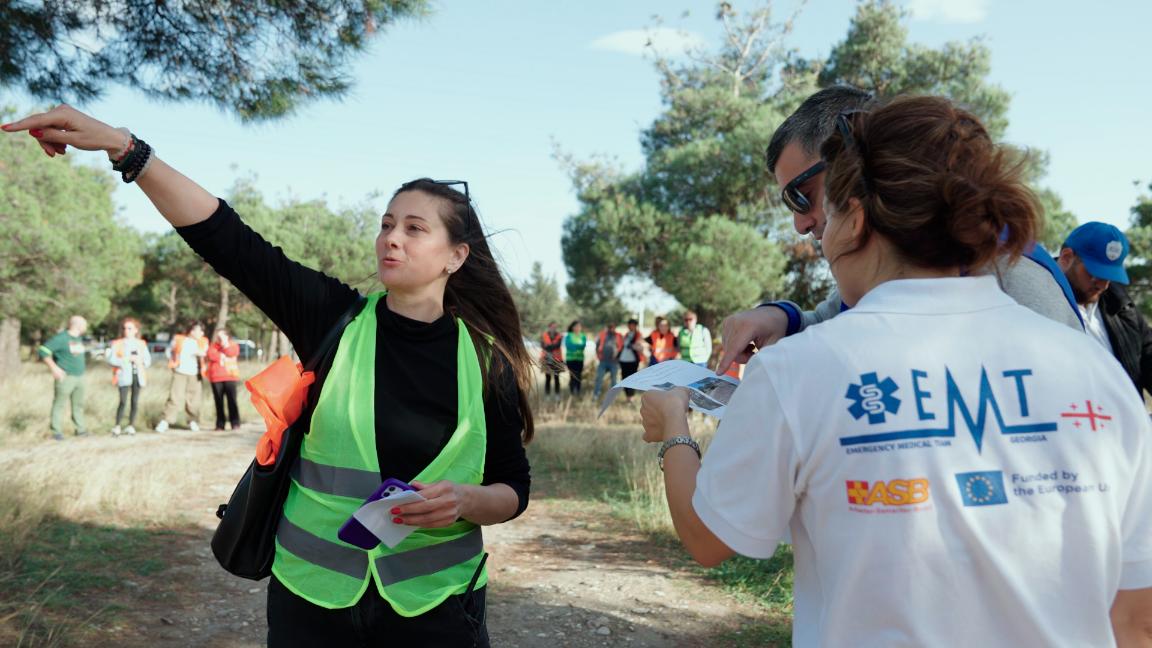
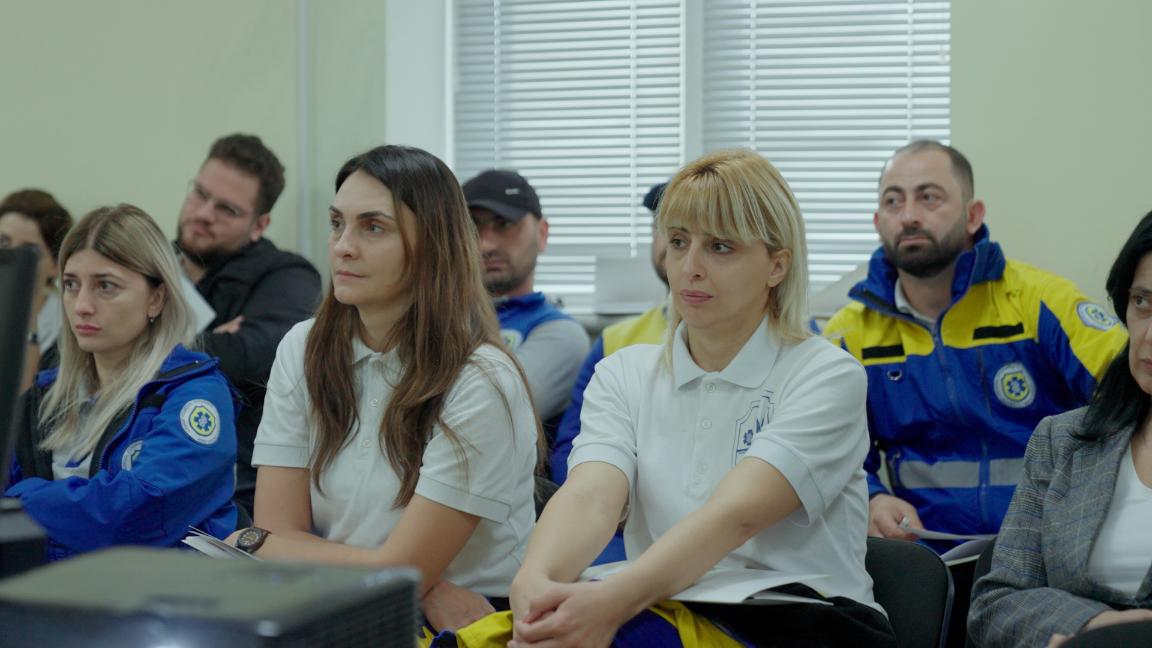
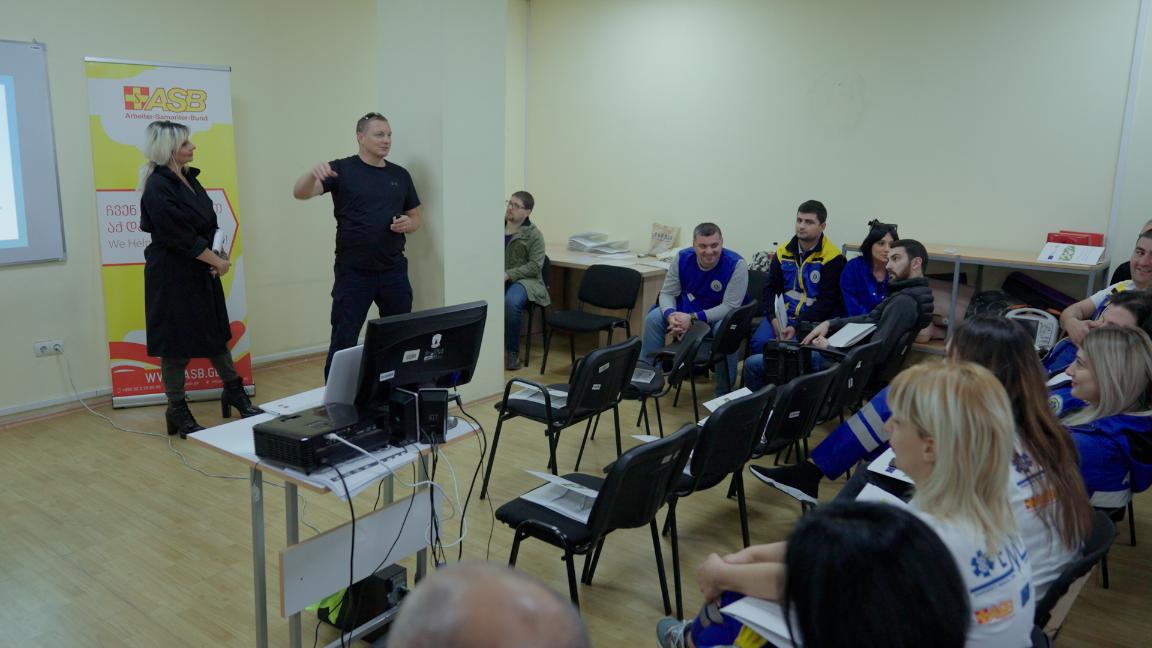
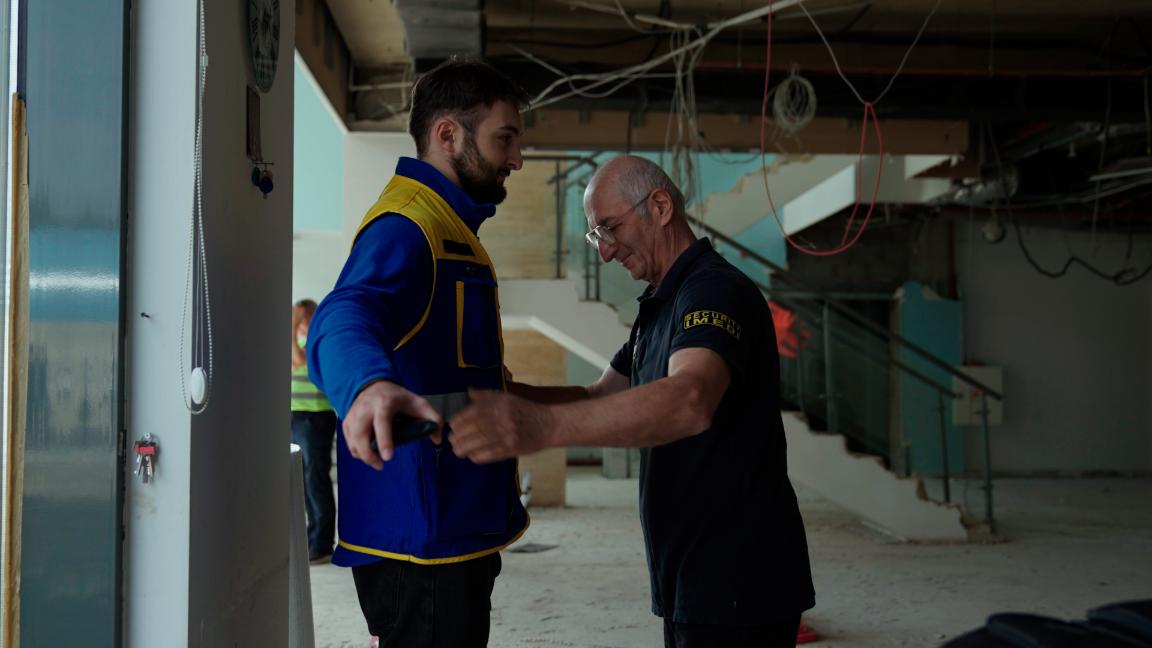
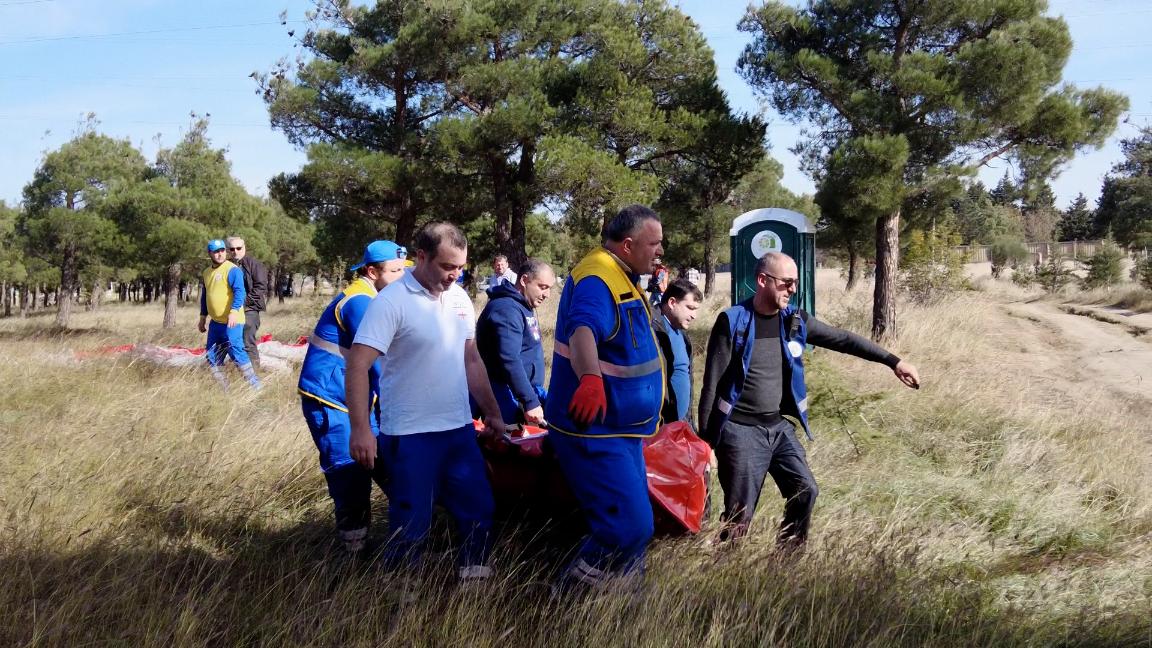
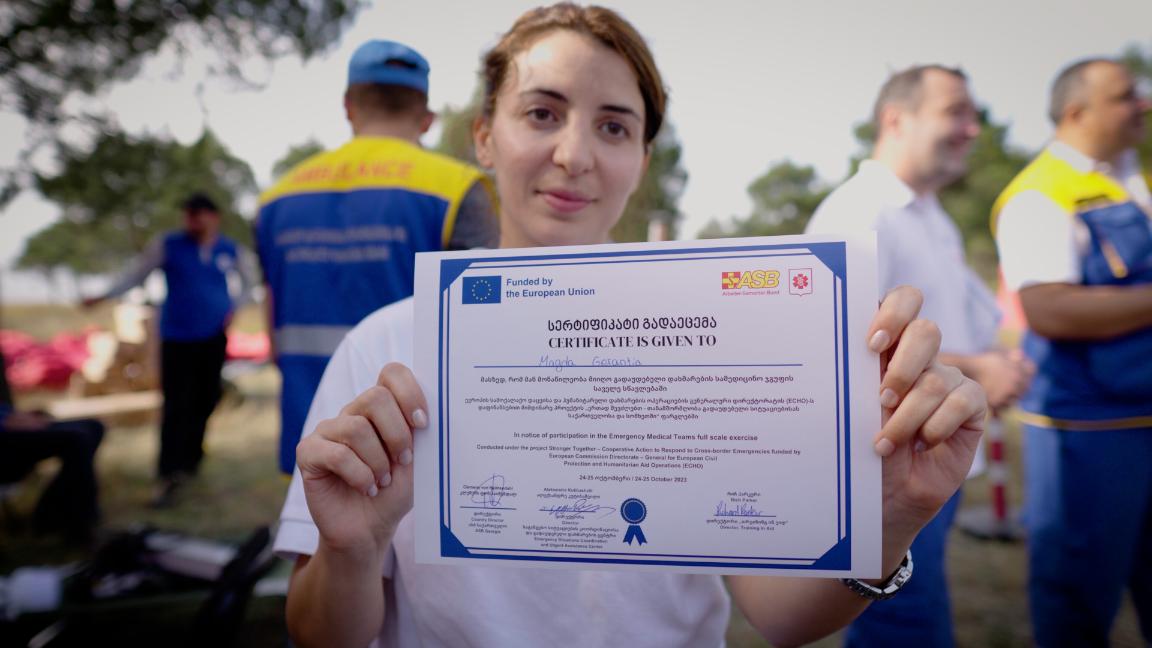
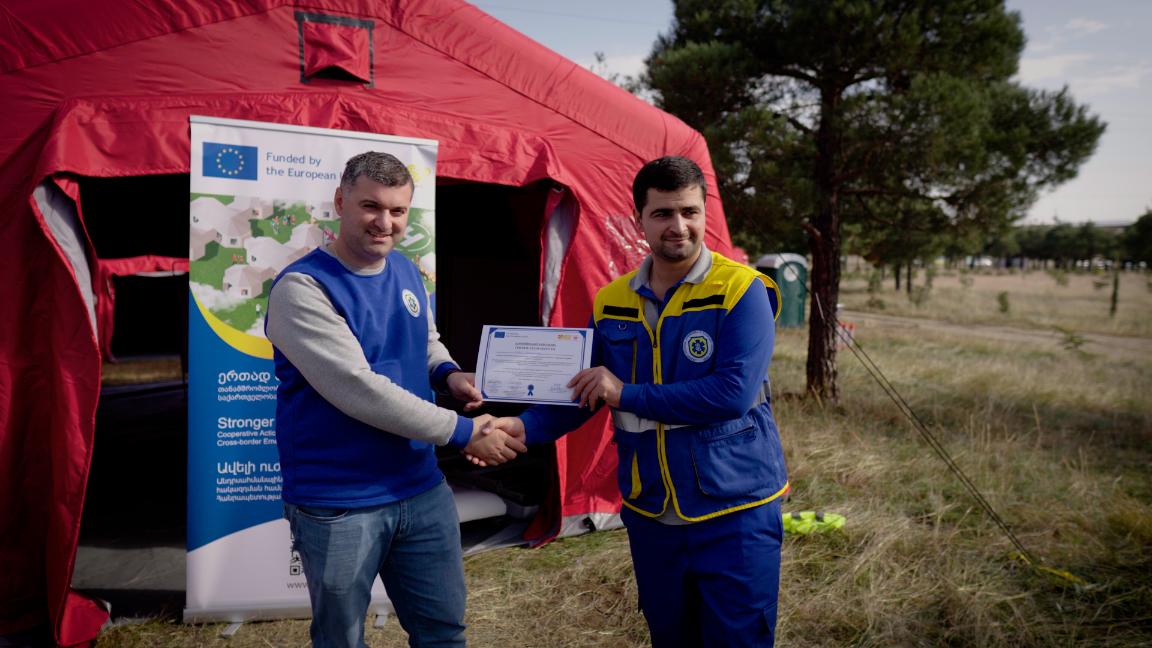
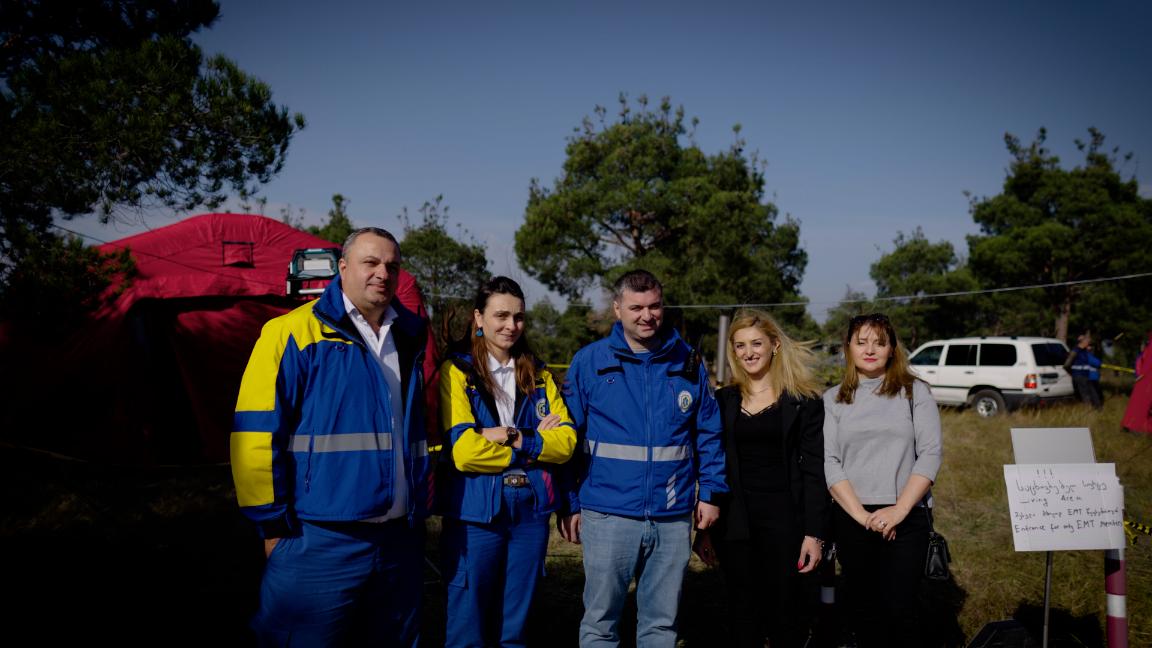
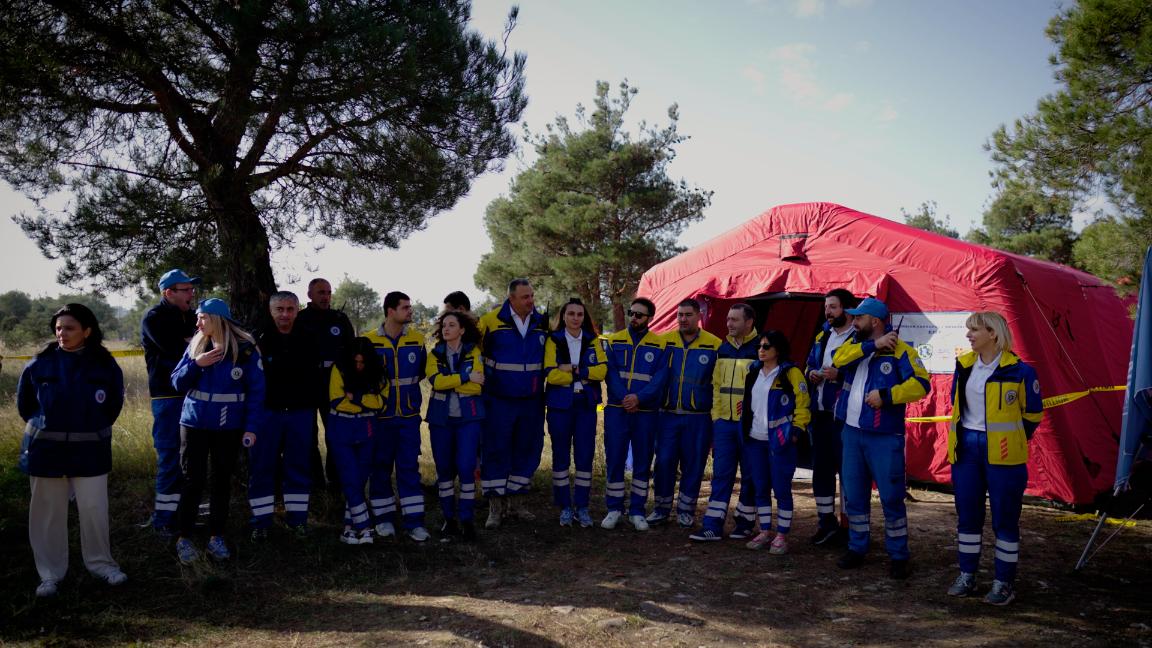
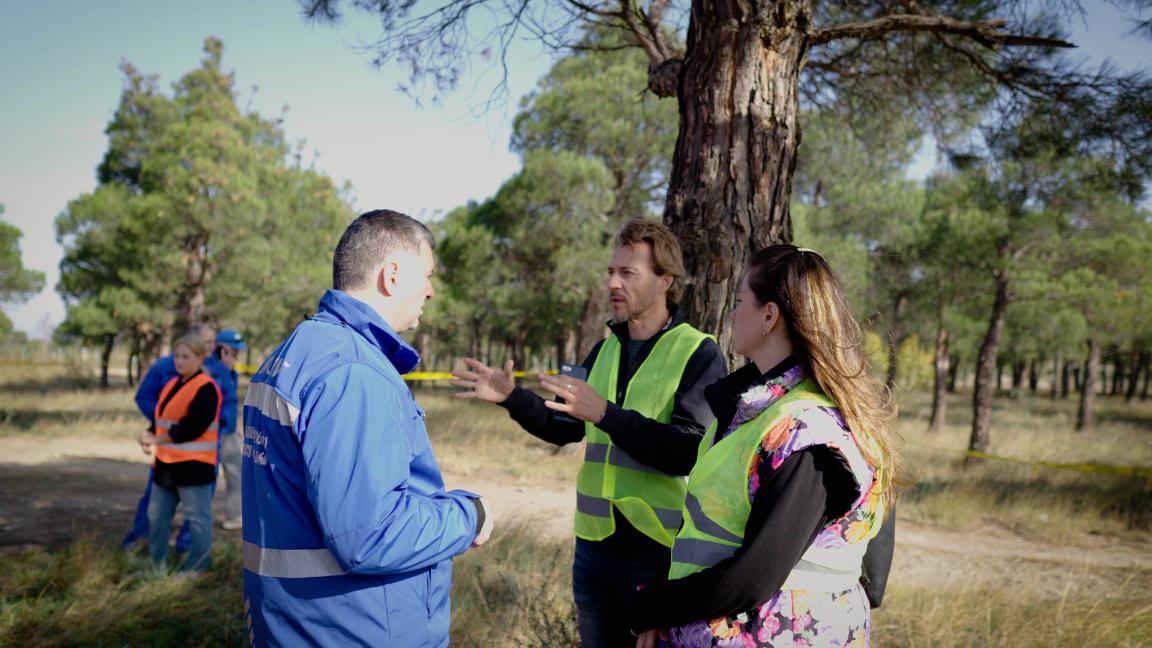
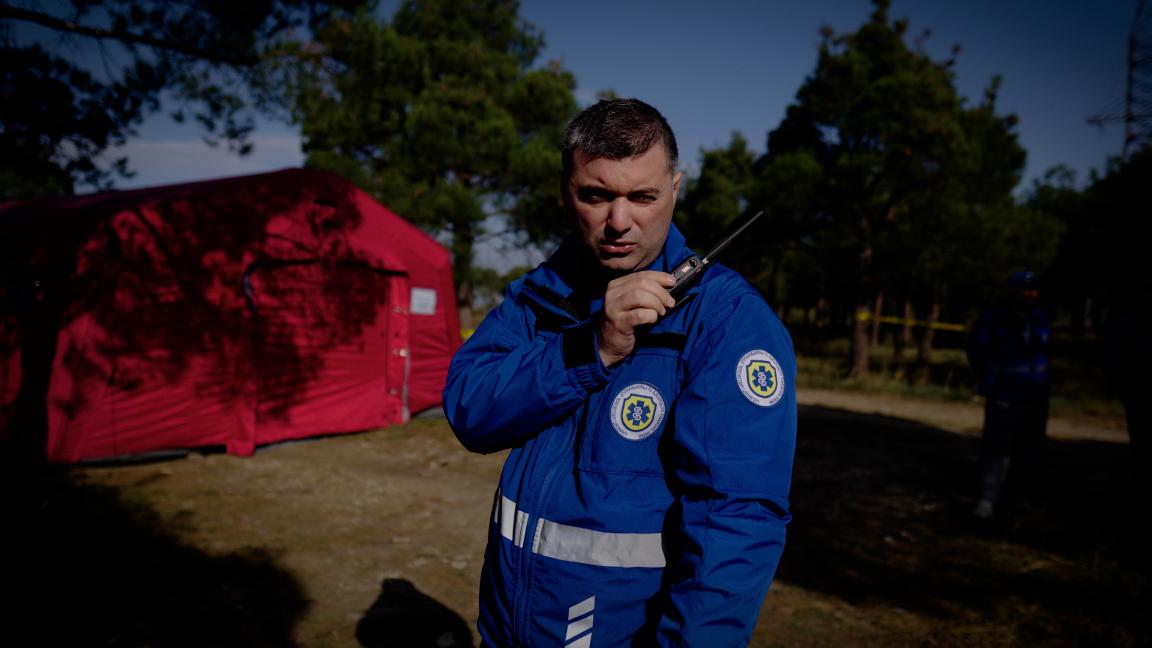
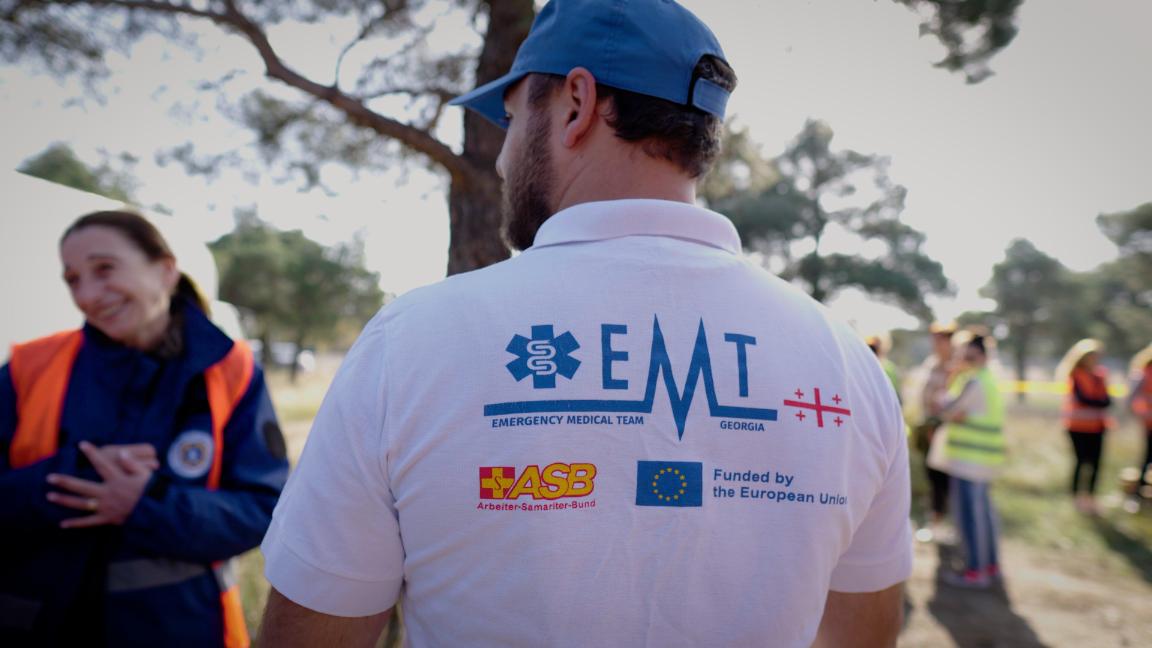
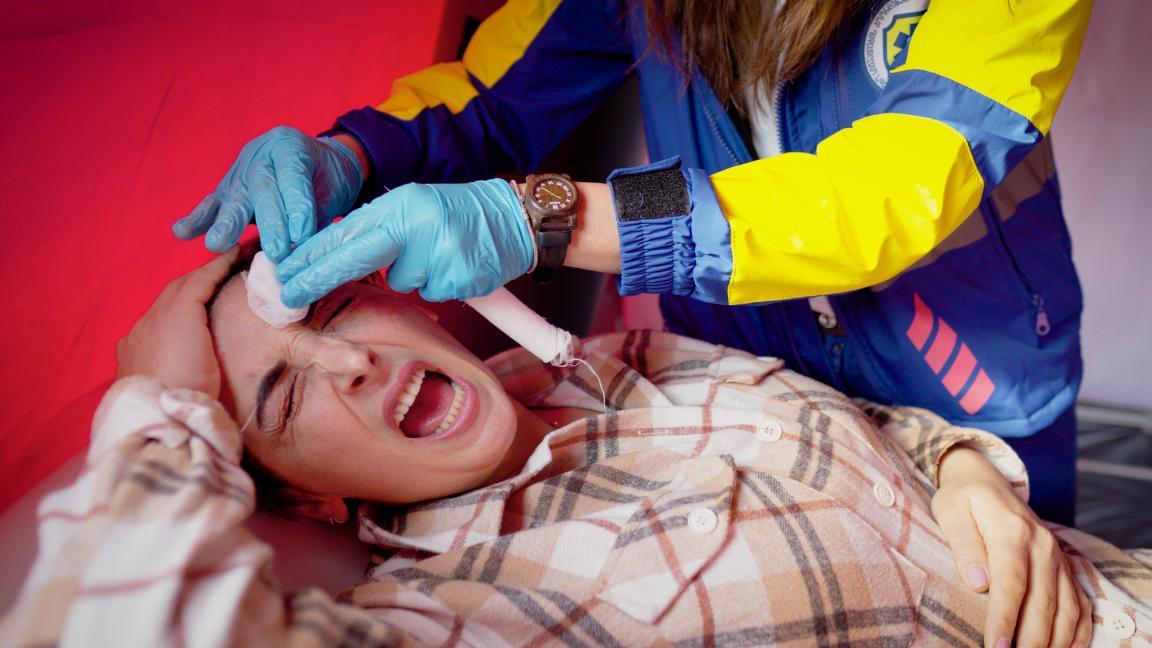
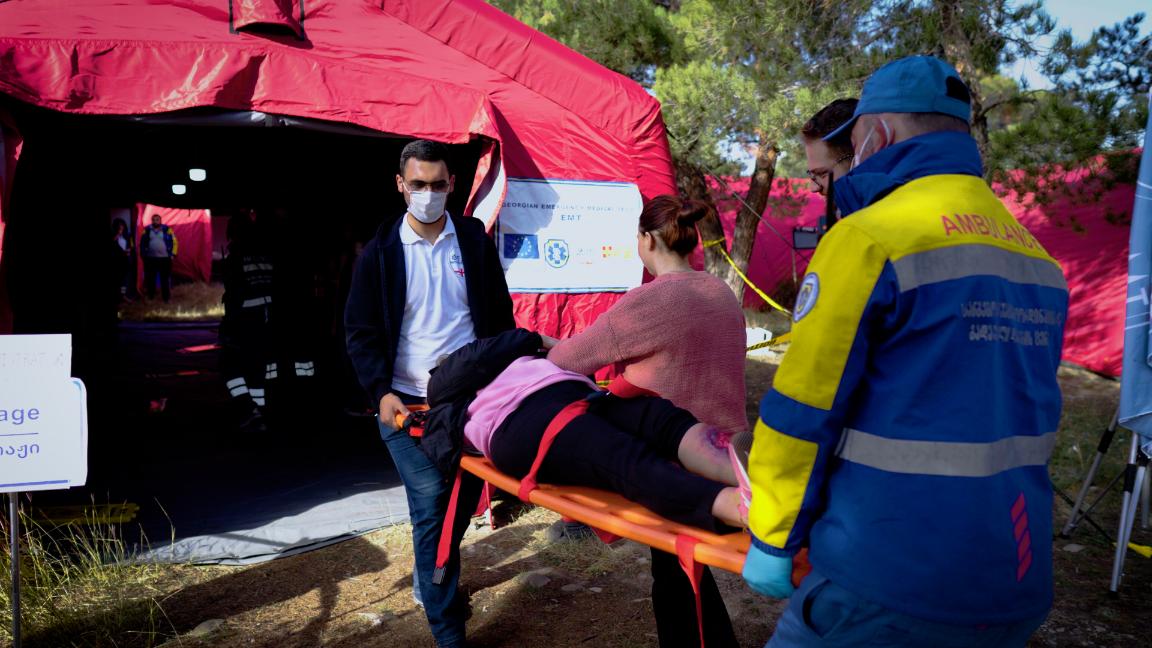
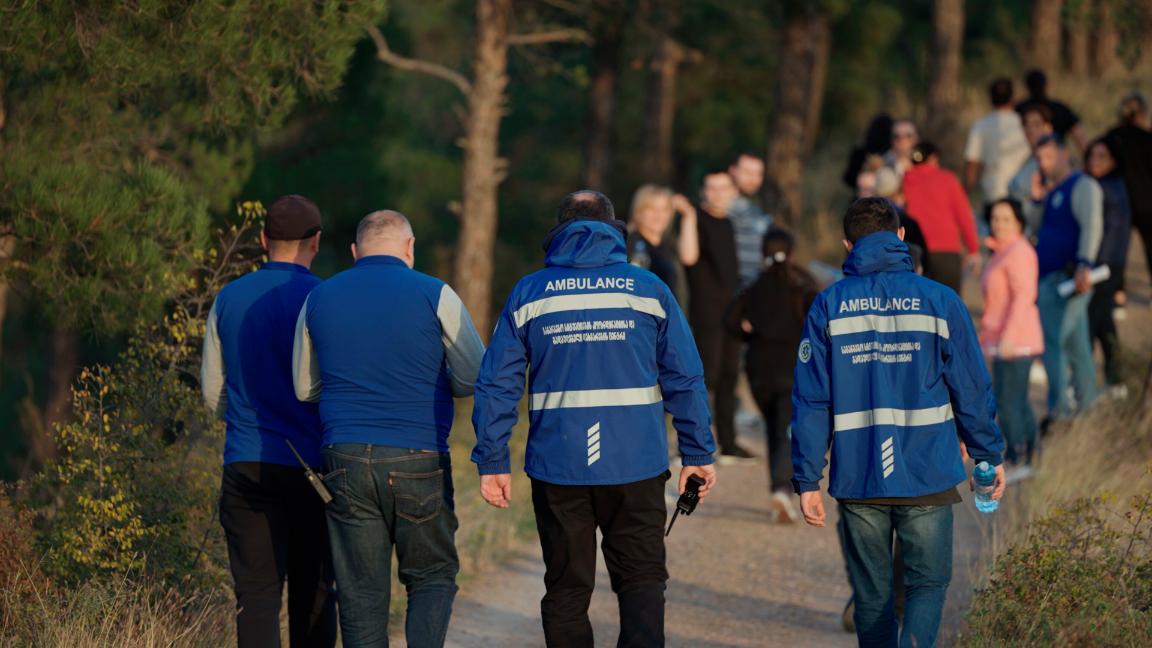
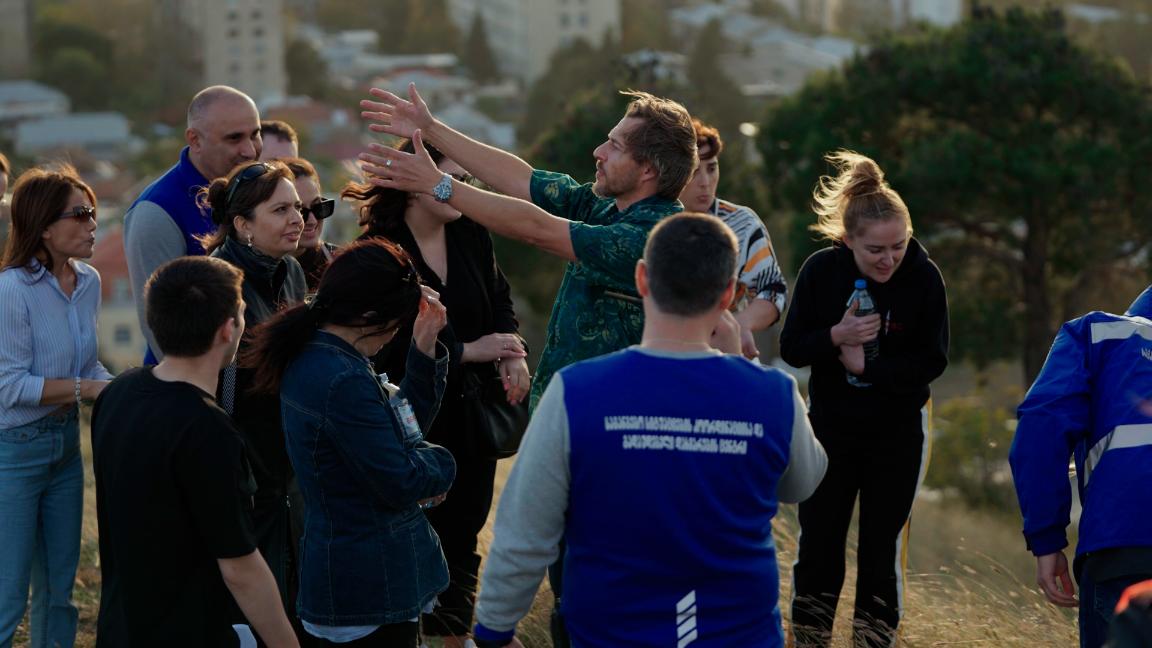
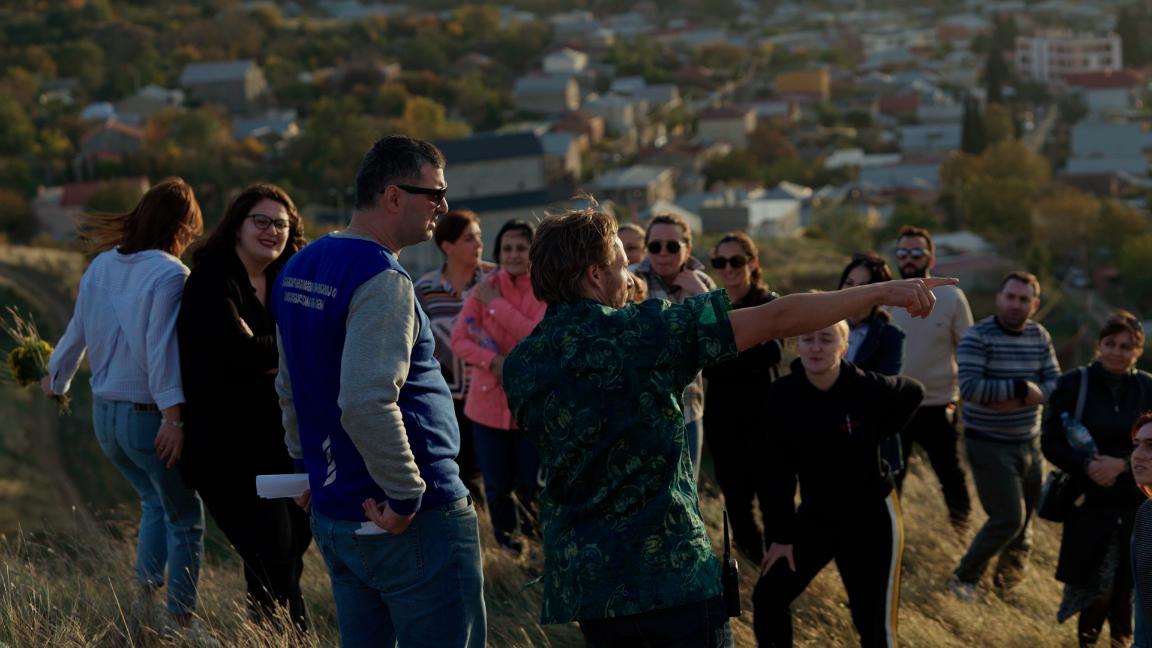
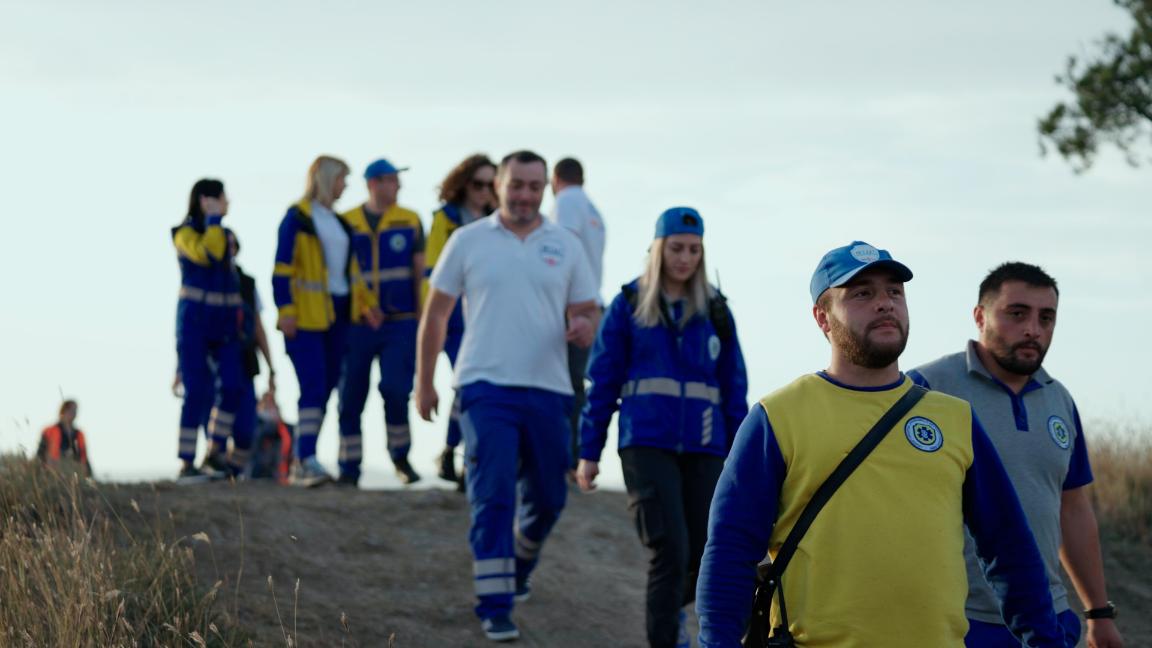
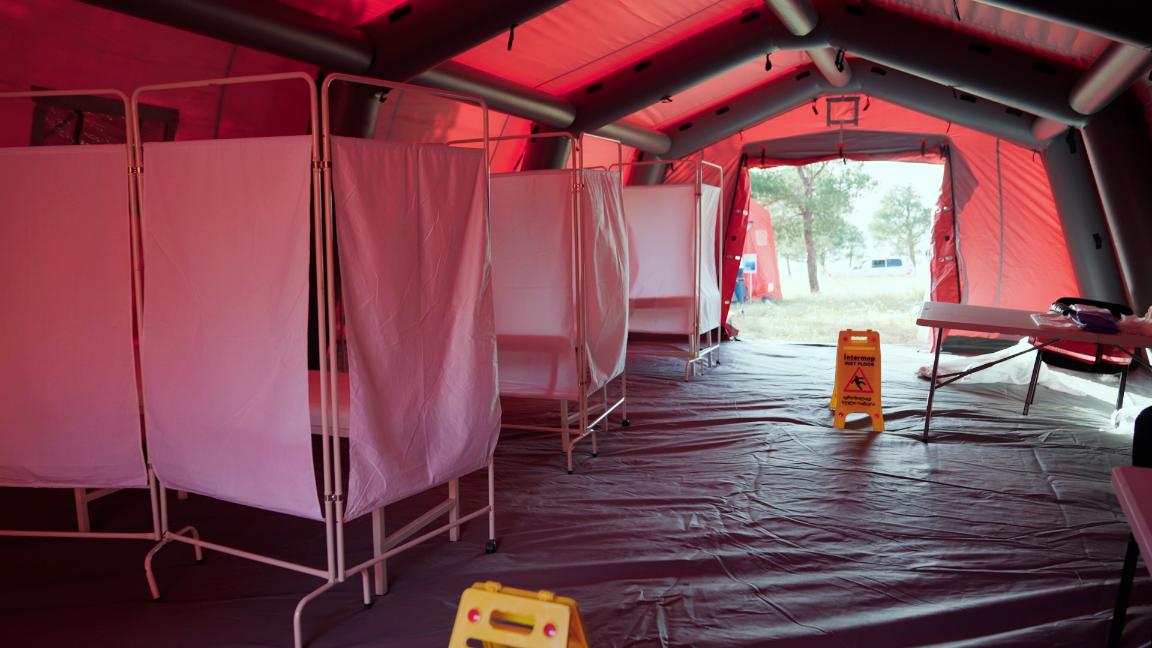
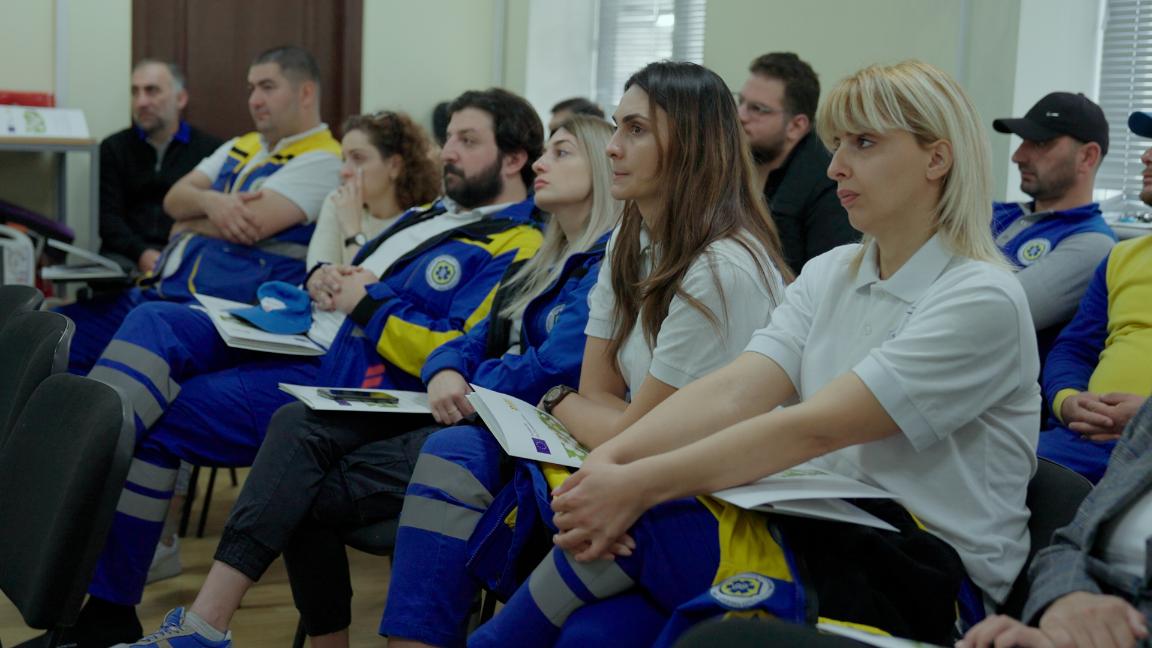
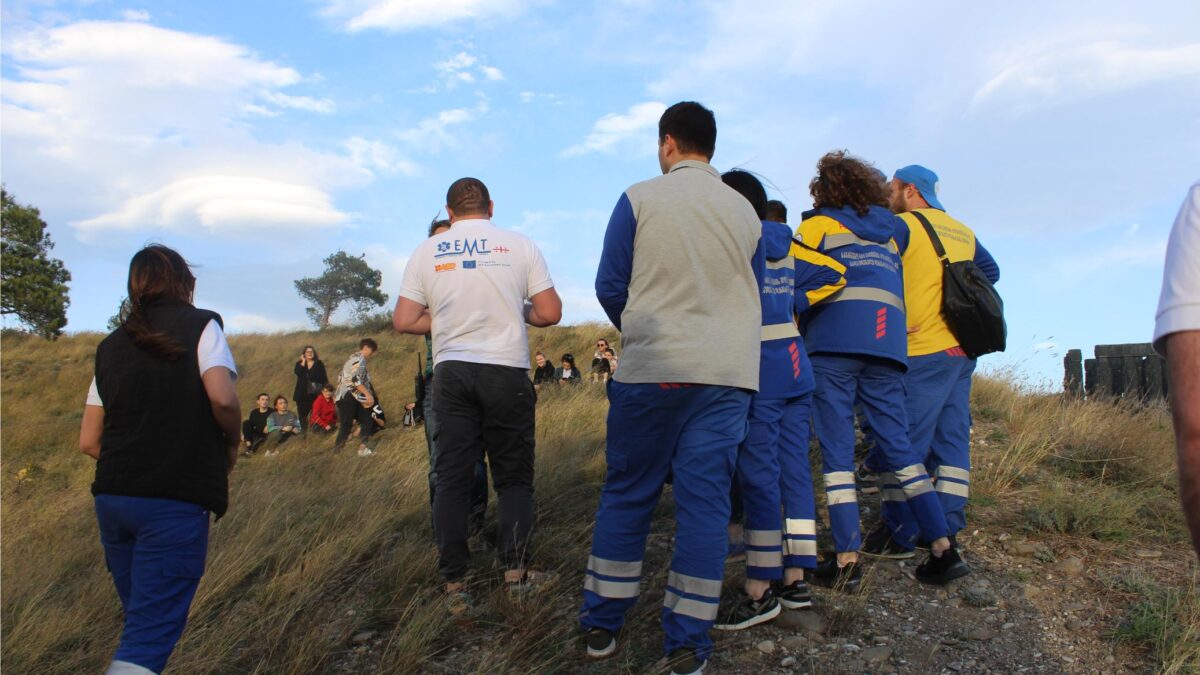
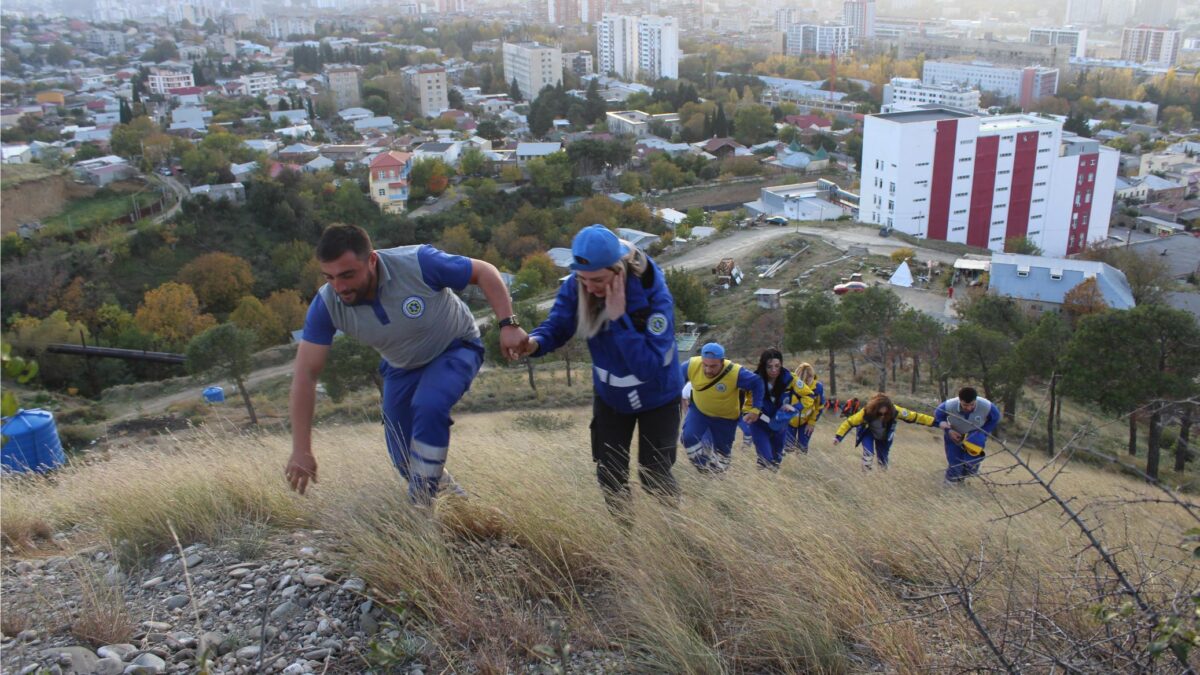
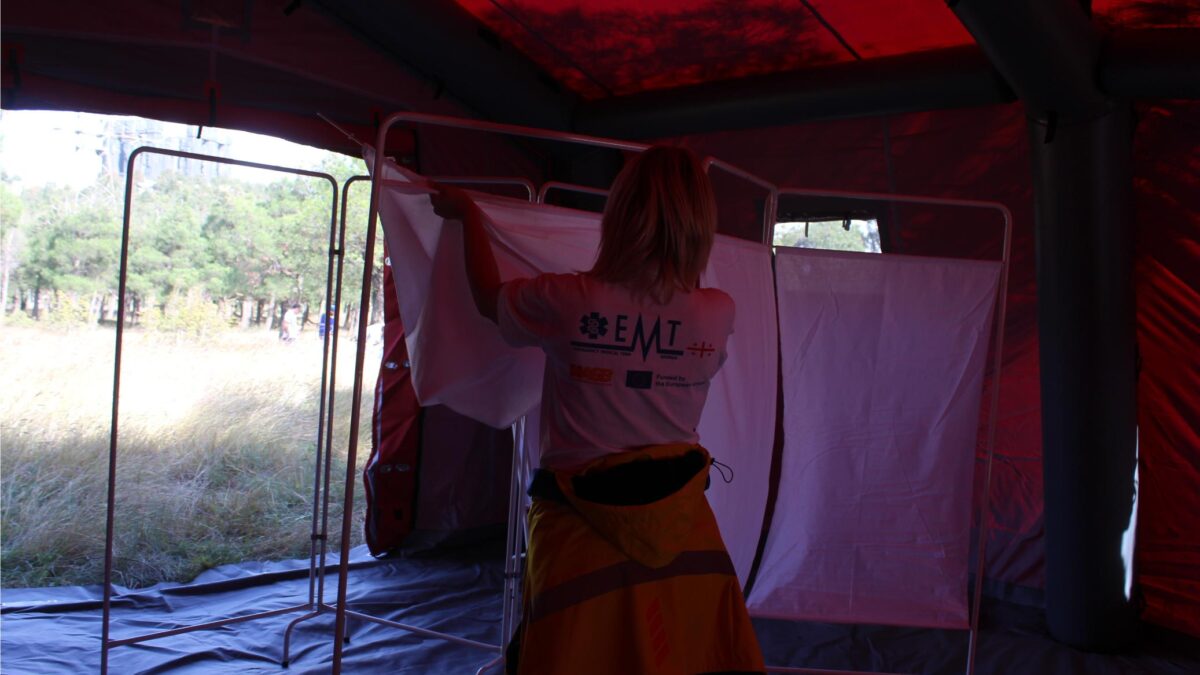
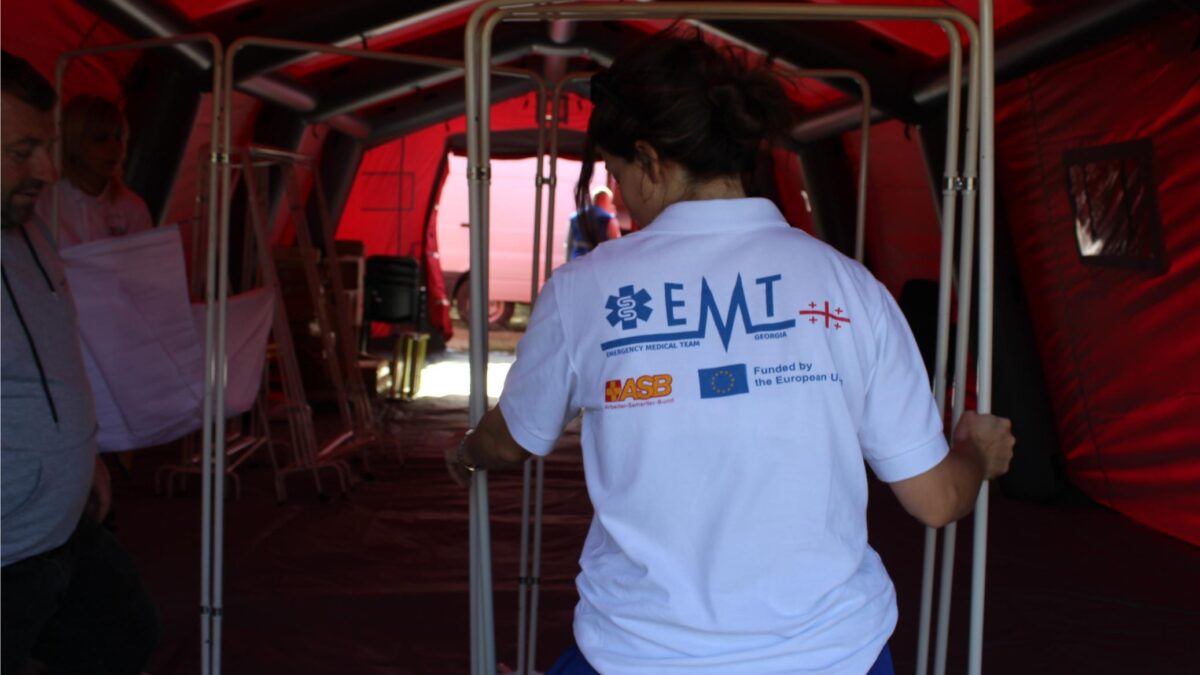
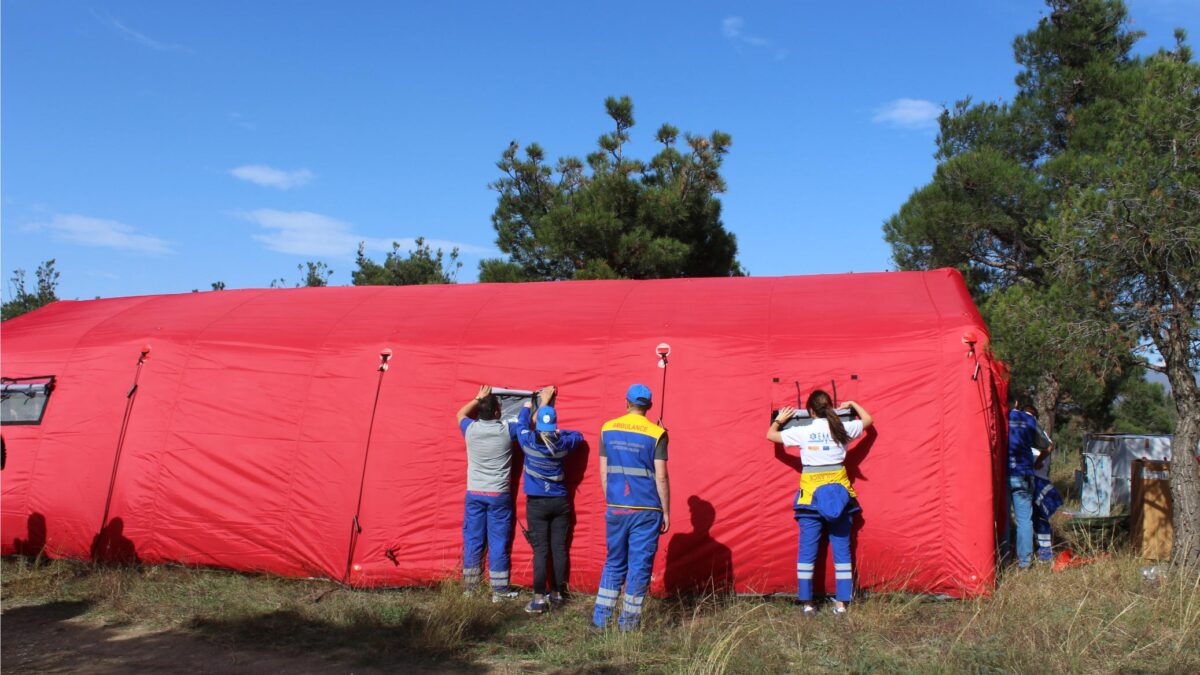
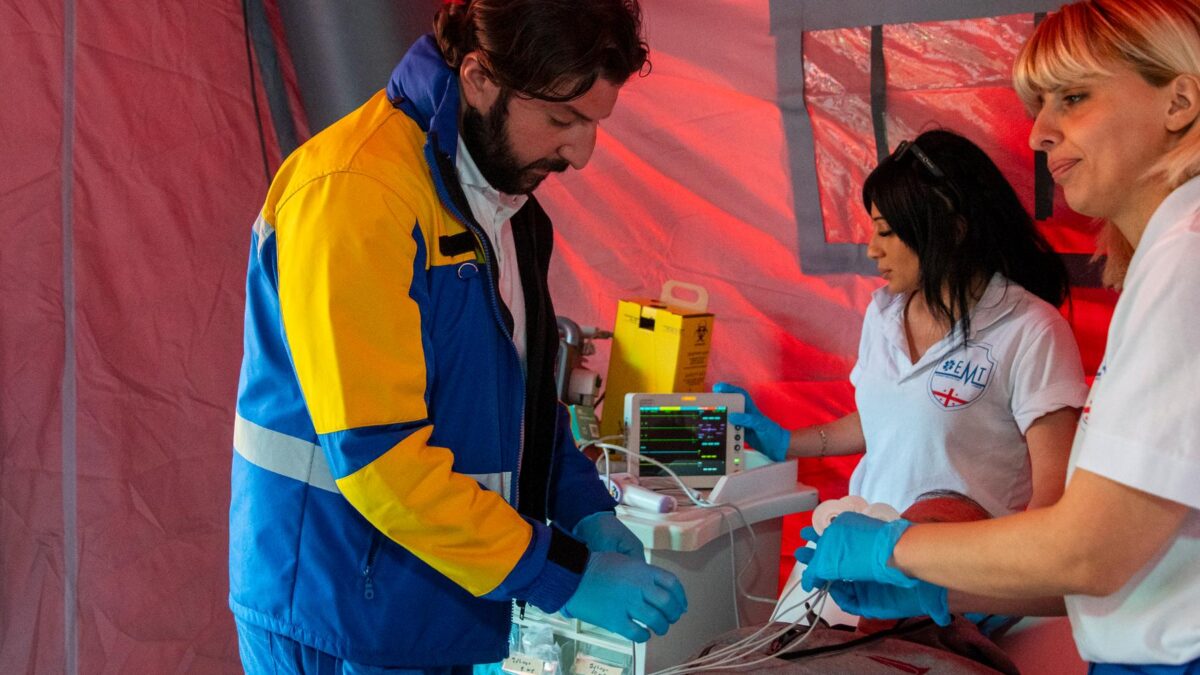
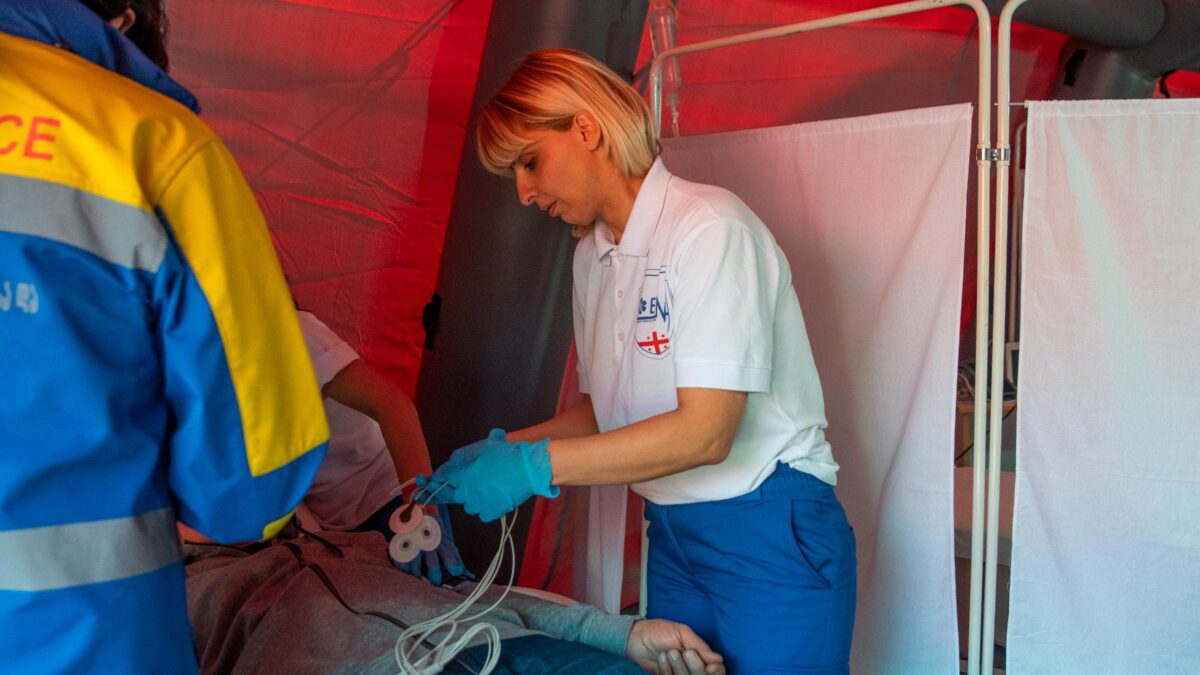
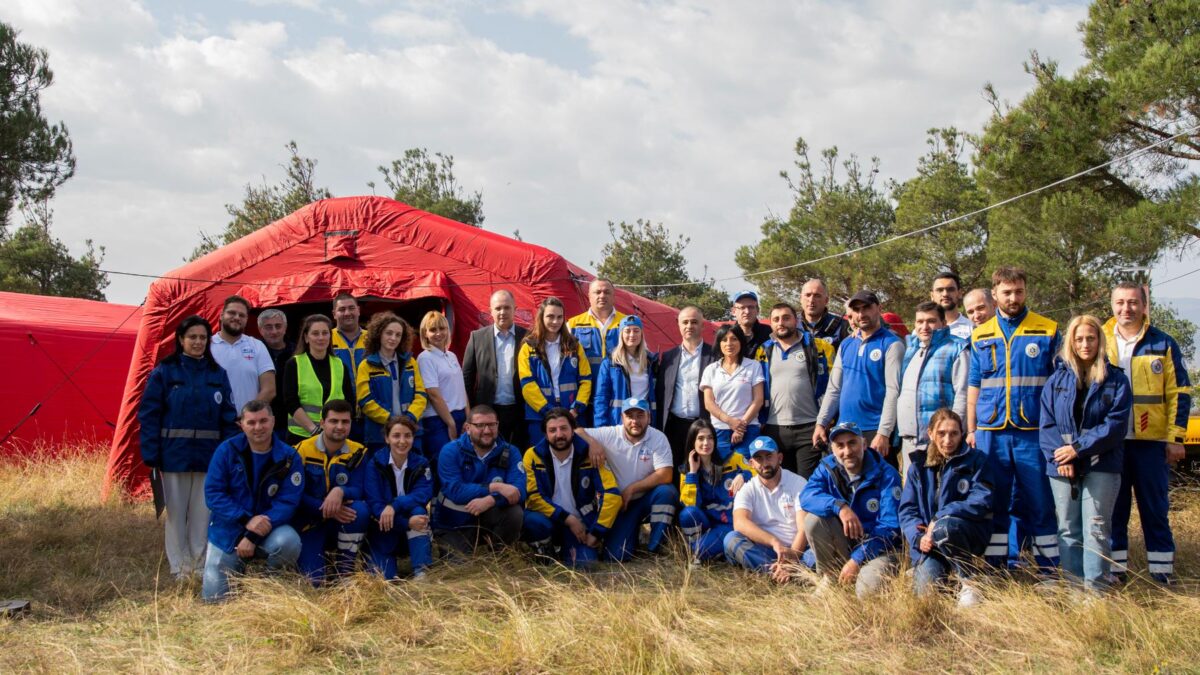
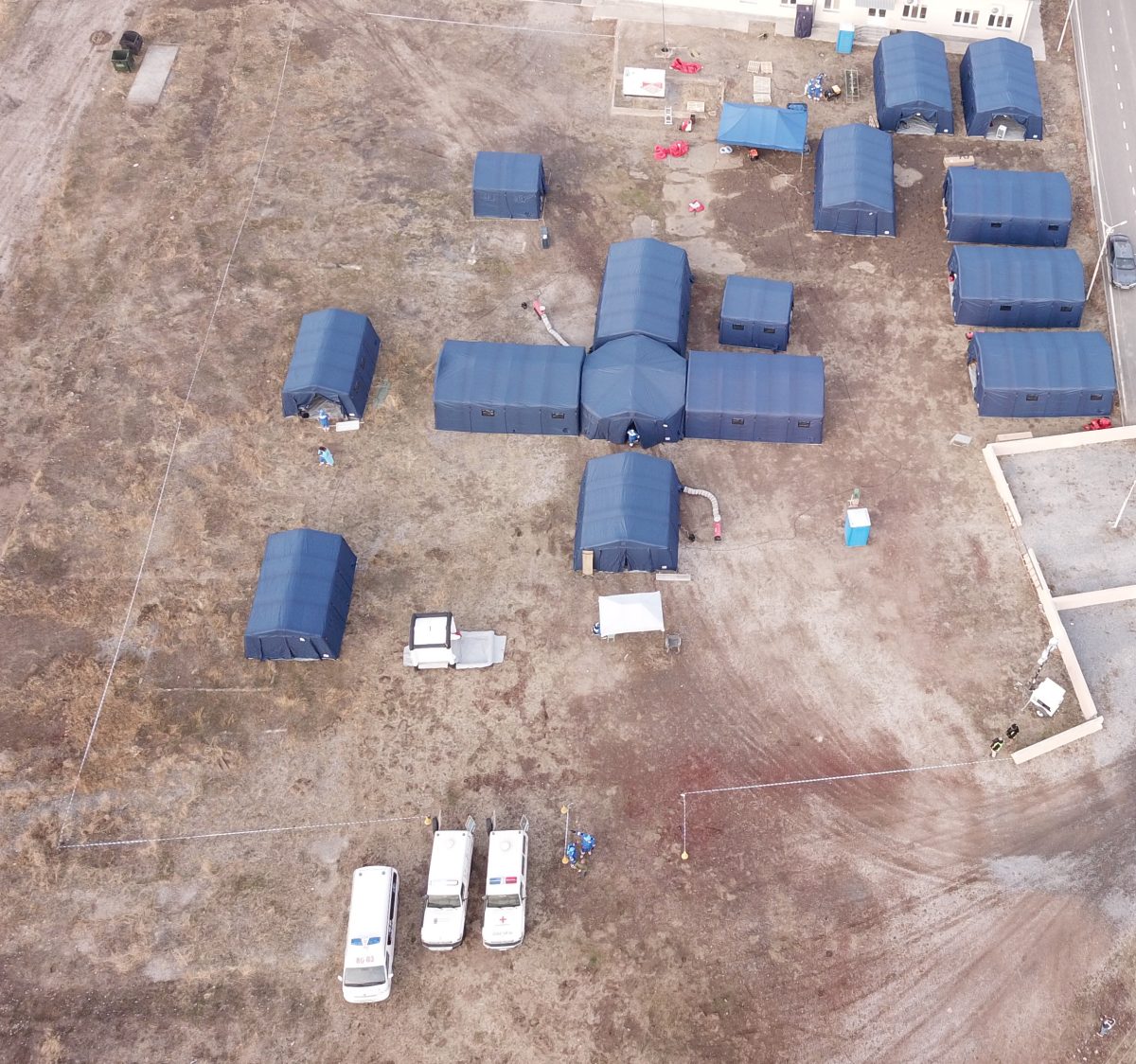
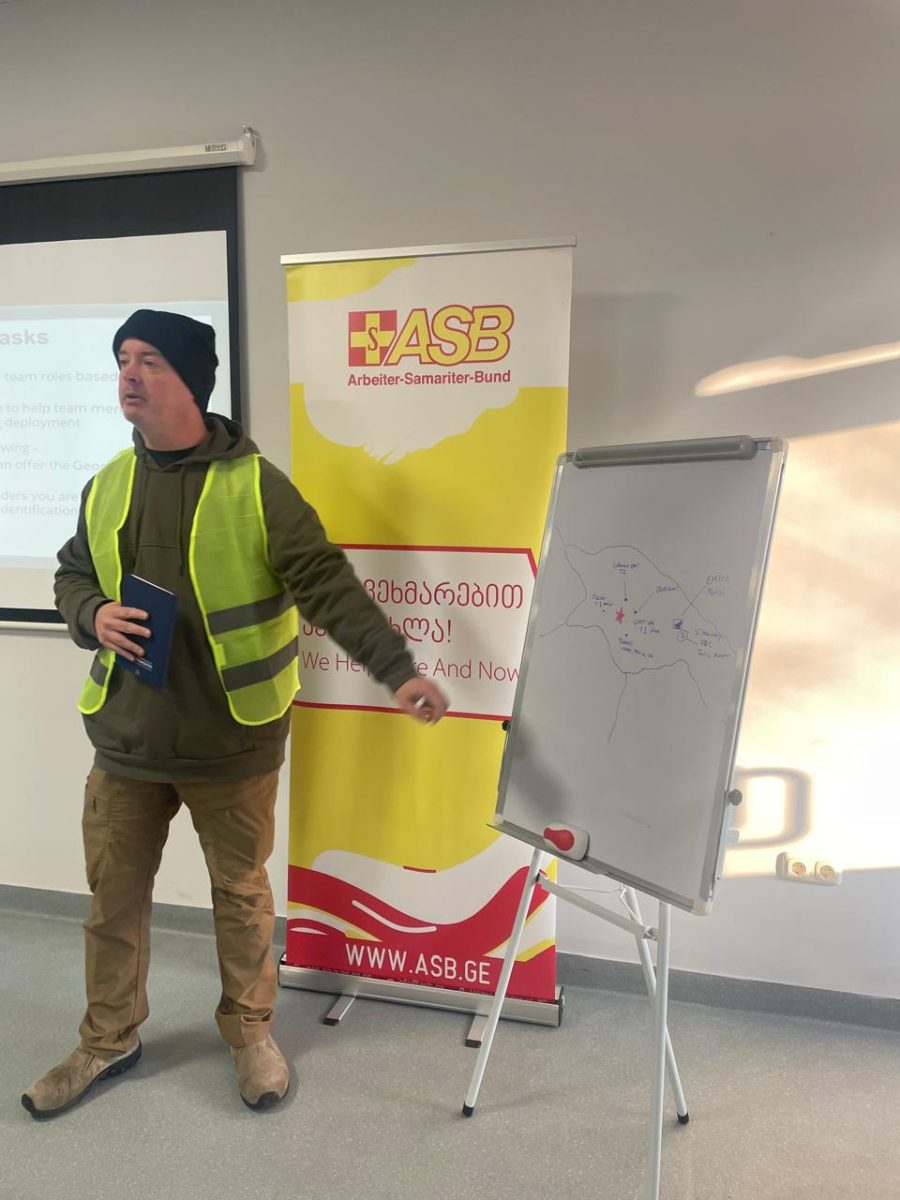
On October 24-25, 2023 field exercise was conducted. The Georgia FSX uses a major earthquake scenario in Manila, Philippines, as the backdrop for all simulation activities. It presents a realistic and challenging application of a “mini deployment life cycle” as part of an international mission appropriate for Georgia EMT’s Type 1 (fixed) capability. In addition to clinical operations, the scenario incorporates a focus on public health issues and requires participants to contextualize their actions to fit a complex, multi-cultural and multi-layered operational environment. The exercise control team provided details of the scenario backdrop to participants as a verbal briefing at the point of exercise insertion. At that stage, participants were also given a map of the affected area and any additional templates/forms as deemed relevant to the exercise.
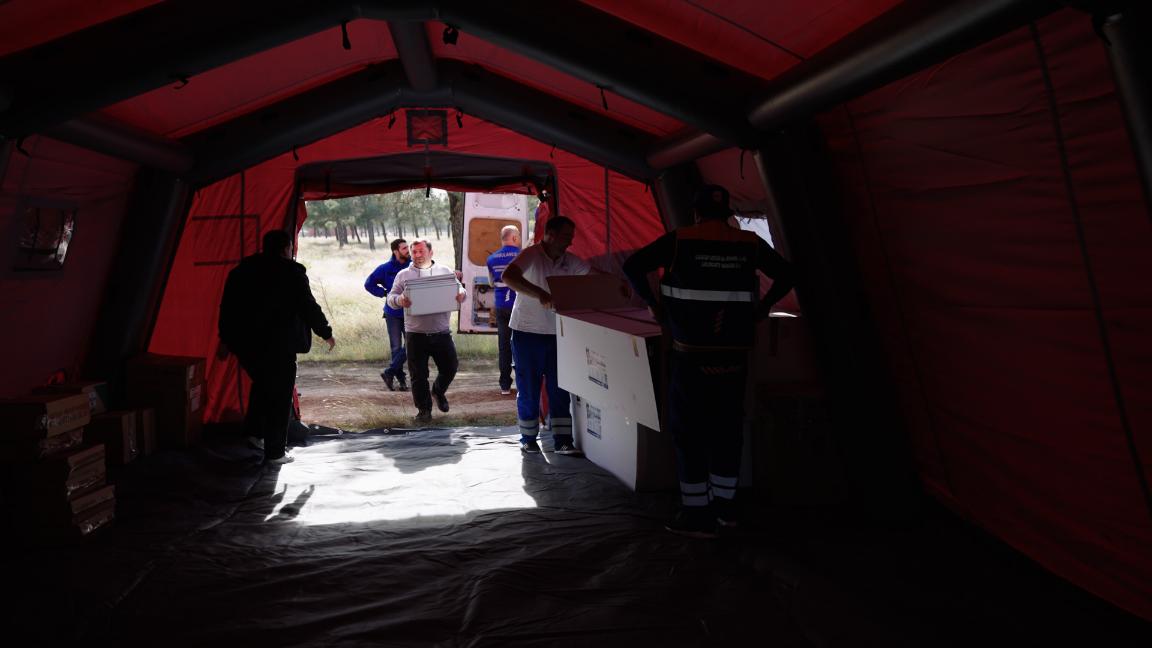
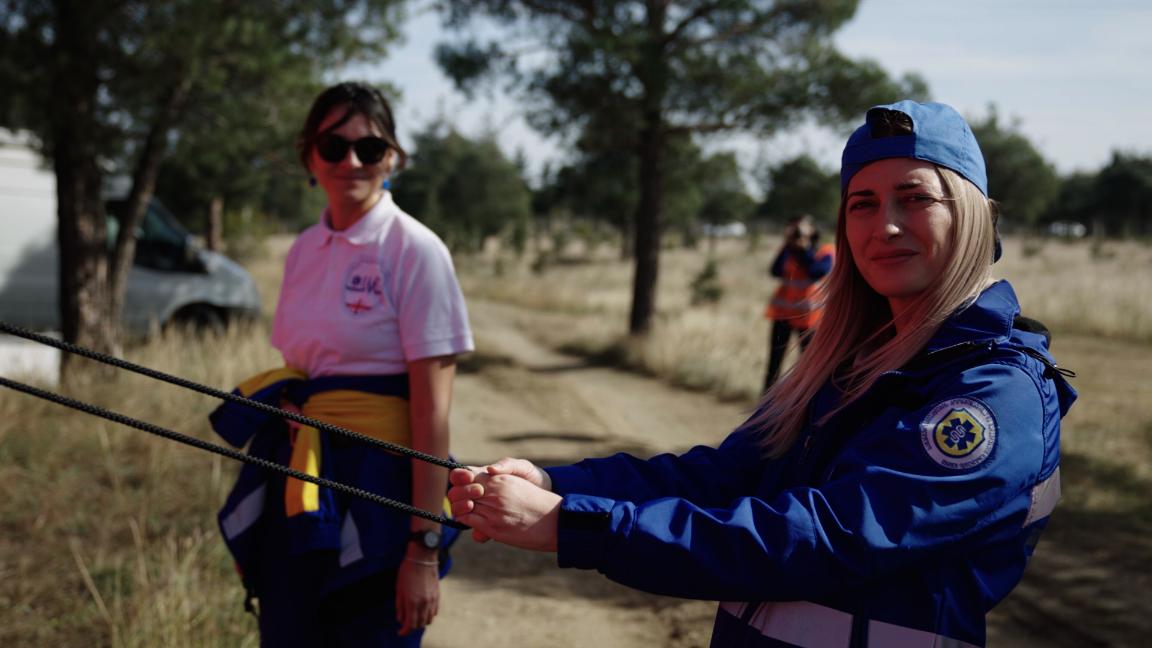
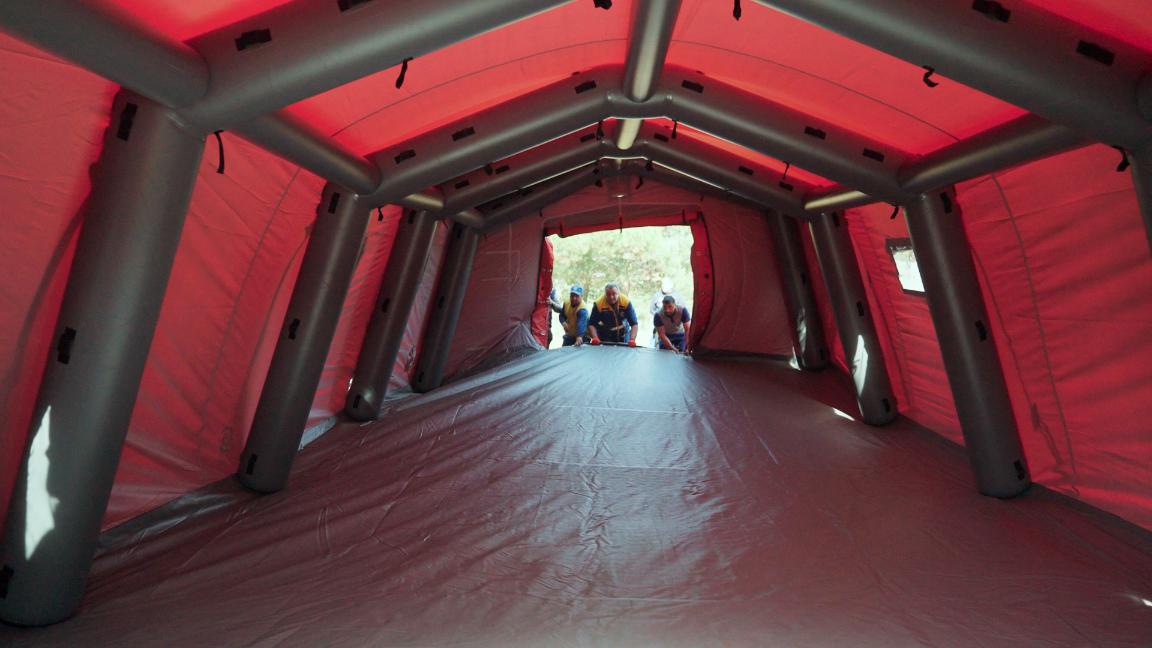
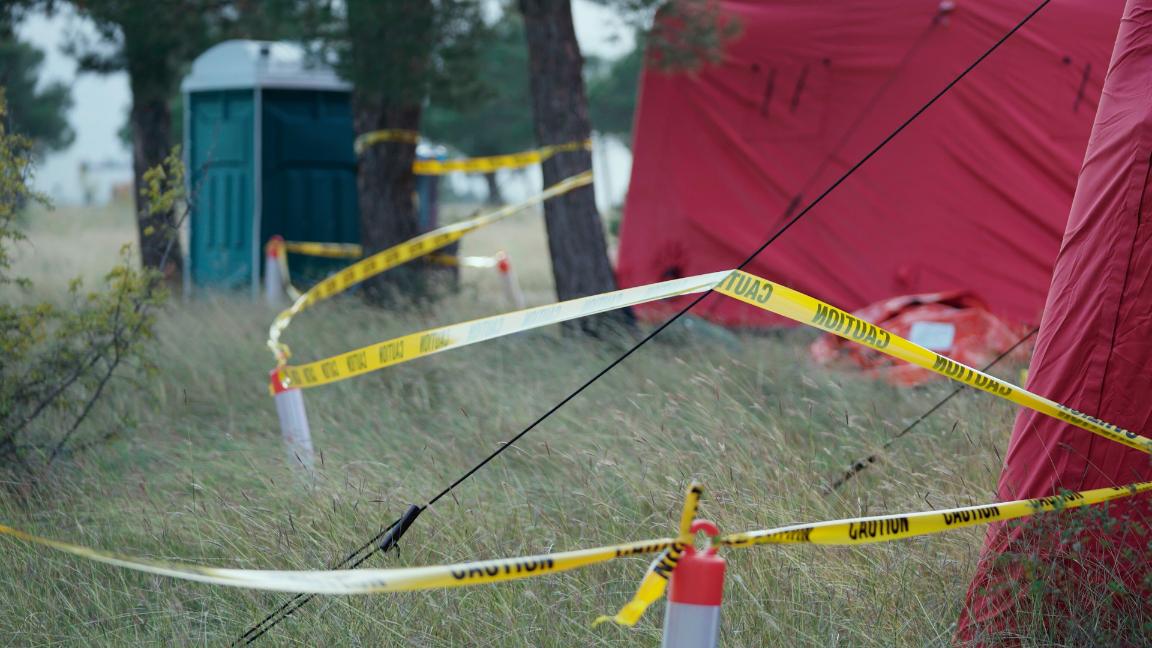
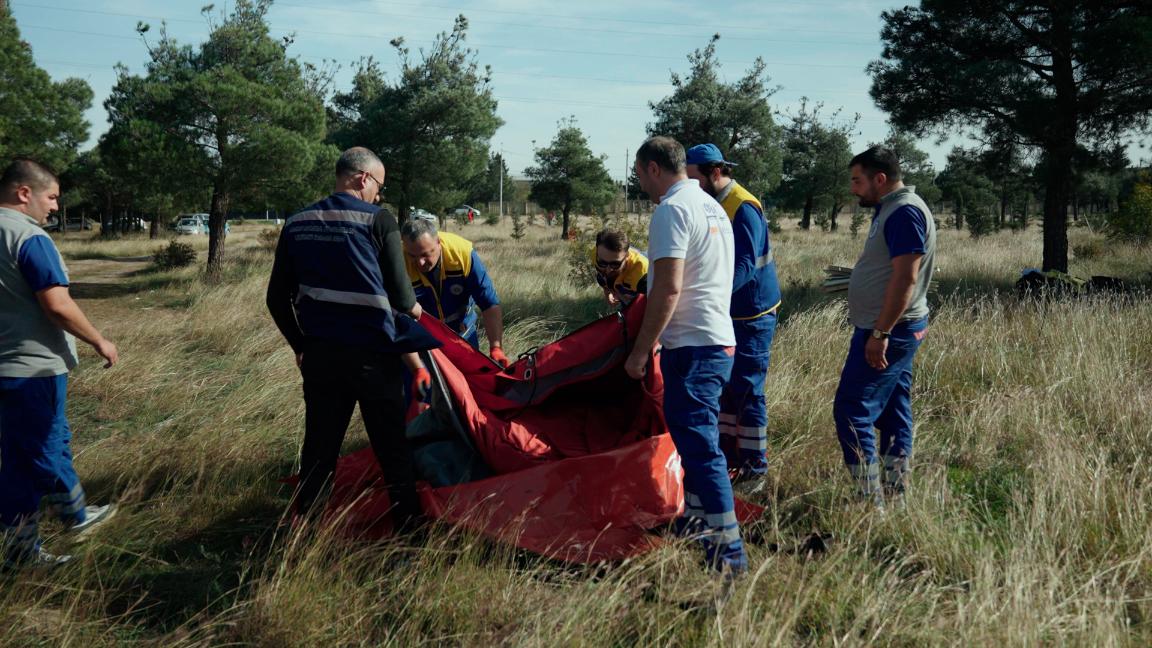
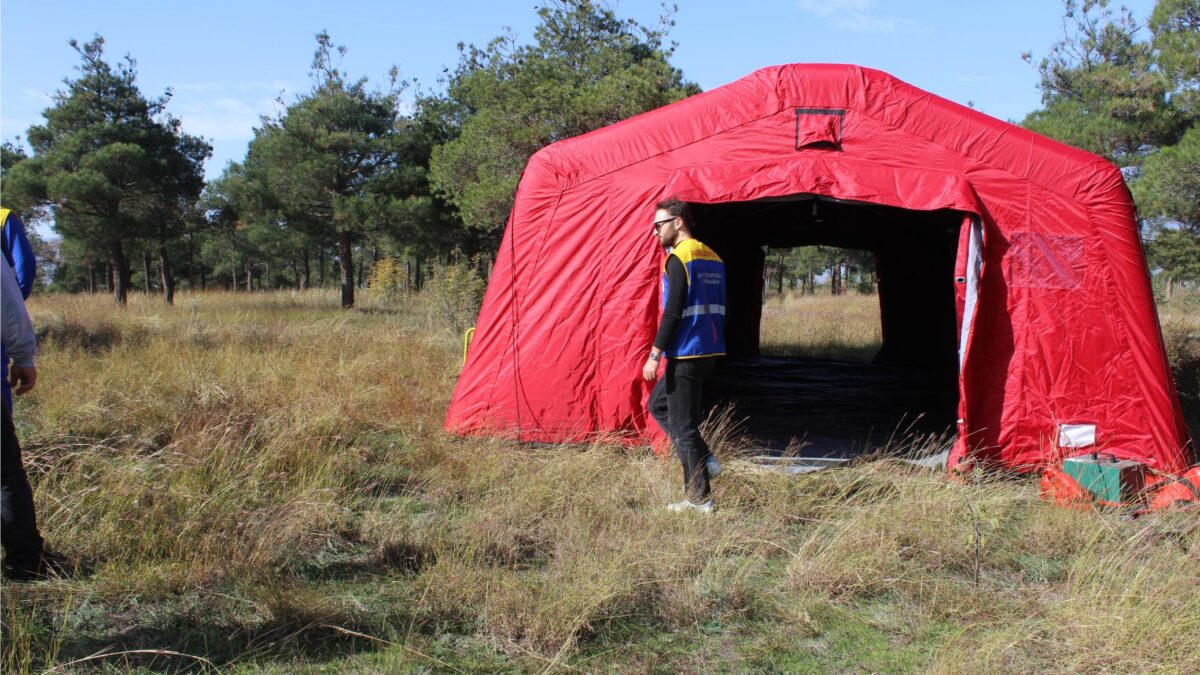
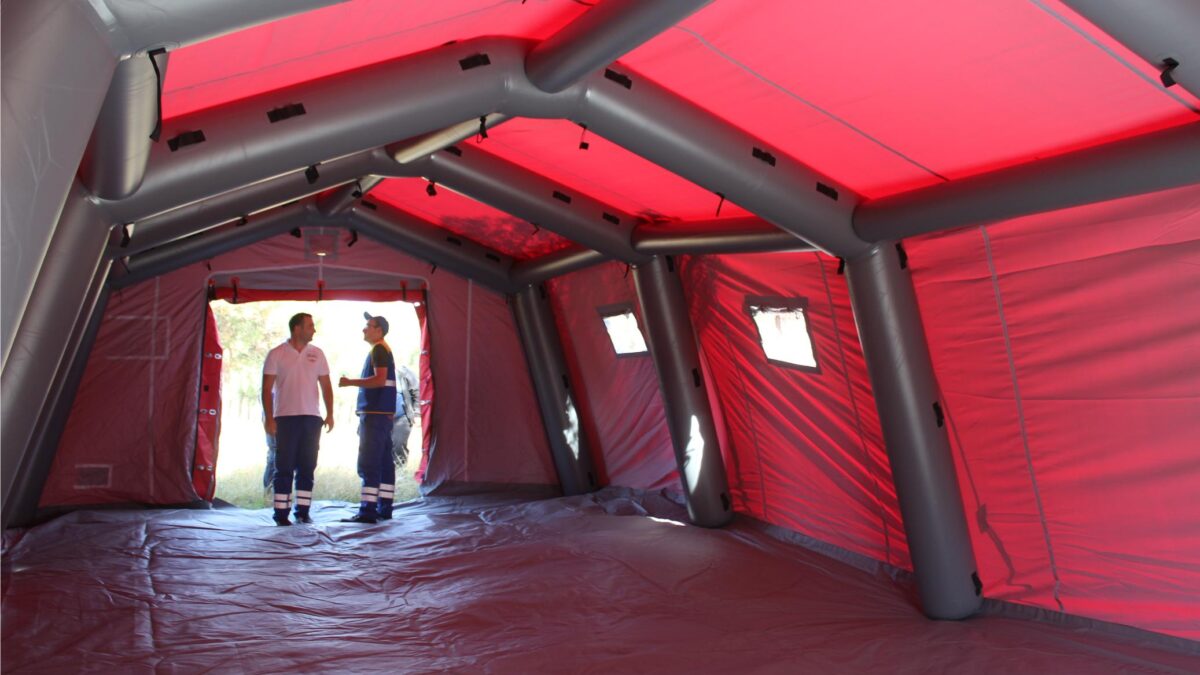
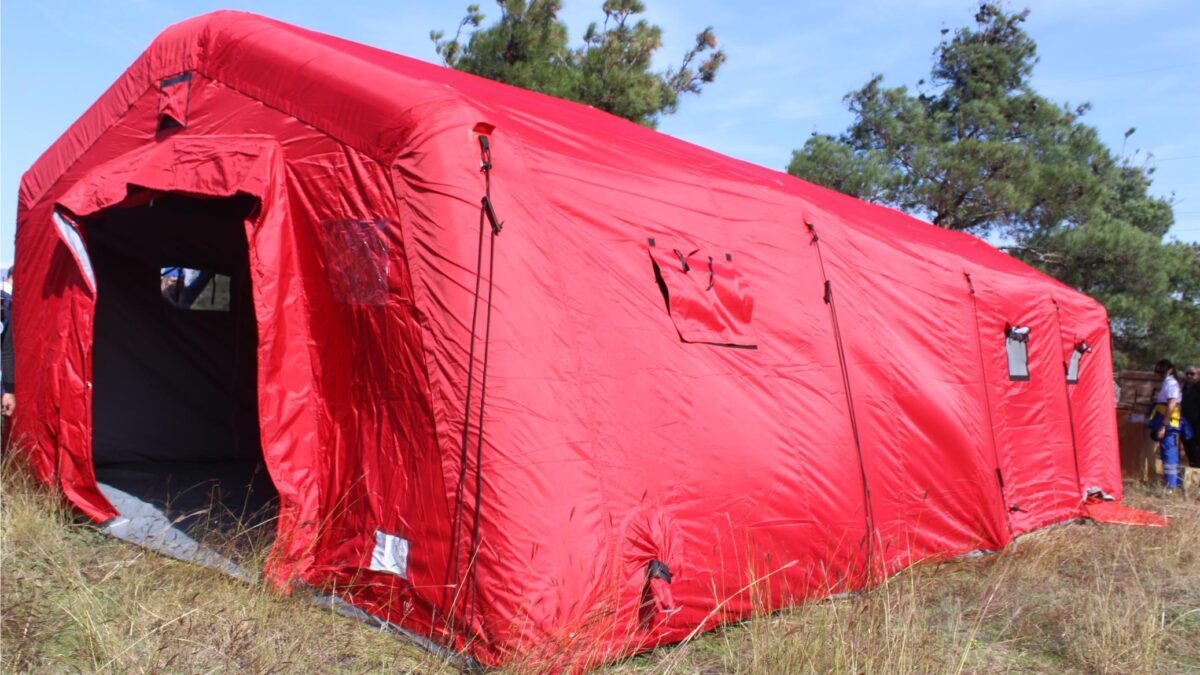
As a result, the participants of the FSX were able to outline the mandated roles of responsibilities of the Georgia EMT in providing assistance to affected communities within a coordinated health emergency landscape; Recognize the individual roles that team members play at each stage of the deployment life-cycle in support of the Georgia Team’s internal organization and collective operations; Apply effective interpersonal and communication skills in dealing with colleagues and other actors; Apply individual and team-level strategies for managing safety and security risks relevant to Georgia Team deployments in austere or uncertain environments; Describe strategies to manage uncertainty and maintain public trust even with limited or unconfirmed information; Explain how to use effective risk communication plans and strategies in response to media and social media demands; Commit to the value of teamwork, collaboration and adaptability when engaged in EMT deployment contexts; Reflect on individual strengths and points for development as a potential EMT roster member; Set-up, operate, maintain and pack down EMT field equipment as it would be used during deployment.
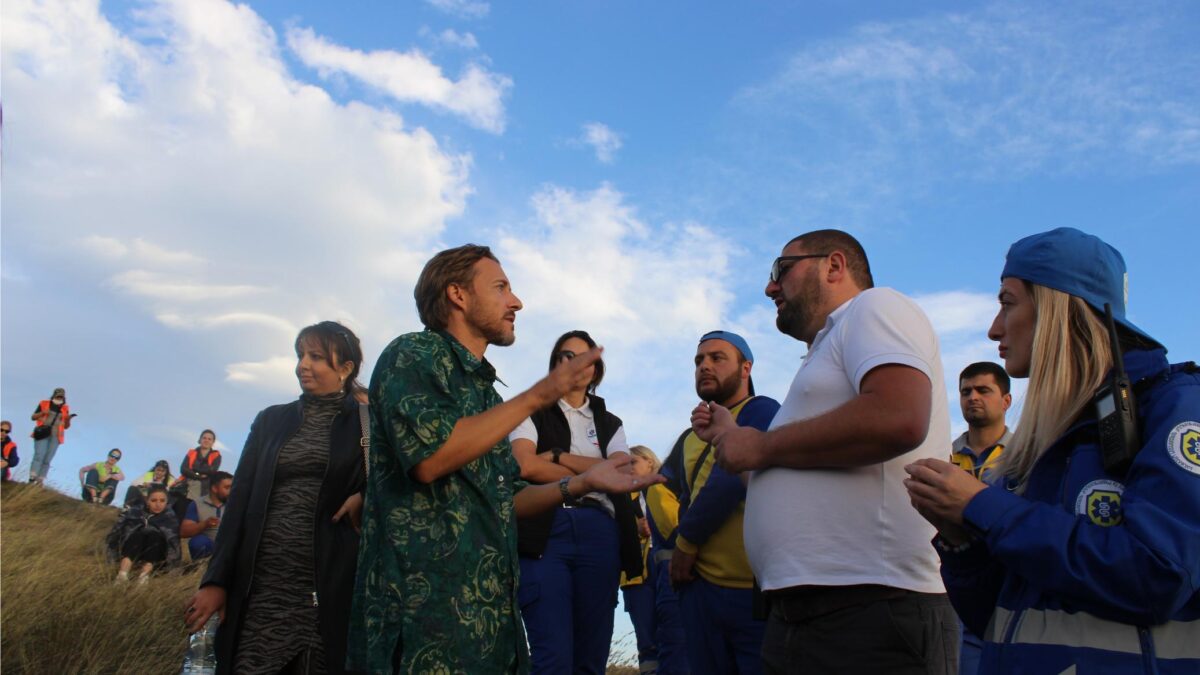
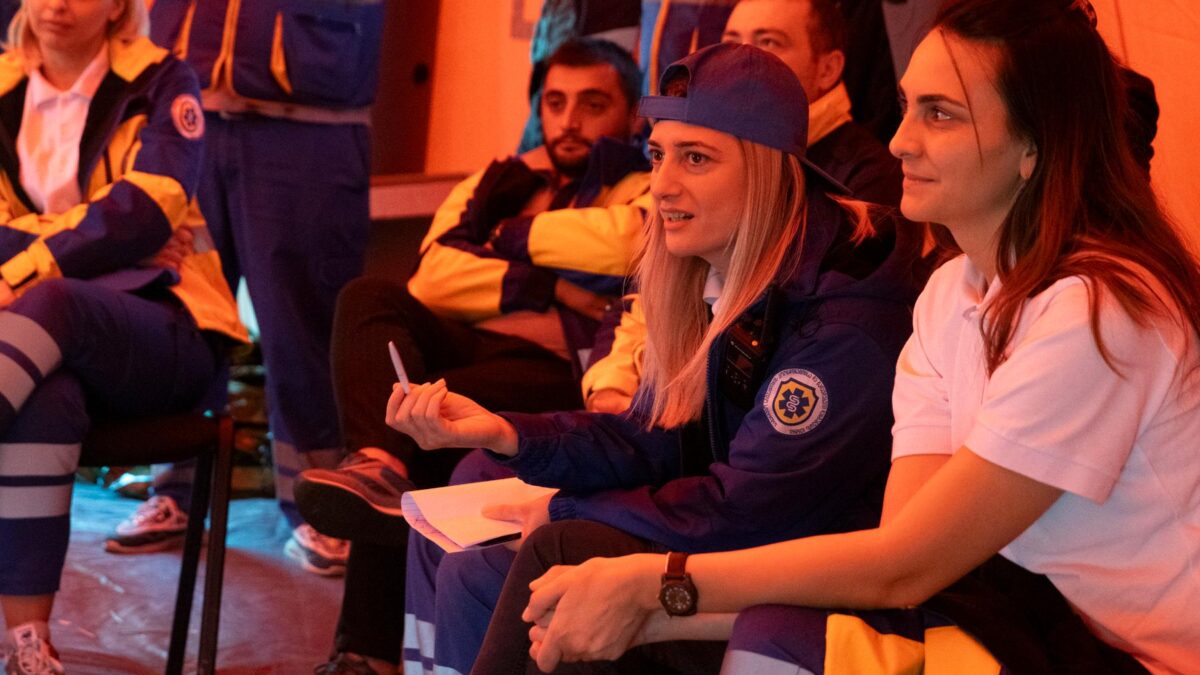
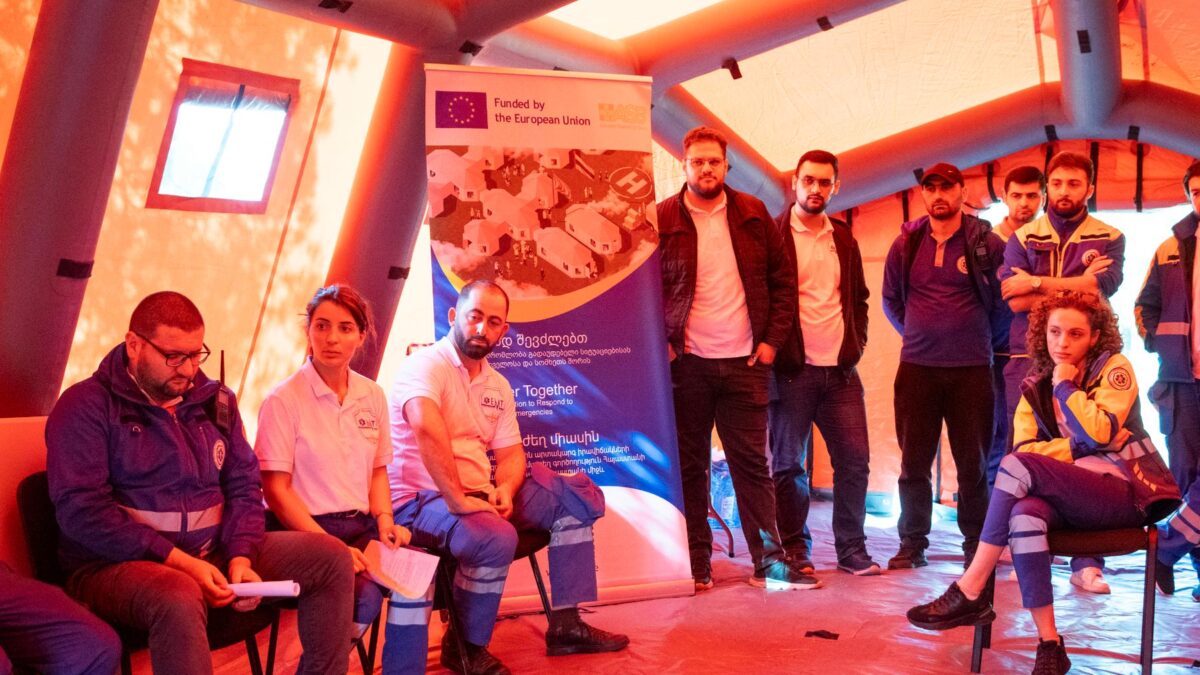
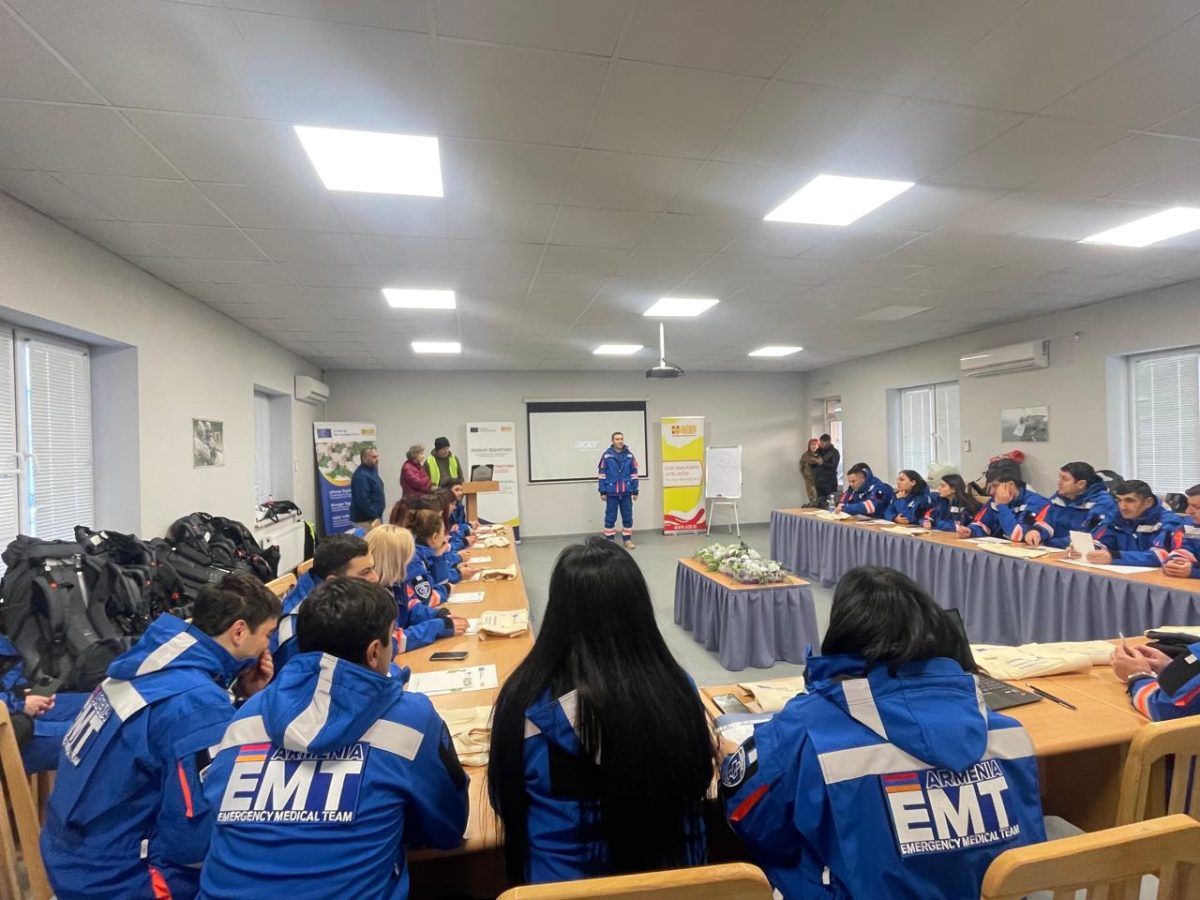
Following each activity, the lessons learned sessions were conducted to identify the main challenges, lessons learnt as well as discuss recommendations for improvement.
Full-scale exercise – Armenian EMT
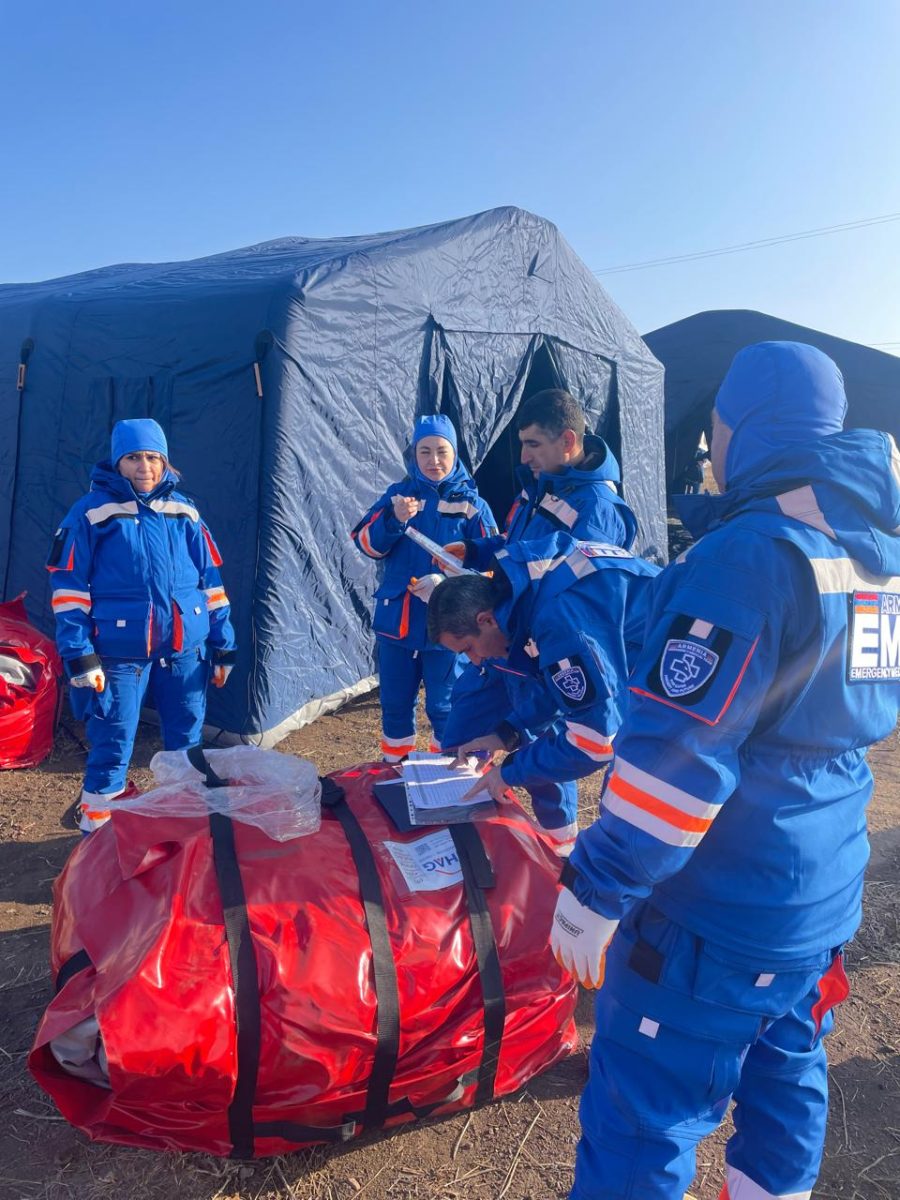
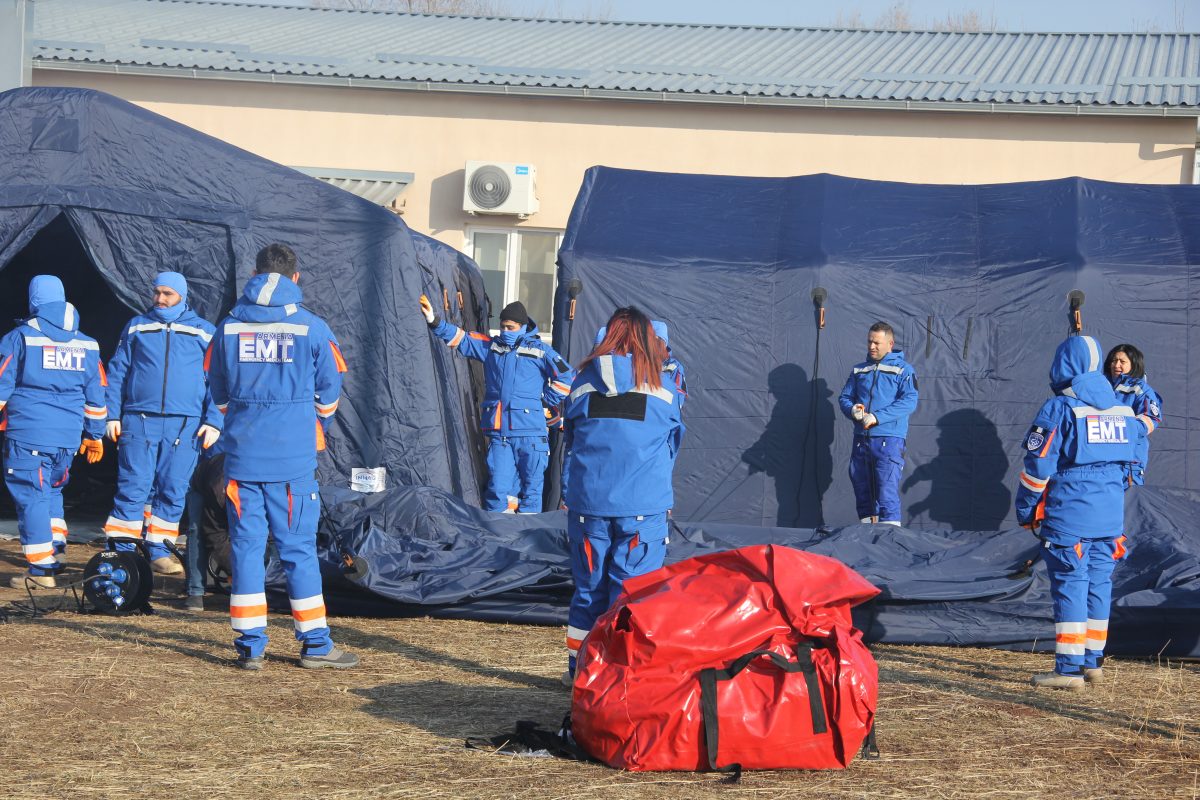
On 18-19 December, 2025, a full-scale Emergency Medical Team (EMT) exercise was conducted in Armenia, bringing together EMT members and key partners to strengthen emergency medical response capacities.
The simulation provided EMT members with the opportunity to apply in practice the skills, standard operating procedures, and knowledge gained during previous EMT training activities. The exercise was designed as a realistic operational scenario based on a major earthquake affecting Georgia, requiring international emergency response support.
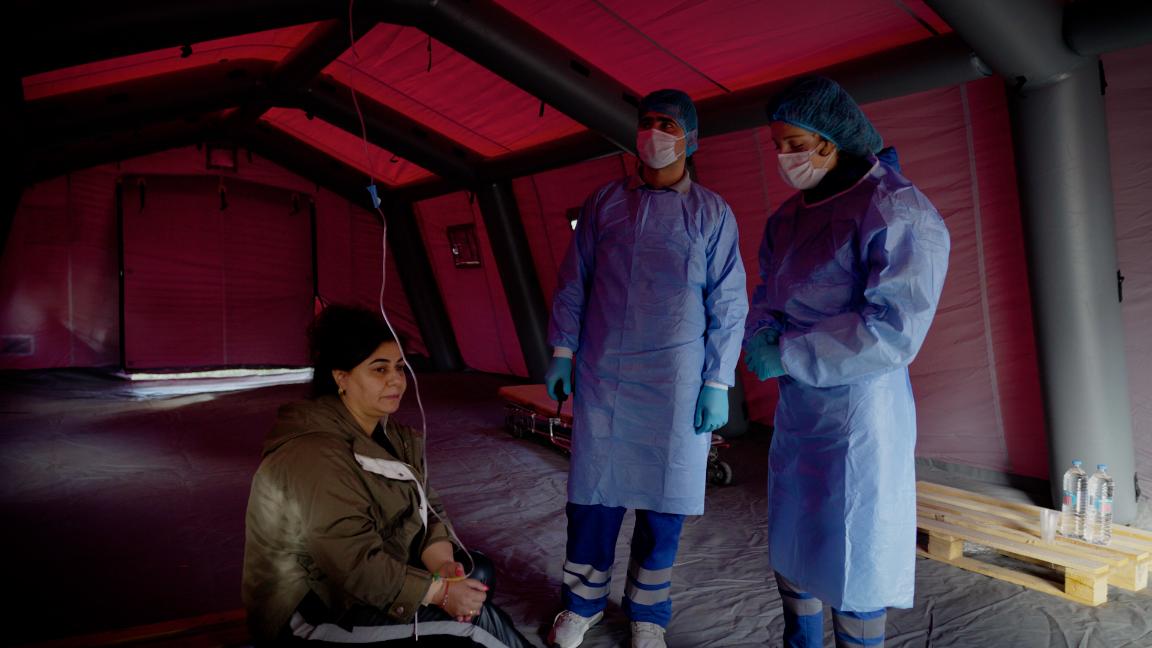
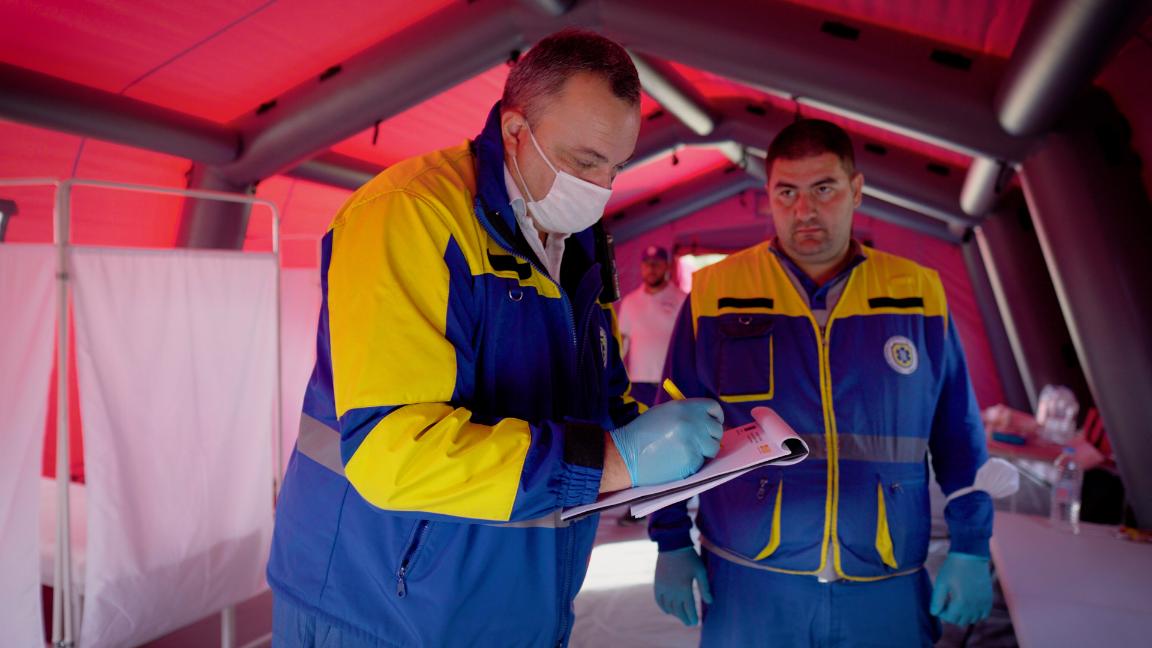
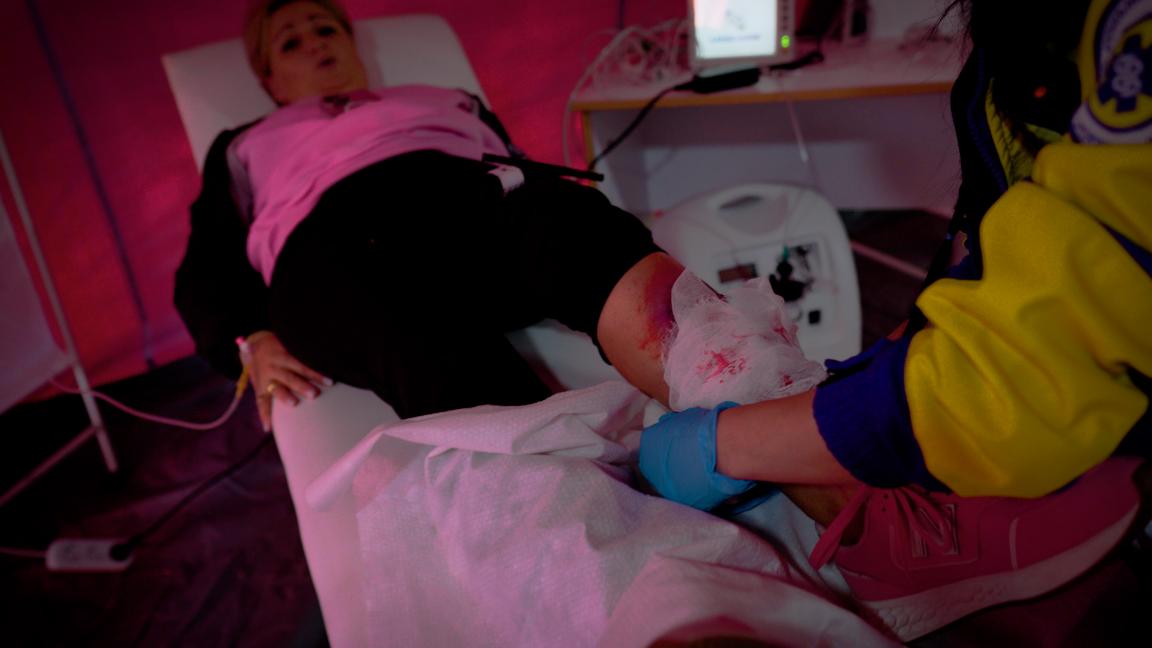
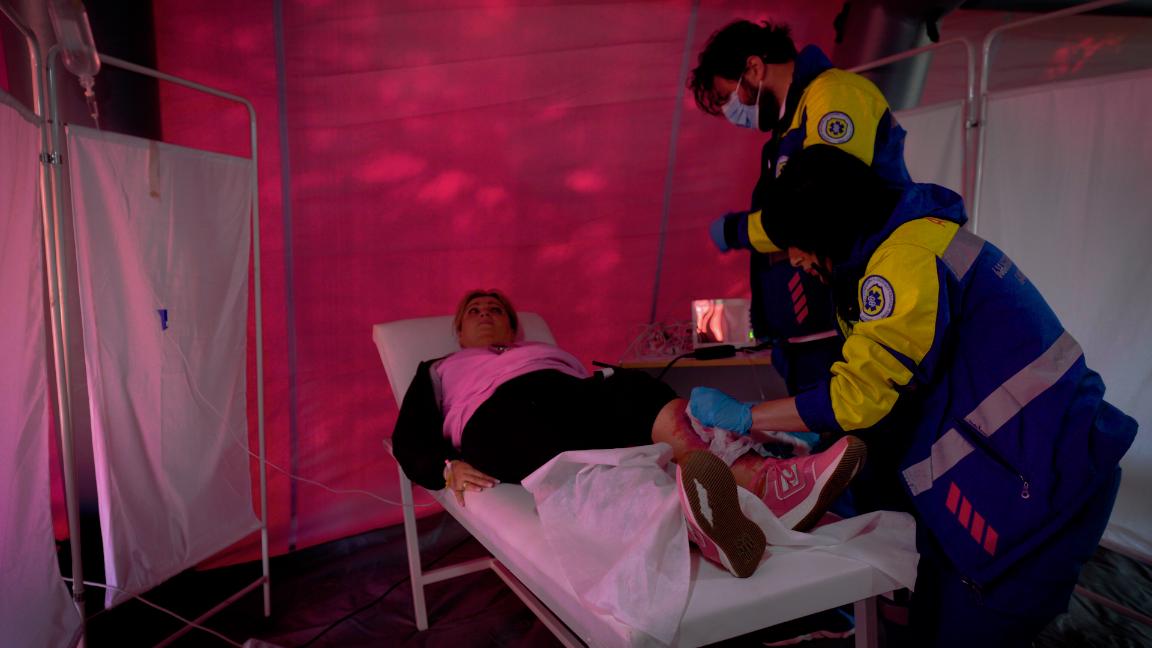
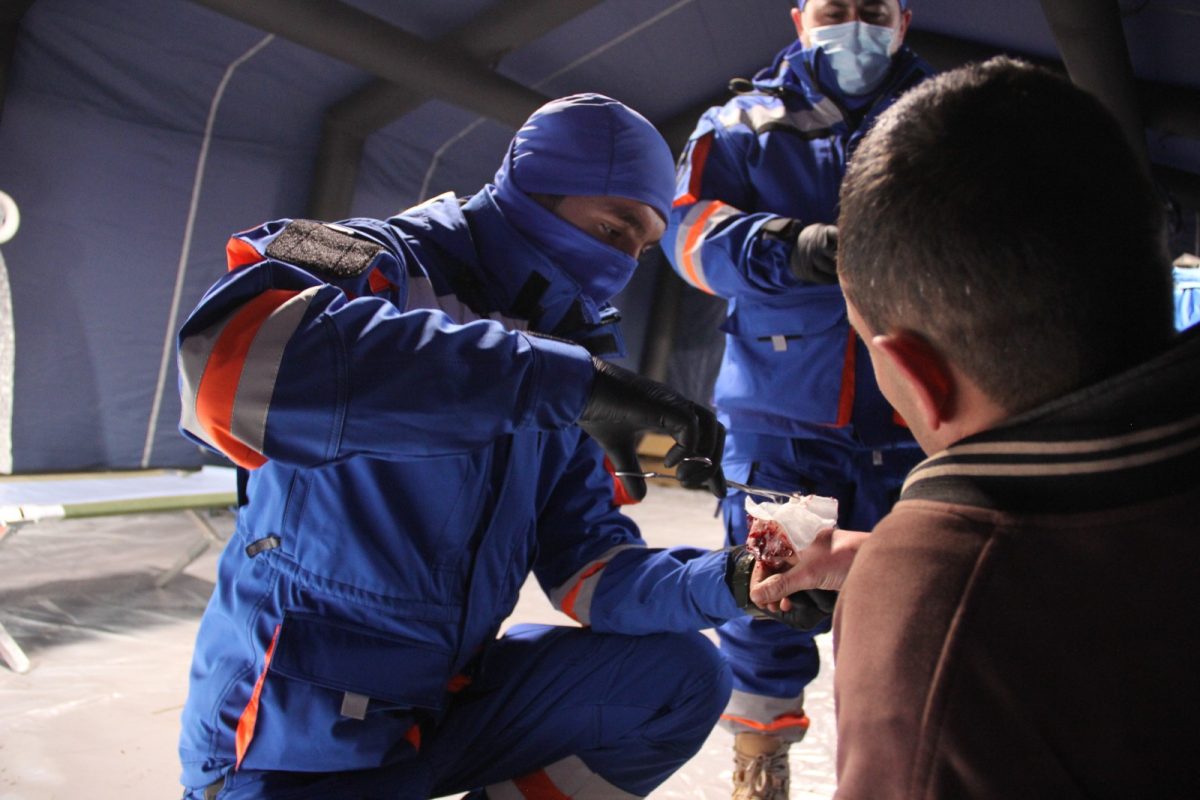
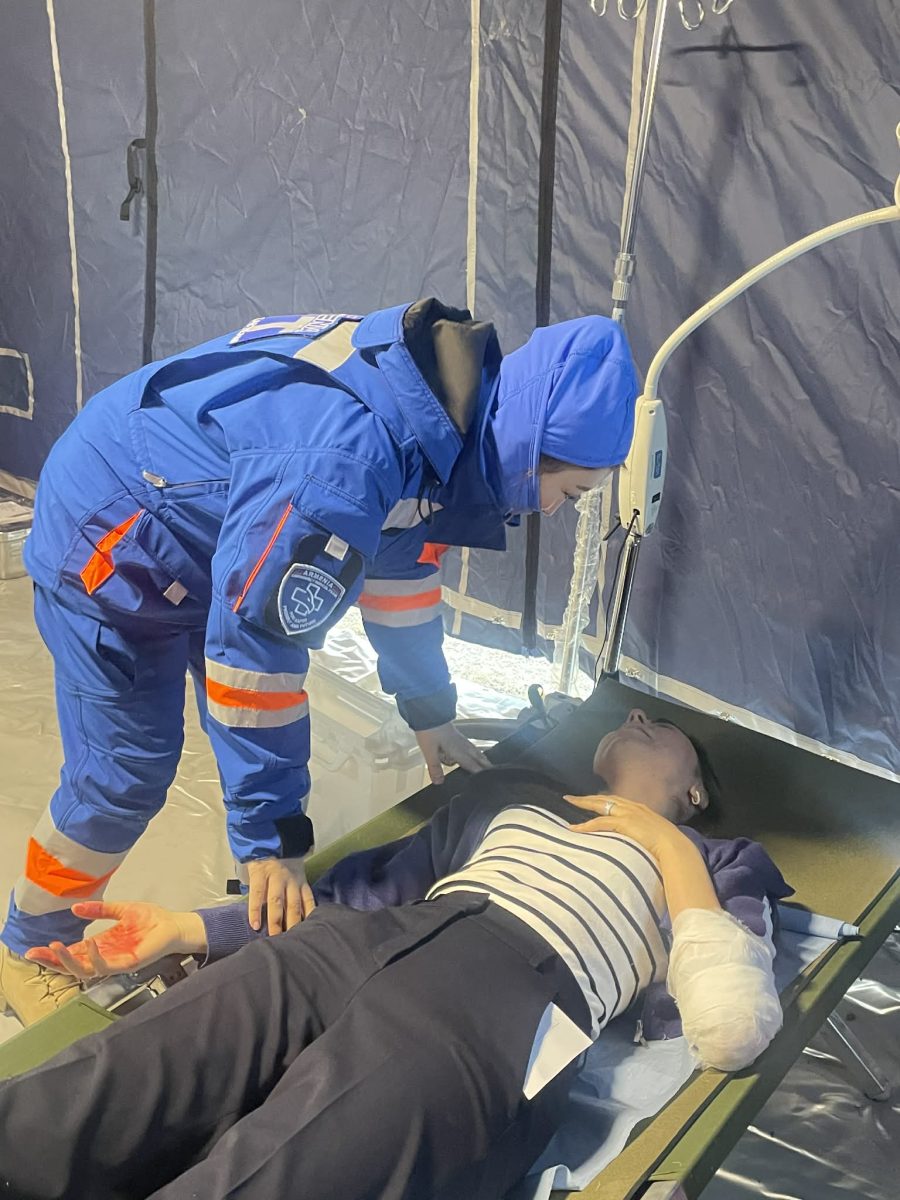
Participants practiced the deployment and operation of an EMT Type 1 (fixed) facility, replicating a mini deployment life cycle within an international response mission. During the exercise, the team established a field medical facility, managed patient flow, and responded to a wide range of simulated medical cases, including trauma, communicable diseases, and public health emergencies.
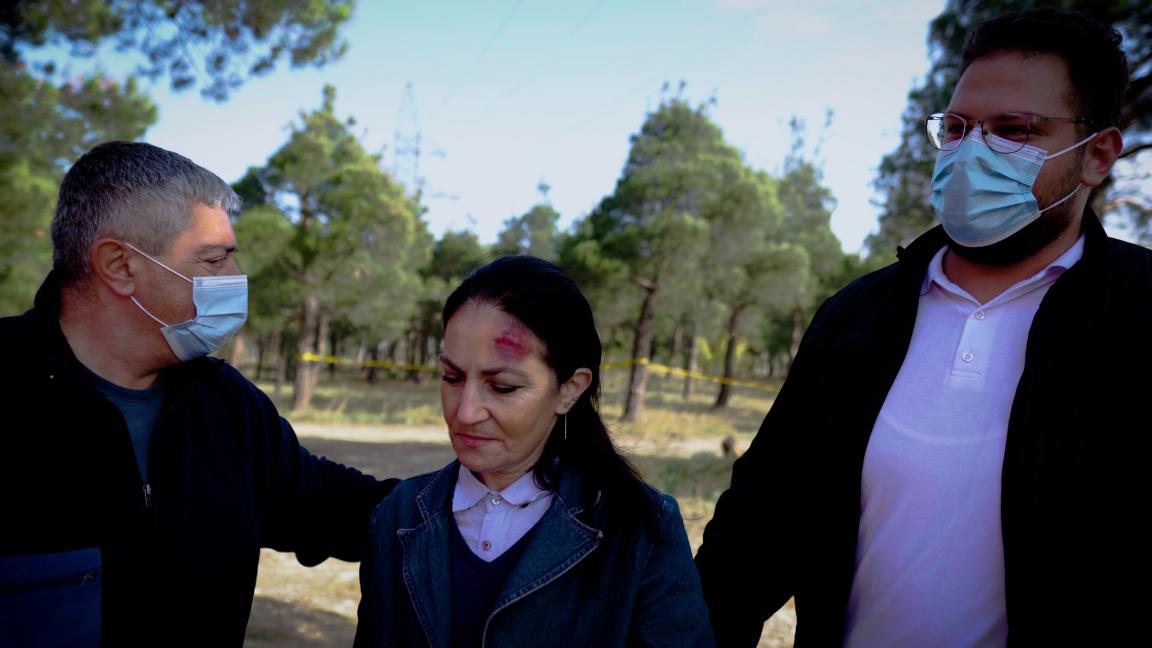
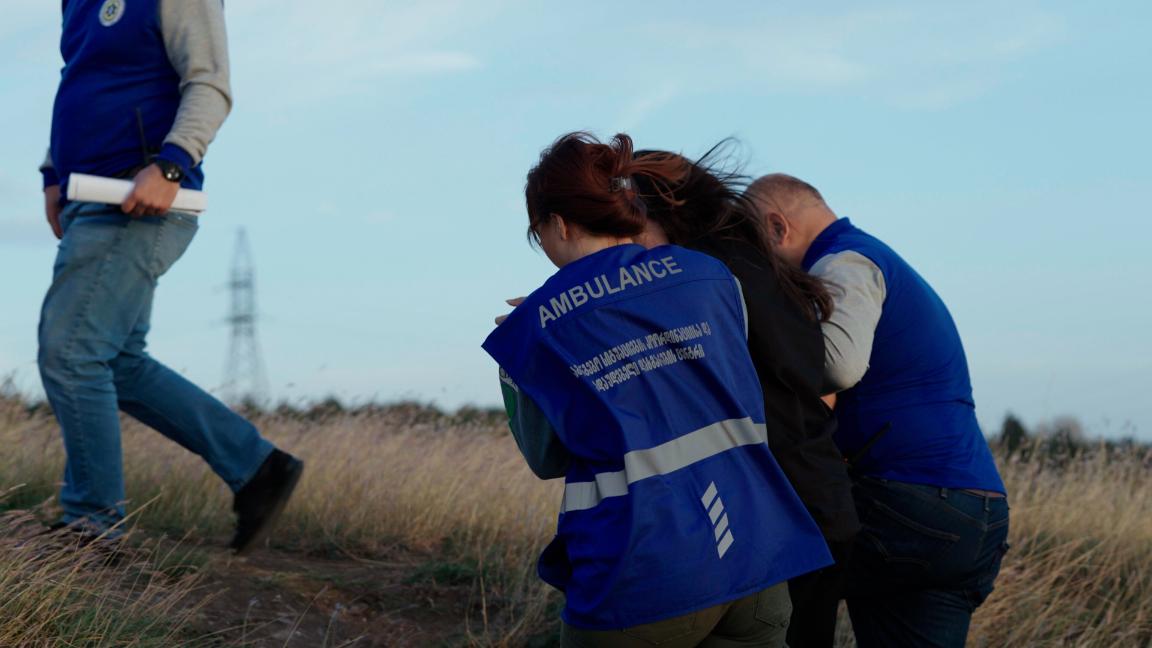
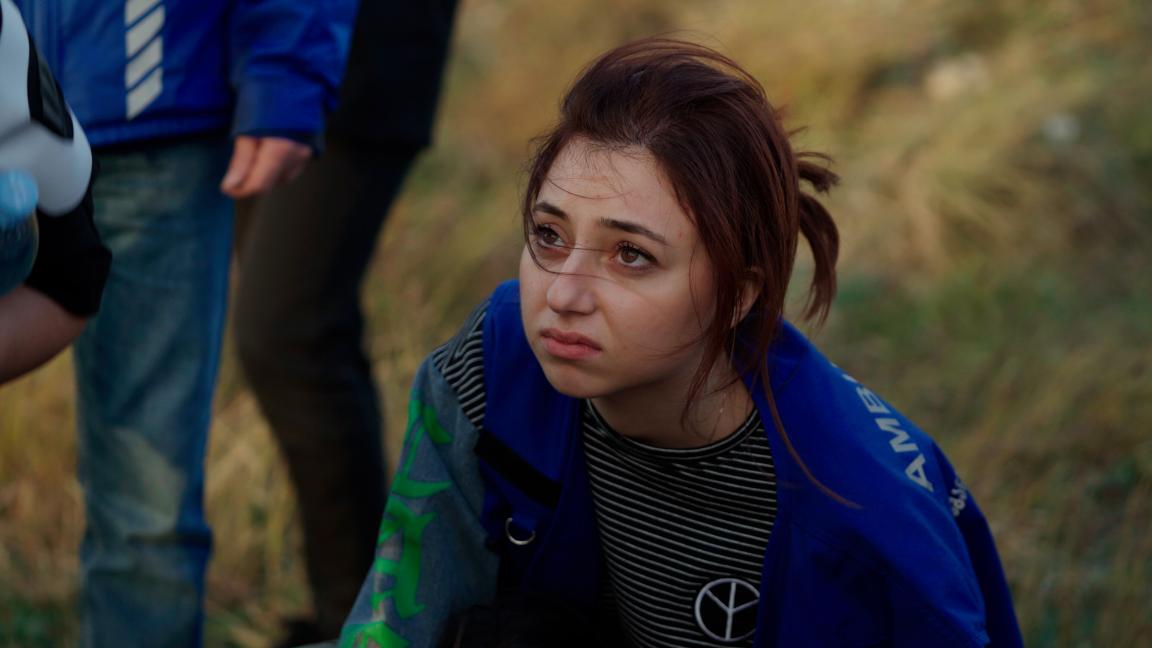
The exercise simulated real emergency response conditions, requiring the mobilization of personnel, equipment, and logistical resources. Participants responded to various operational challenges, including mass casualty incidents, coordination with health authorities, communication with emergency coordination structures, and managing security or public health risks.
Throughout the simulation, EMT members demonstrated strong teamwork, leadership, and clinical capacity, while also identifying areas for improvement related to logistics, equipment availability, and coordination processes. These insights will support further strengthening of EMT operational readiness and preparedness for future emergency deployments.
Exercises of this kind play a critical role in testing emergency response systems under realistic conditions, ensuring that Emergency Medical Teams are prepared to respond rapidly and effectively during major disasters both nationally and internationally.