ASB provided targeted equipment support to the Emergency Medical Teams (EMTs) of both countries. Implemented with the support of DG ECHO and in close cooperation with national health authorities and the World Health Organization (WHO), this component complemented ongoing efforts to strengthen EMT systems in line with international standards.
The provision of equipment played a critical role in translating technical capacity into operational readiness. EMT development requires not only trained personnel and standardized procedures, but also the physical resources necessary to deploy rapidly, operate safely in field conditions, and deliver medical assistance in emergency settings. In this context, the project supported both Armenia and Georgia with essential field, logistical, and support equipment tailored to EMT operational needs.
In Armenia, the EMT received a comprehensive set of field infrastructure that enabled the establishment of a structured emergency medical facility. This included inflatable tents designed for different operational functions such as triage, treatment, coordination, storage, and staff accommodation, as well as supporting systems for lighting, power supply, and internal organization. The equipment strengthened the team’s capacity to deploy as a self-sufficient unit and provide medical care in austere environments.
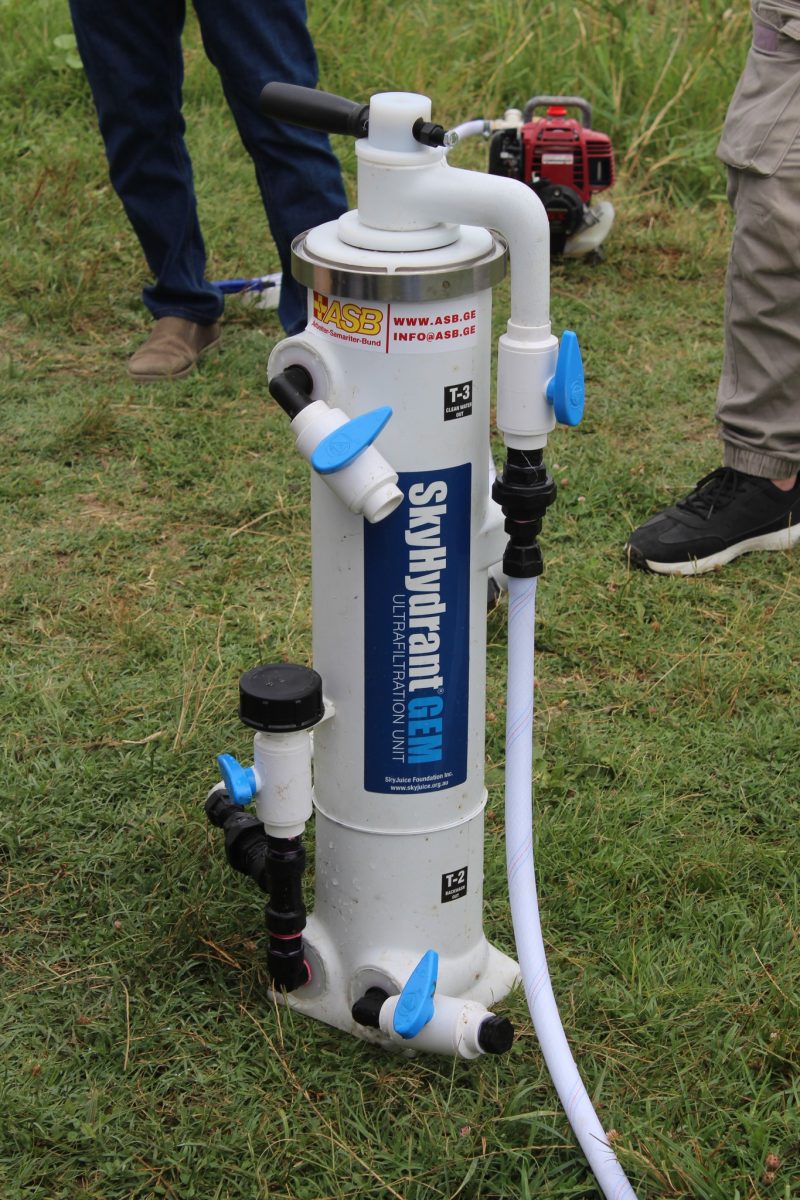
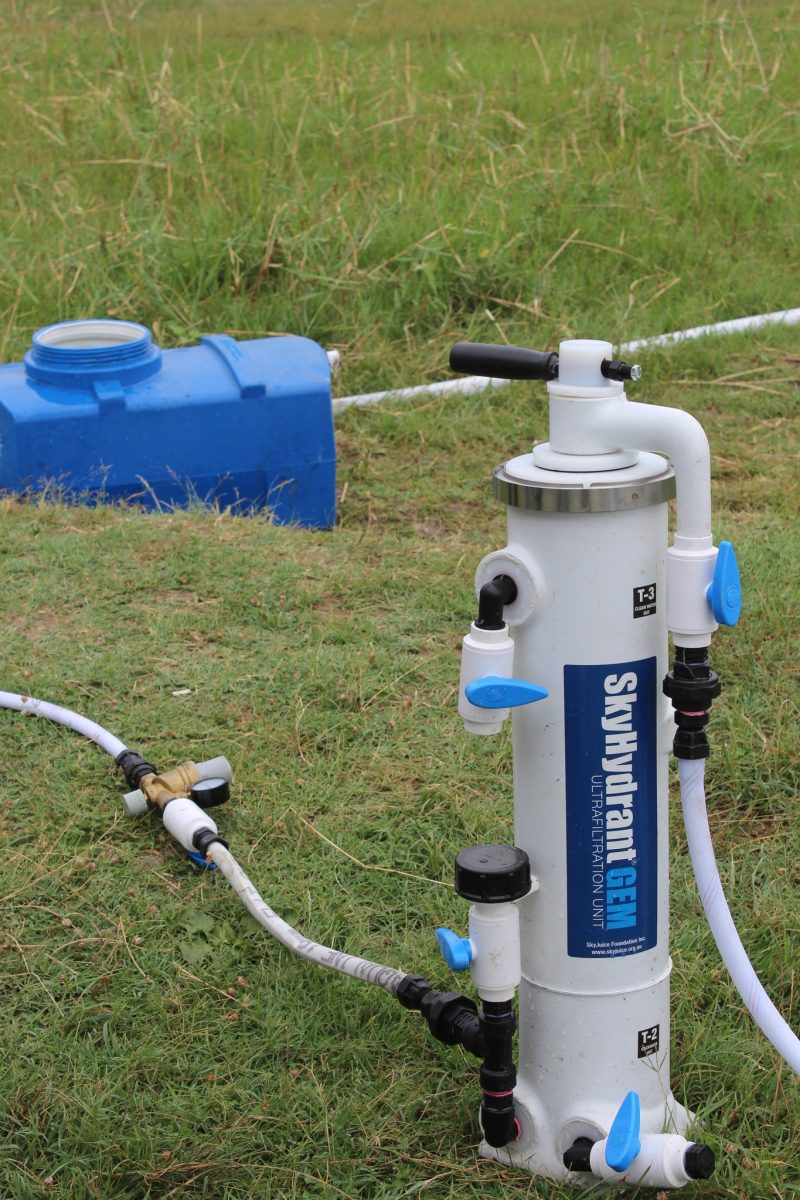
Additional support focused on improving team mobility and self-sufficiency during deployments. Personal equipment, such as sleeping systems and field backpacks, was provided to ensure that team members could operate effectively during extended missions. This was complemented by water supply and hygiene solutions, including portable water filtration systems and related infrastructure, which are essential for maintaining safe operational conditions in emergency contexts.
The project also contributed to enhancing technical and operational capabilities through the provision of rescue, safety, and field-use equipment. These resources supported the team’s ability to respond to a wide range of emergency scenarios, ensuring safer and more efficient field operations.
In Georgia, the project supported the development of EMT operational capacity through the provision of key infrastructure and field equipment required for deployment. This included elements necessary for setting up a functional field environment, such as tents, water and sanitation solutions, and other technical equipment. The support contributed to building a system that enables the EMT to function as a deployable, coordinated, and self-sufficient emergency response unit.
Overall, the equipment provided under the project strengthened the practical readiness of EMTs in both countries. It ensured that teams were not only trained and organized but also equipped to operate effectively in real emergencies. This contribution supported national preparedness efforts and facilitated progress toward meeting WHO EMT standards and future international classification.
Skyhydrant training
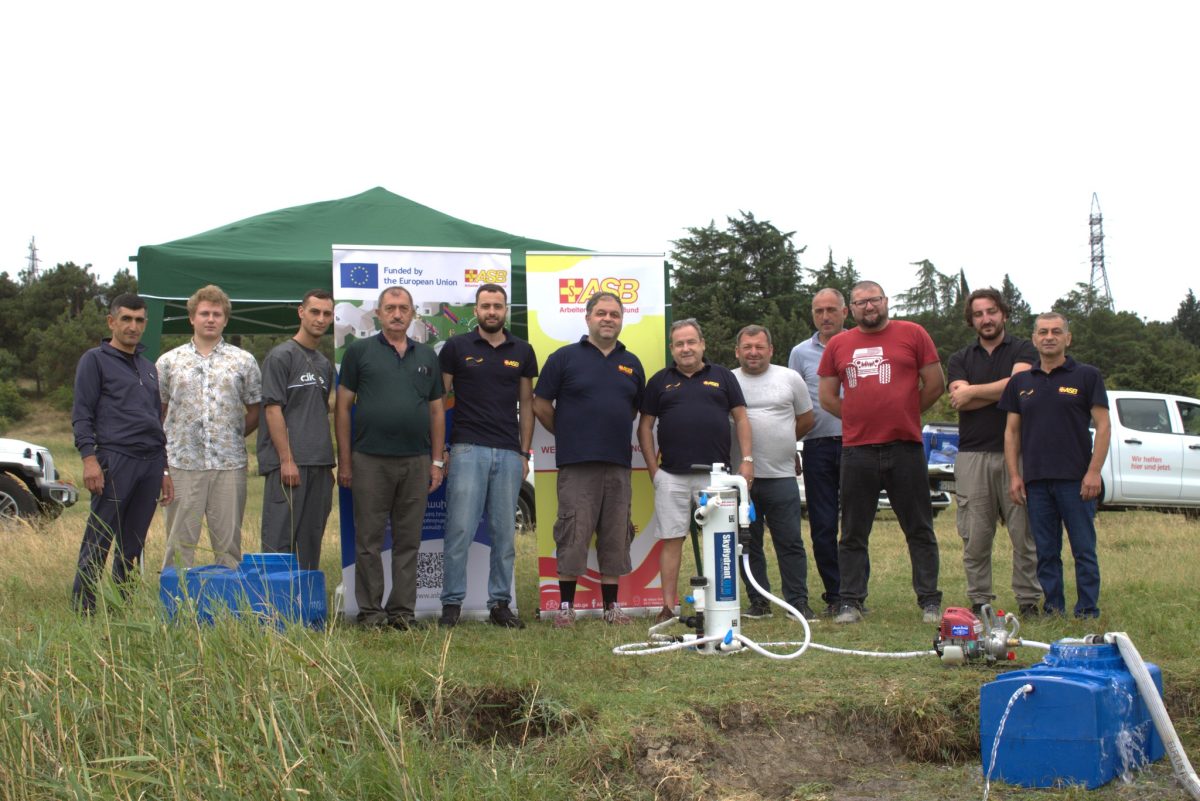
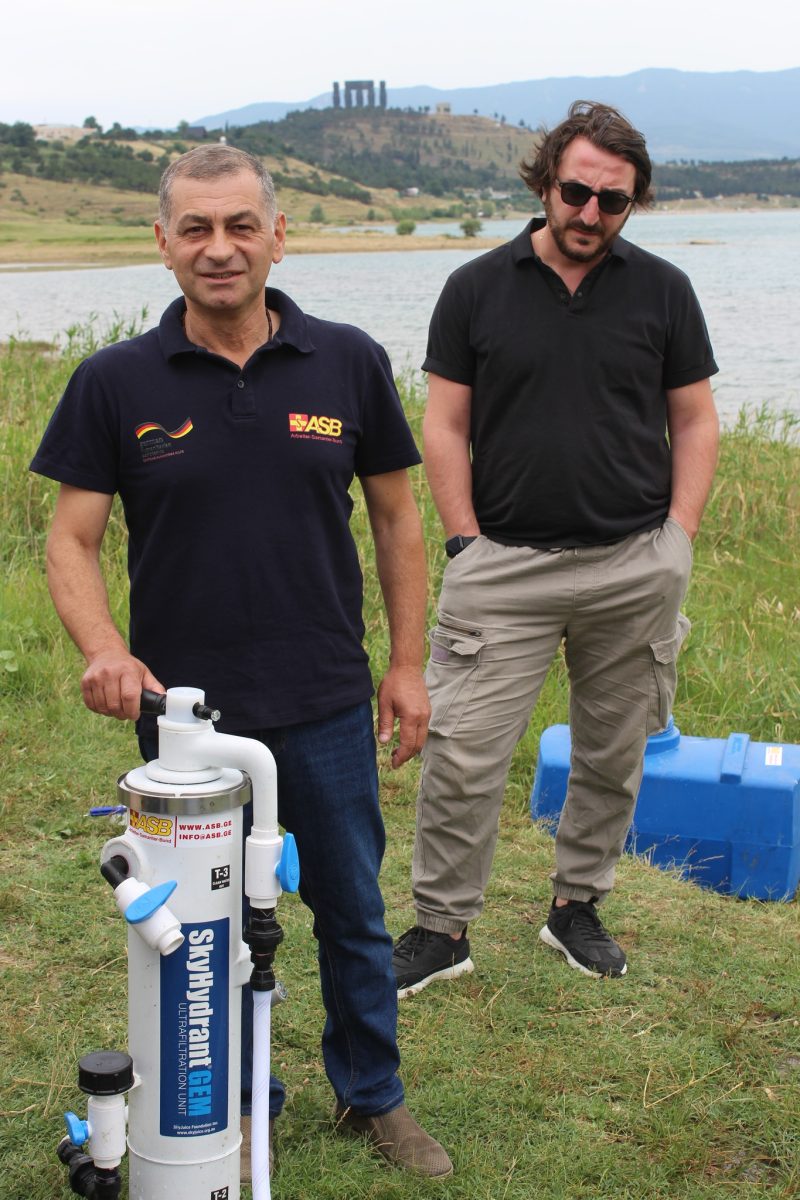
A two-day training on the SkyHydrant water filtration system was conducted on July 24-25, 2025, for Emergency Medical Teams (EMTs) from Georgia and Armenia, organized by ASB within the framework of ongoing efforts to strengthen emergency preparedness and response capacities in the region.
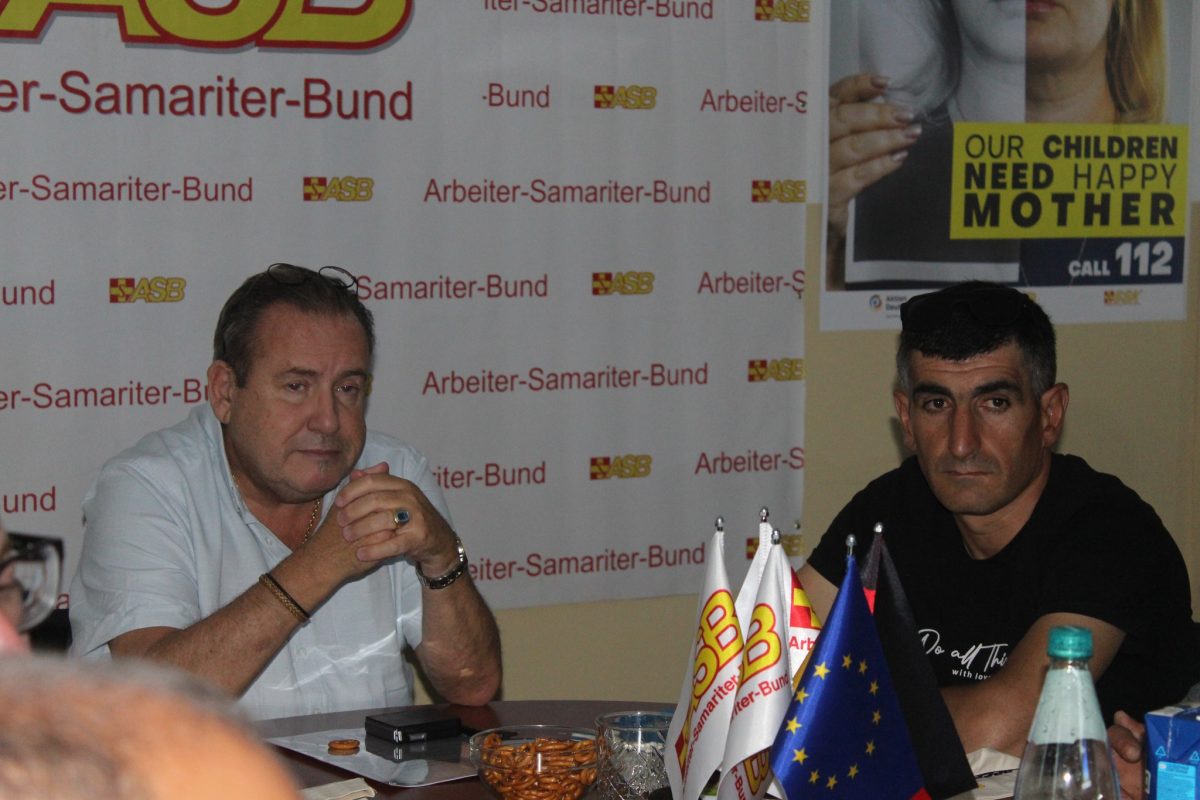
The training combined both theoretical and practical components to ensure a comprehensive understanding of the system. During the first day, participants were introduced to the SkyHydrant through classroom-based sessions, where its purpose, technical characteristics, and role in emergency response were explained. Particular attention was given to its application in disaster settings, where access to safe drinking water is often limited.
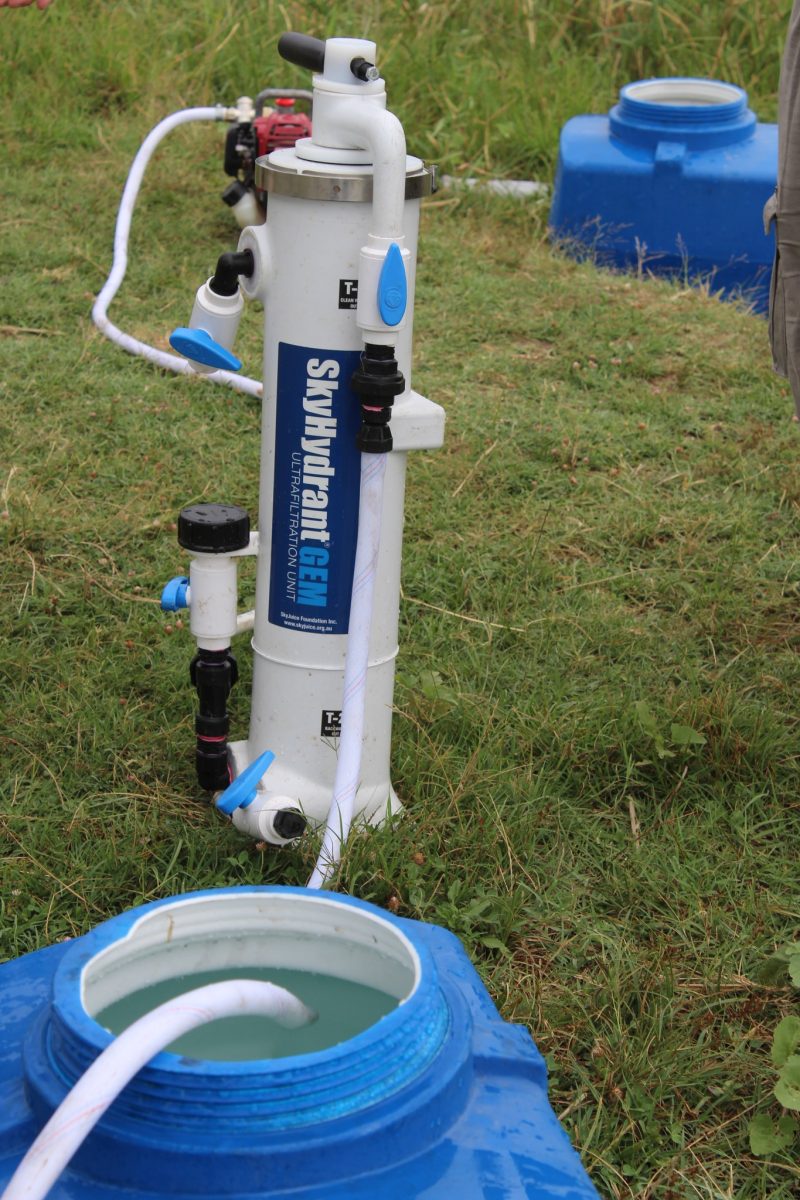
The SkyHydrant system is designed for rapid deployment in emergency and remote environments and is capable of producing safe drinking water without the need for electricity or chemicals. This makes it especially suitable for use in field conditions where infrastructure is disrupted and immediate solutions are required.
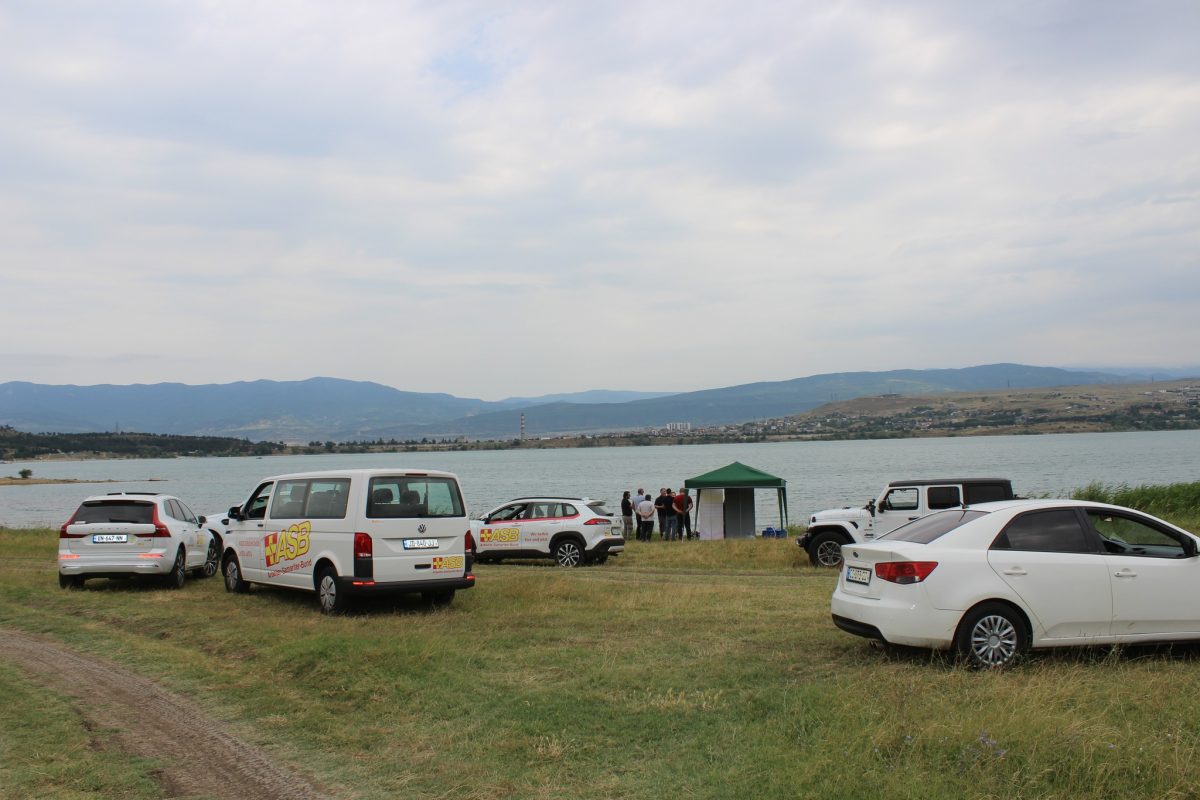
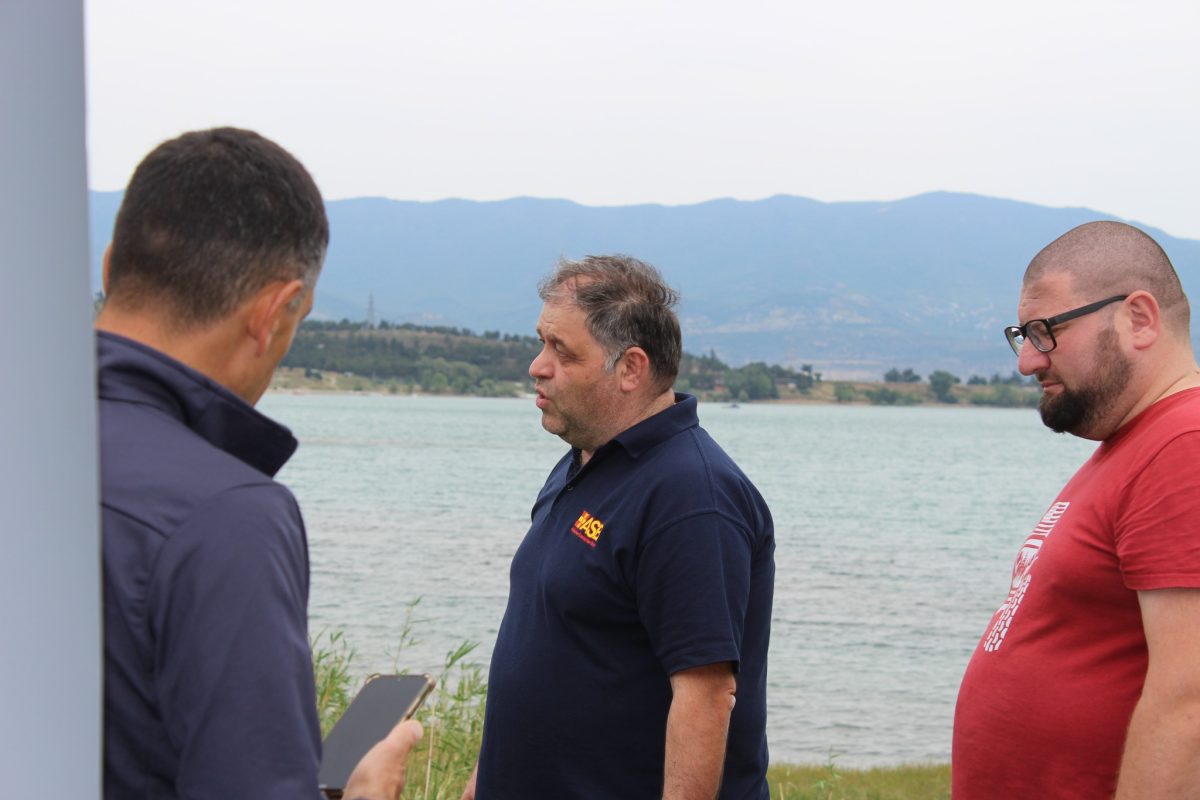
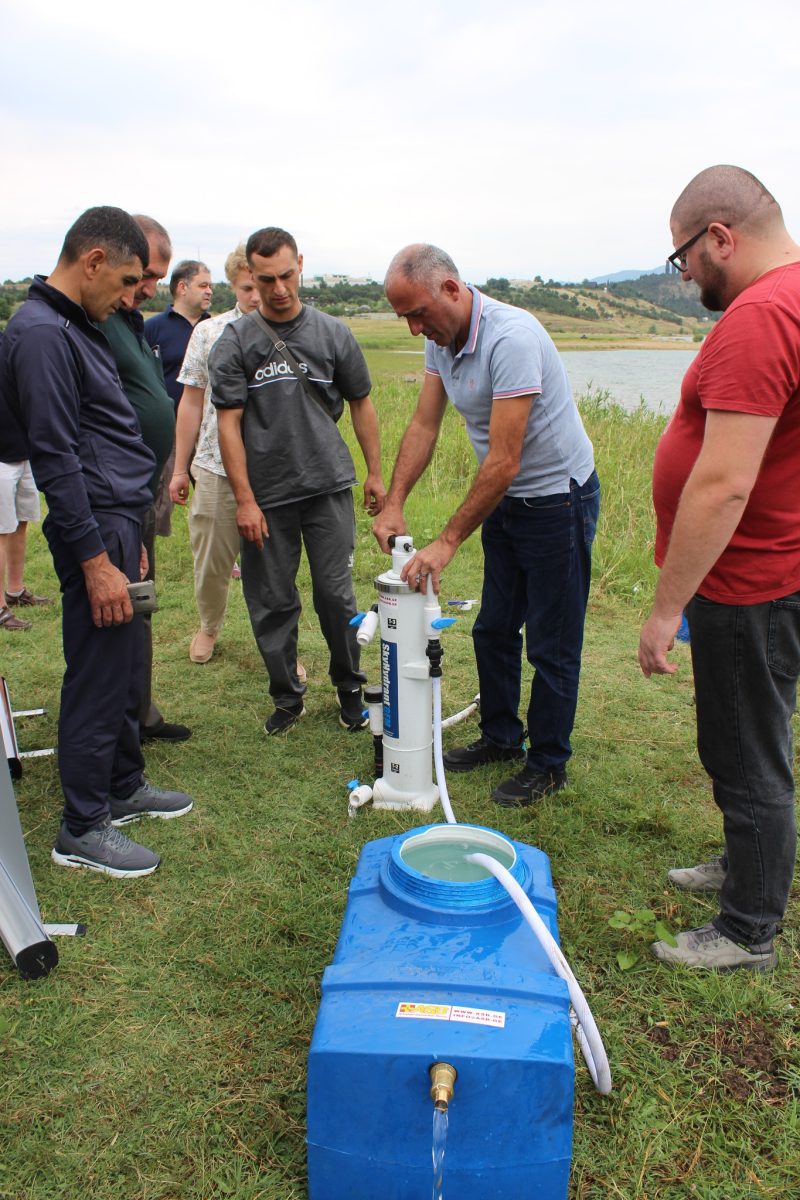
On the second day, the training continued with a practical field exercise conducted at the Tbilisi Sea. EMT members from both countries worked directly with the system, observing its setup, operation, and maintenance procedures. The exercise allowed participants to gain hands-on experience in establishing a functional water supply solution under simulated emergency conditions.
The training also served as a platform for strengthening cooperation between Georgian and Armenian EMTs. By bringing together representatives from both countries, it supported knowledge exchange, harmonization of practices, and the development of coordinated approaches in the Water, Sanitation, and Hygiene (WASH) sector.
Overall, the activity contributed to enhancing the operational readiness of EMTs, ensuring that teams are equipped not only with medical capacities but also with essential tools and knowledge to address critical needs such as access to safe drinking water during emergencies.