Regional EMT group & community of practice meeting of the WHO European region
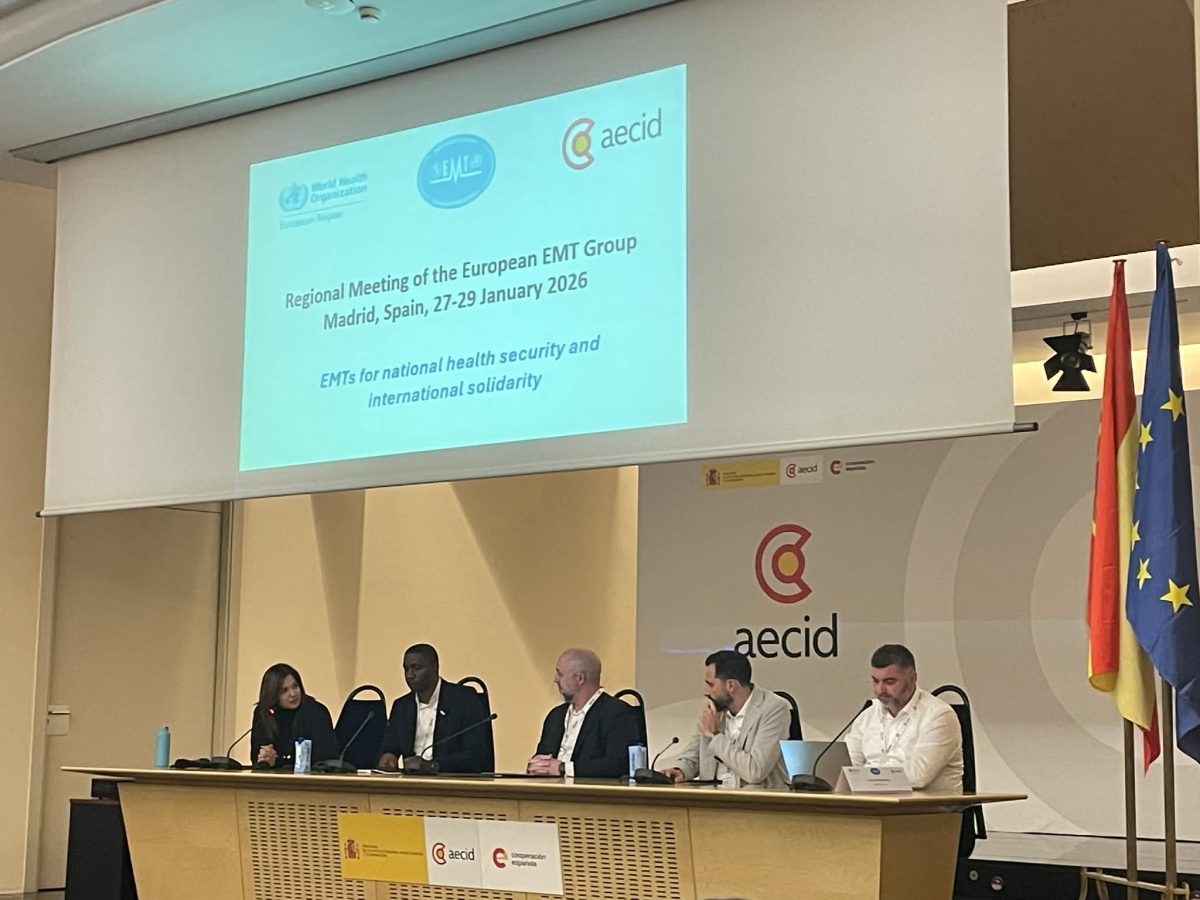
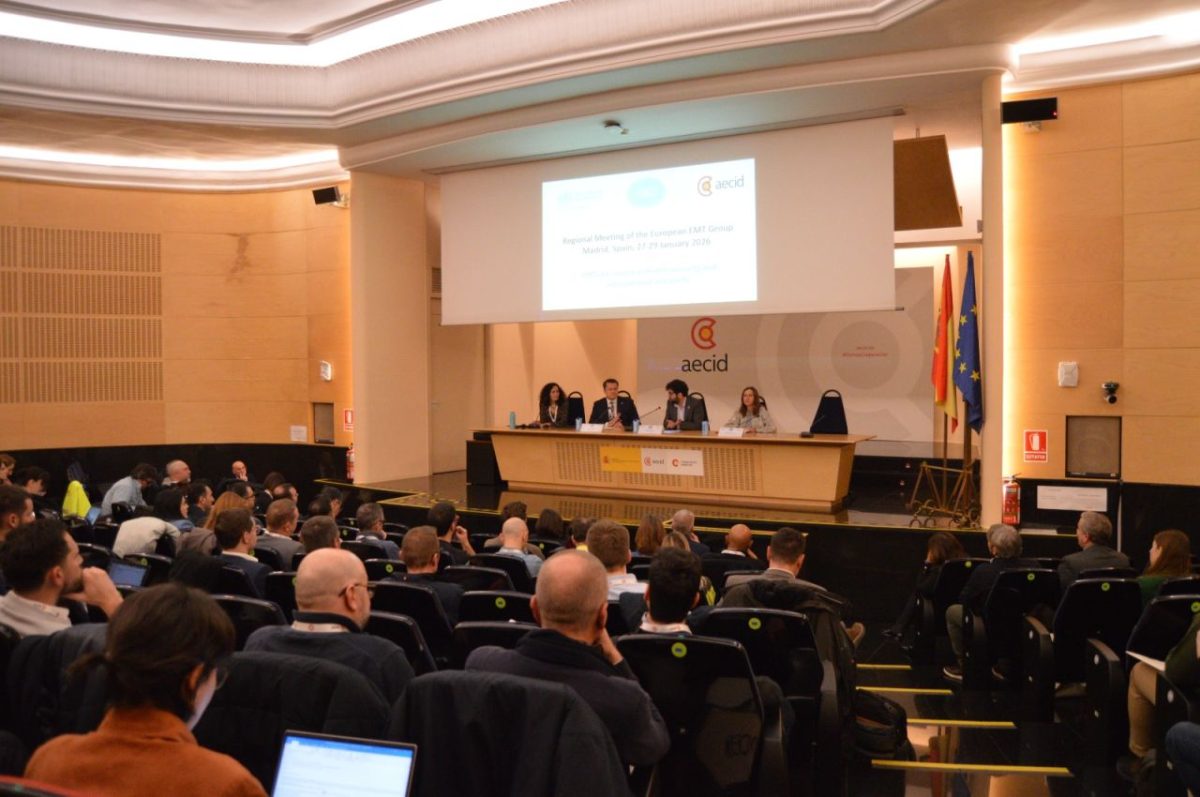
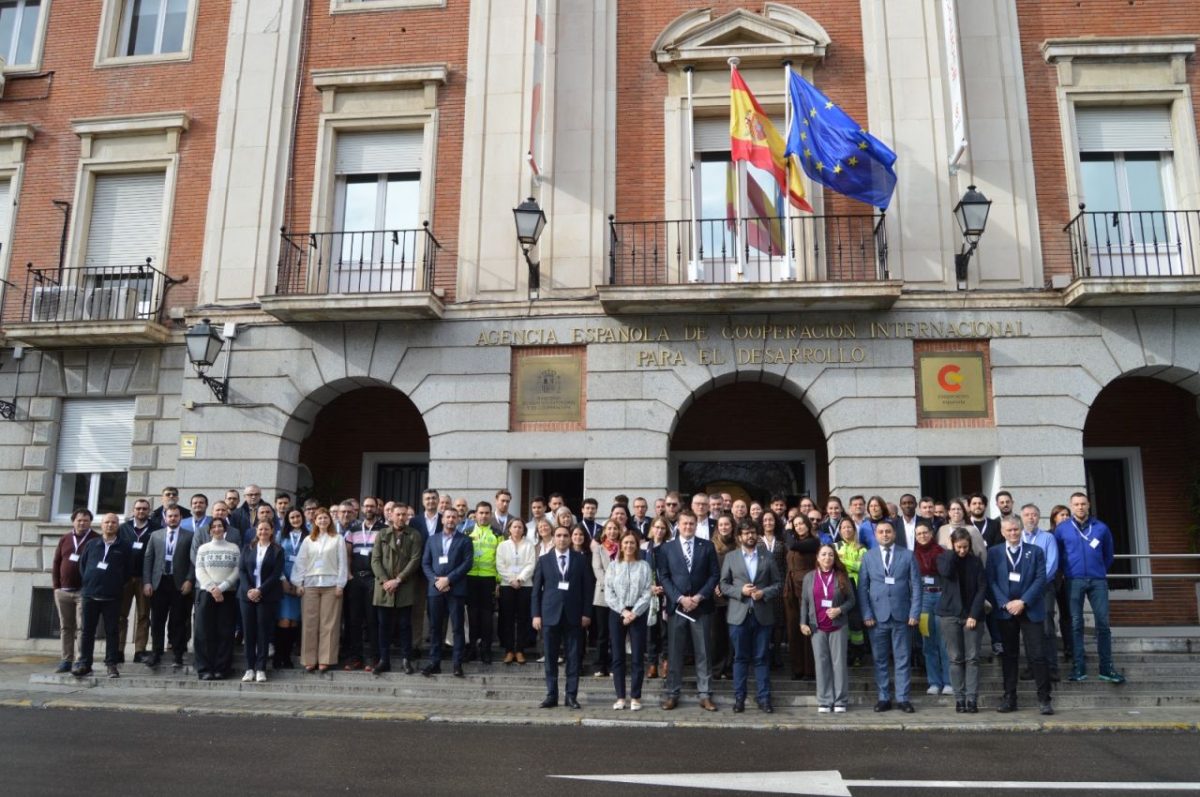
The Emergency Medical Teams (EMT) Regional Group and Community of Practice (CoP) Meeting was held in Madrid from January 27–29, 2026. The meeting was jointly organized by the WHO Regional Office for Europe and the Spanish Agency for International Development Cooperation.
This event marked the first major regional gathering following the endorsement of the EMT Regional Action Plan 2024–2030. It brought together national EMT focal points, team leaders, ministries, WHO representatives, and partner organizations from across the European Region to review progress, align national systems with regional priorities, and define practical next steps for implementation.
The meeting focused on key pillars of EMT system development, including national classification and validation processes, governance structures, standard operating procedures (SOPs), training systems, digital coordination tools, cross-border interoperability, and long-term sustainability. Special attention was also given to climate-sensitive approaches (Green EMT), knowledge management, and mentoring mechanisms.
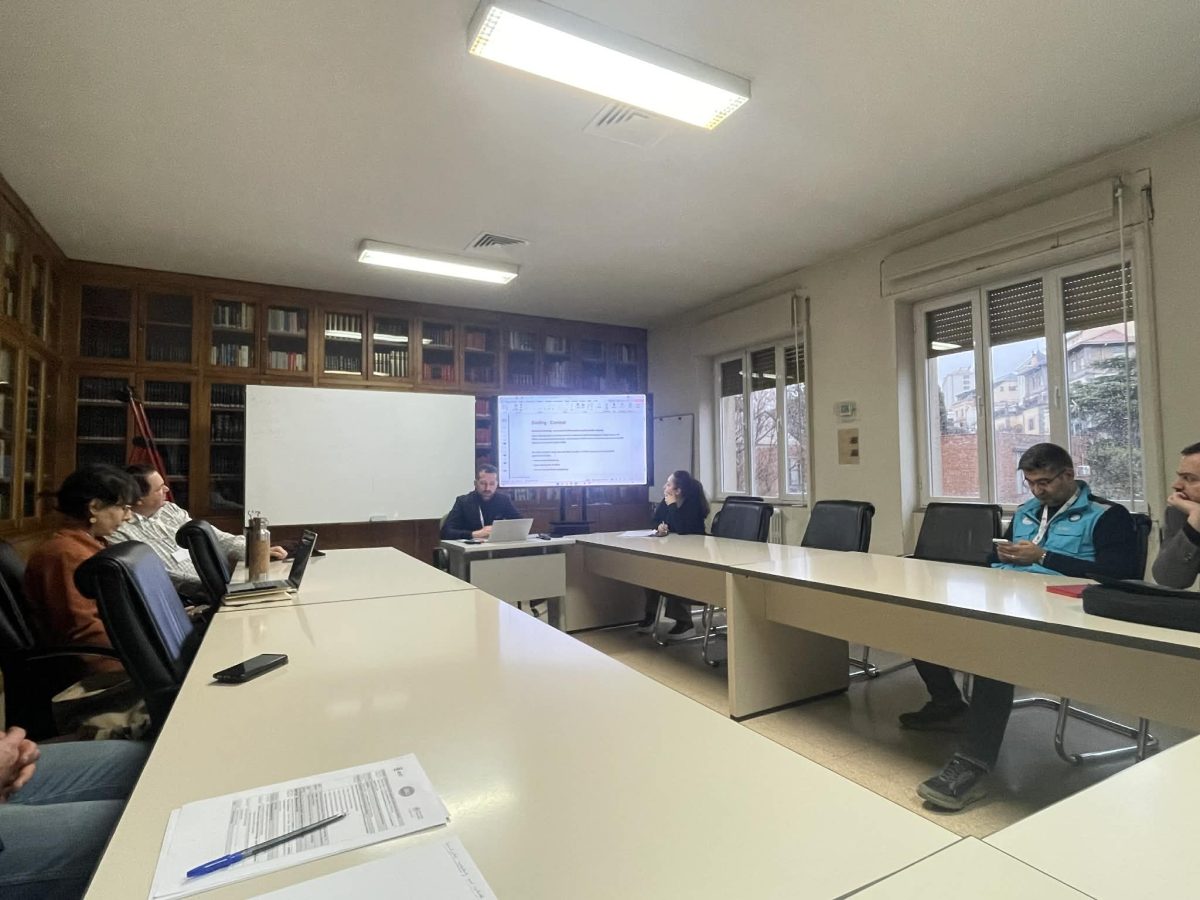
A central feature of the meeting was its interactive group-work format, using rotating breakout and World Café-style sessions. Participants engaged in thematic discussions on governance and coordination, enabling legal and financial environments, knowledge generation and transfer, quality assurance and validation, digital systems including AI, and scalable operational models. This format encouraged peer exchange and the co-creation of practical recommendations.
Additional working groups addressed forward-looking priorities such as climate and environmental considerations, scenario-based preparedness exercises, research and knowledge platforms, regional training coordination, and communication tools. These discussions resulted in concrete proposals and shared commitments for future collaboration.
Key outcomes of the meeting included a clear regional direction with strong commitment to the EMT Regional Action Plan 2024–2030, increased focus on sustainable financing and institutional integration, and strengthened digital and knowledge ecosystems to support evidence-based decision-making. Cross-border cooperation and subregional models were highlighted as priority areas, reinforcing the importance of coordinated EMT development among neighbouring countries.
Participation in the meeting confirmed that ongoing EMT development efforts in Armenia and Georgia are aligned with WHO regional standards, particularly in the areas of SOP development, training systems, and governance structures. It also demonstrated the relevance of cross-border approaches and the importance of maintaining strong institutional engagement from national authorities.
The meeting further strengthened connections with regional networks, including simulation exercises, mentorship opportunities with internationally classified EMTs, collaboration with WHO centres and academic partners, and engagement with emerging digital EMT platforms. These linkages support continued development and future initiatives in emergency preparedness and response.
Overall, the meeting reinforced a shift toward practical, implementation-focused EMT system development, emphasizing collaboration, interoperability, and long-term sustainability across the region.