Mentorship
A comprehensive mentorship process was implemented to support the development of the Georgian and Armenian Emergency Medical Teams (EMTs) and guide them on their path toward WHO global classification.
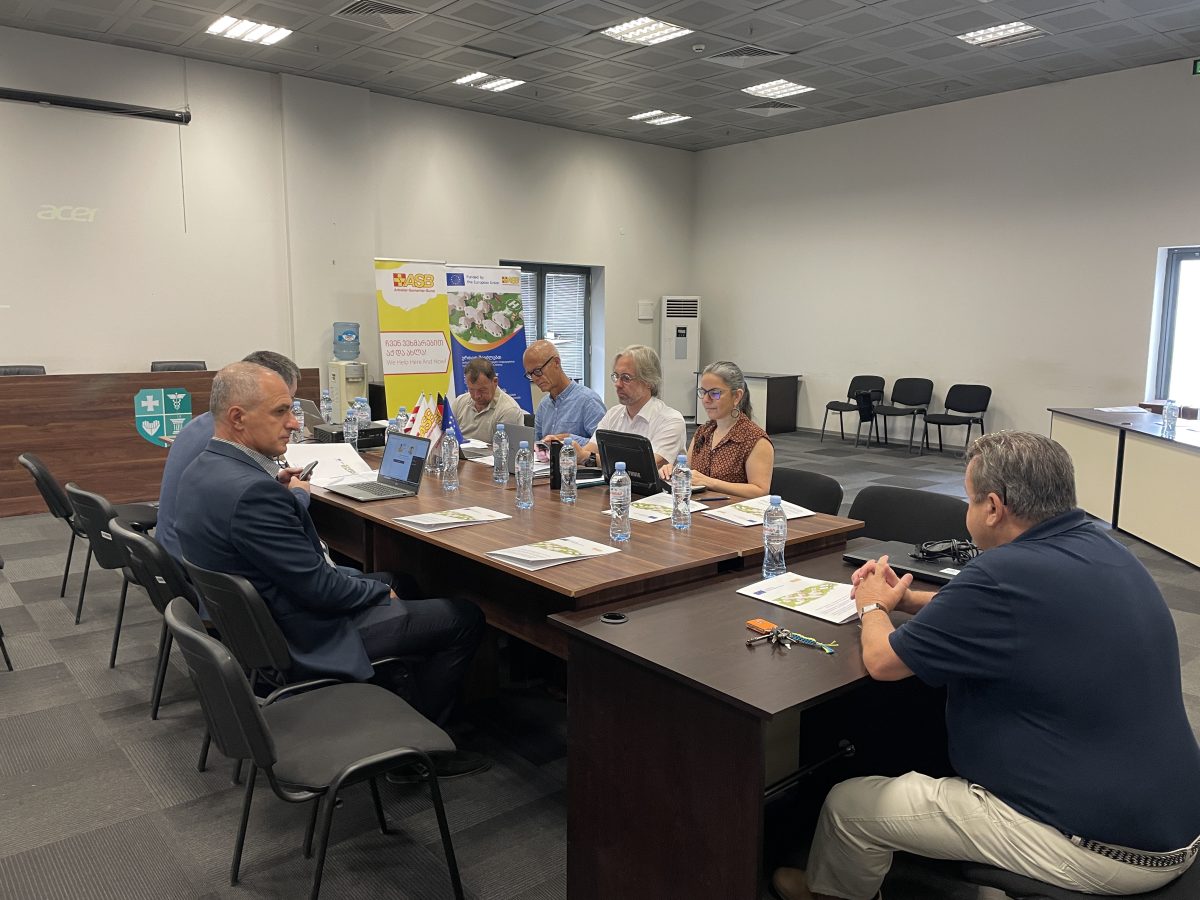
The mentorship program played a key role in strengthening the institutional, operational, and technical capacities of both national EMTs. Throughout the project, regular online meetings and technical consultations were conducted between the EMT teams, international mentors, and project partners. These sessions allowed teams to present progress, discuss challenges, and receive expert guidance on critical components required for the WHO EMT classification process, including governance structures, Standard Operating Procedures (SOPs), equipment procurement, and operational readiness.
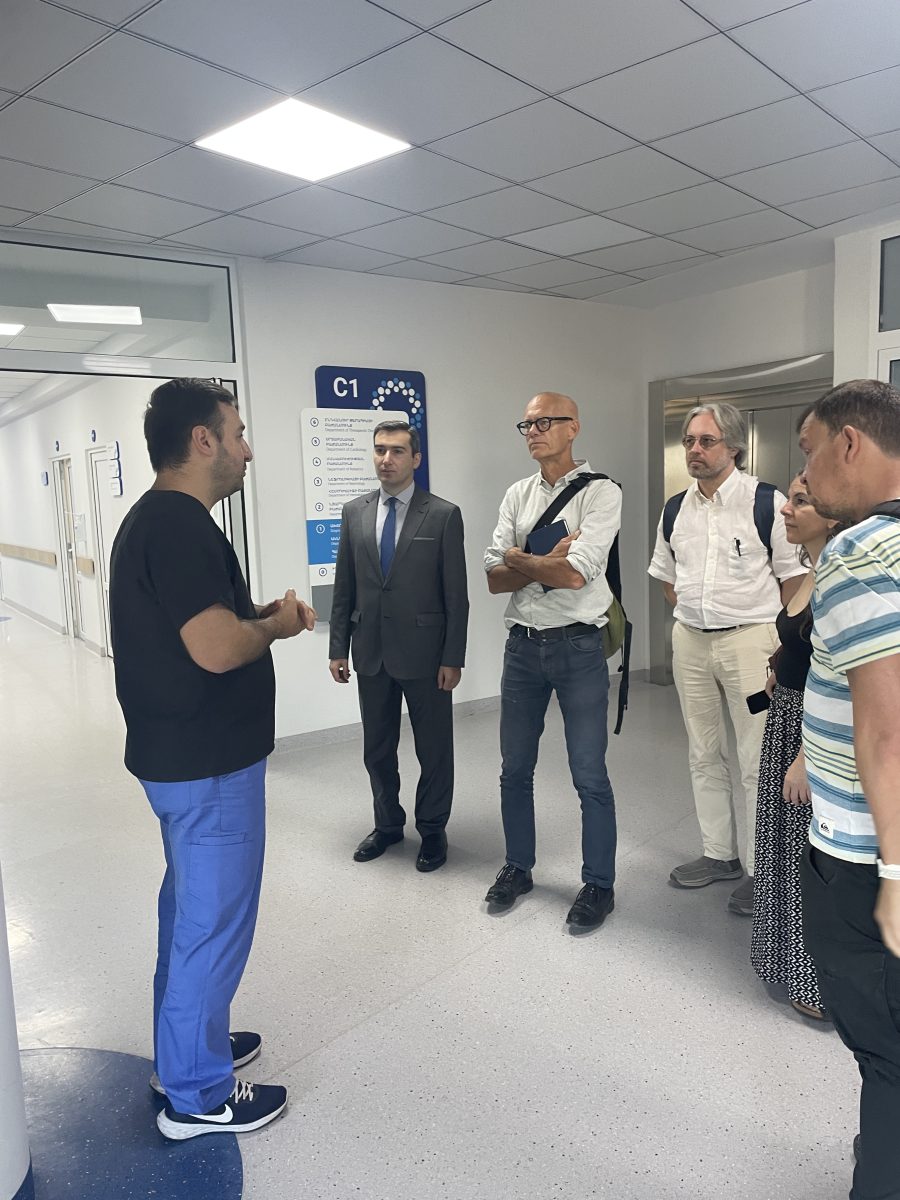
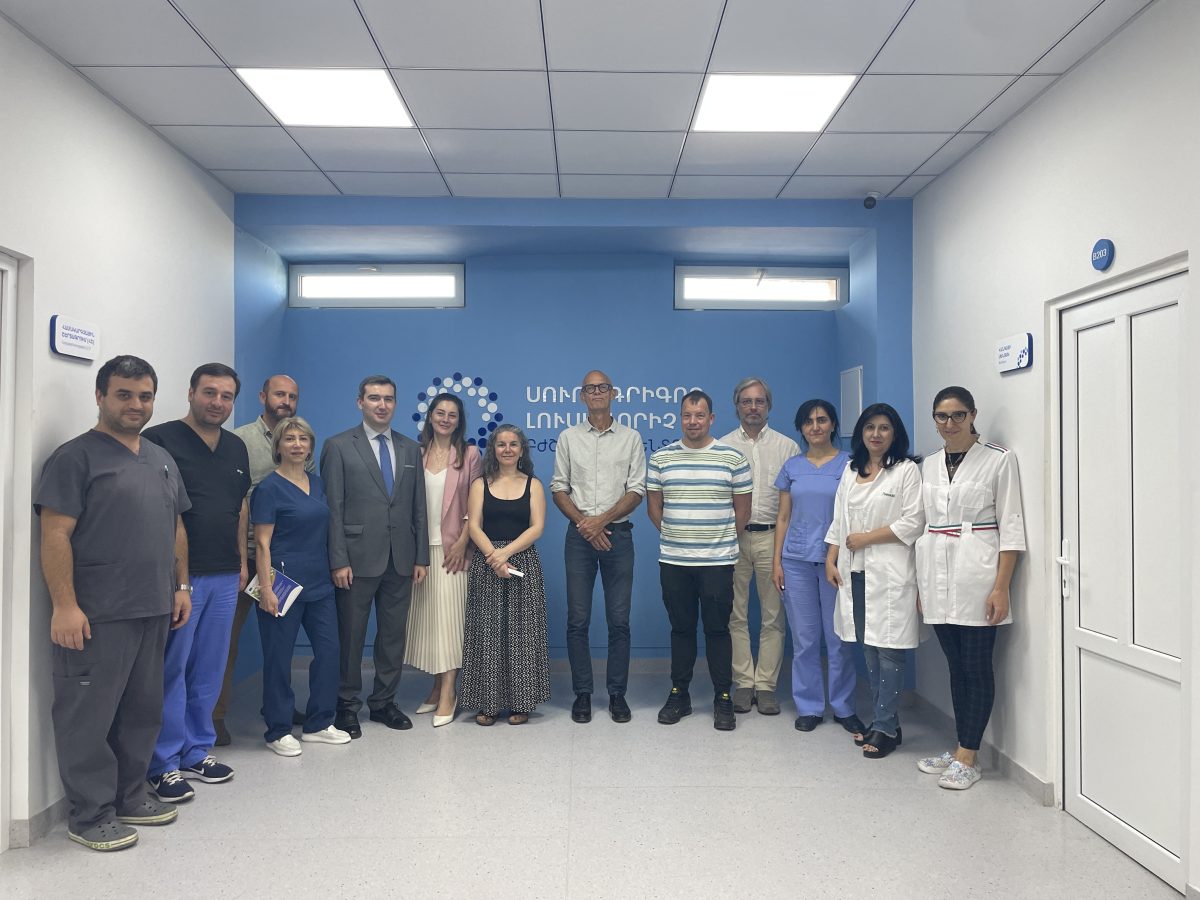
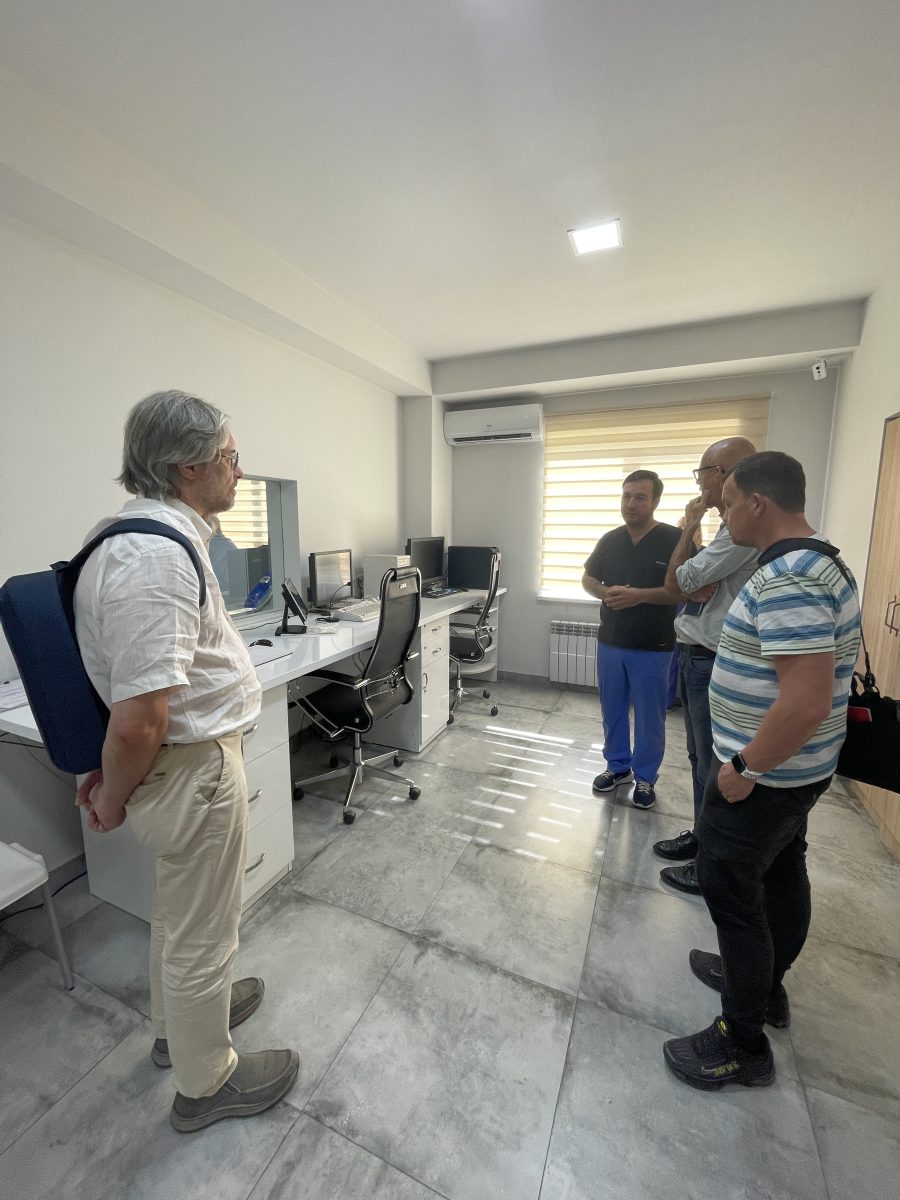
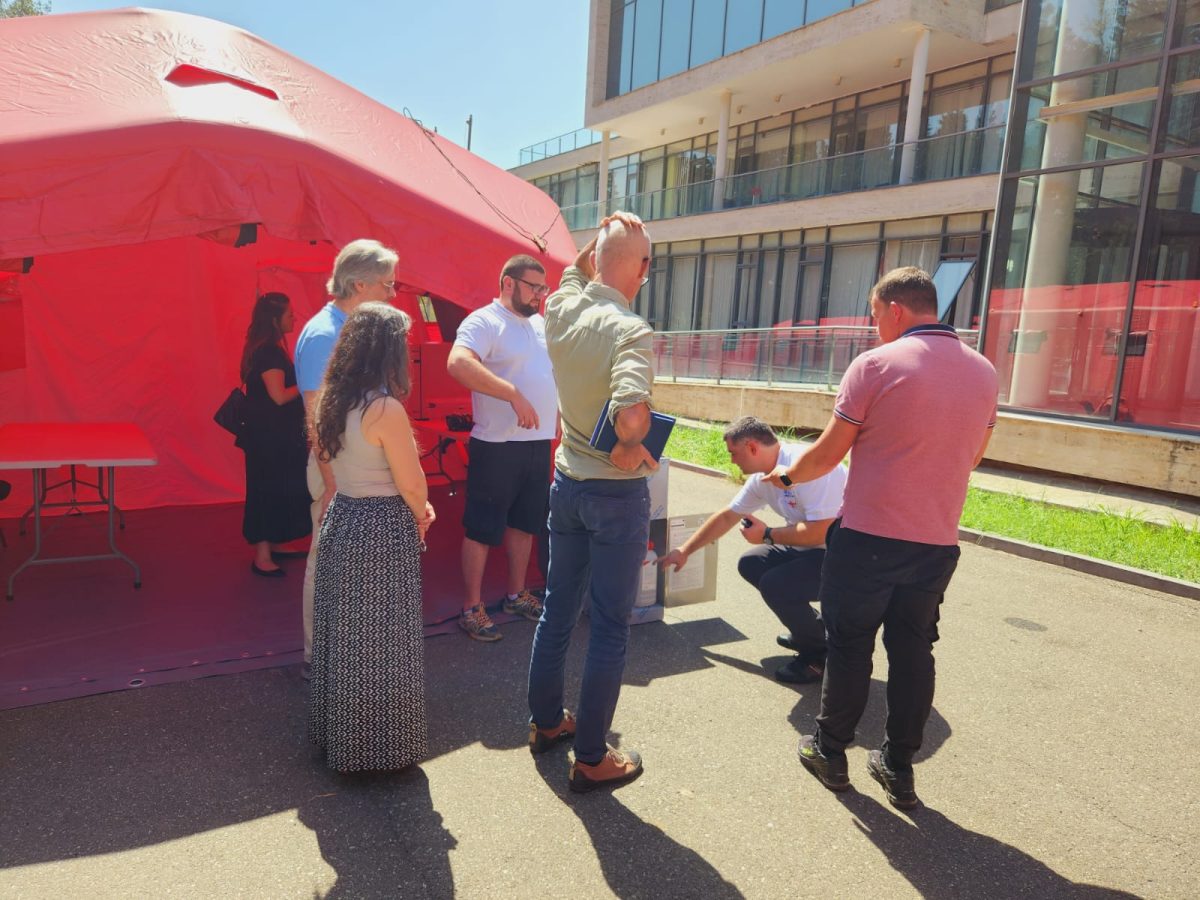
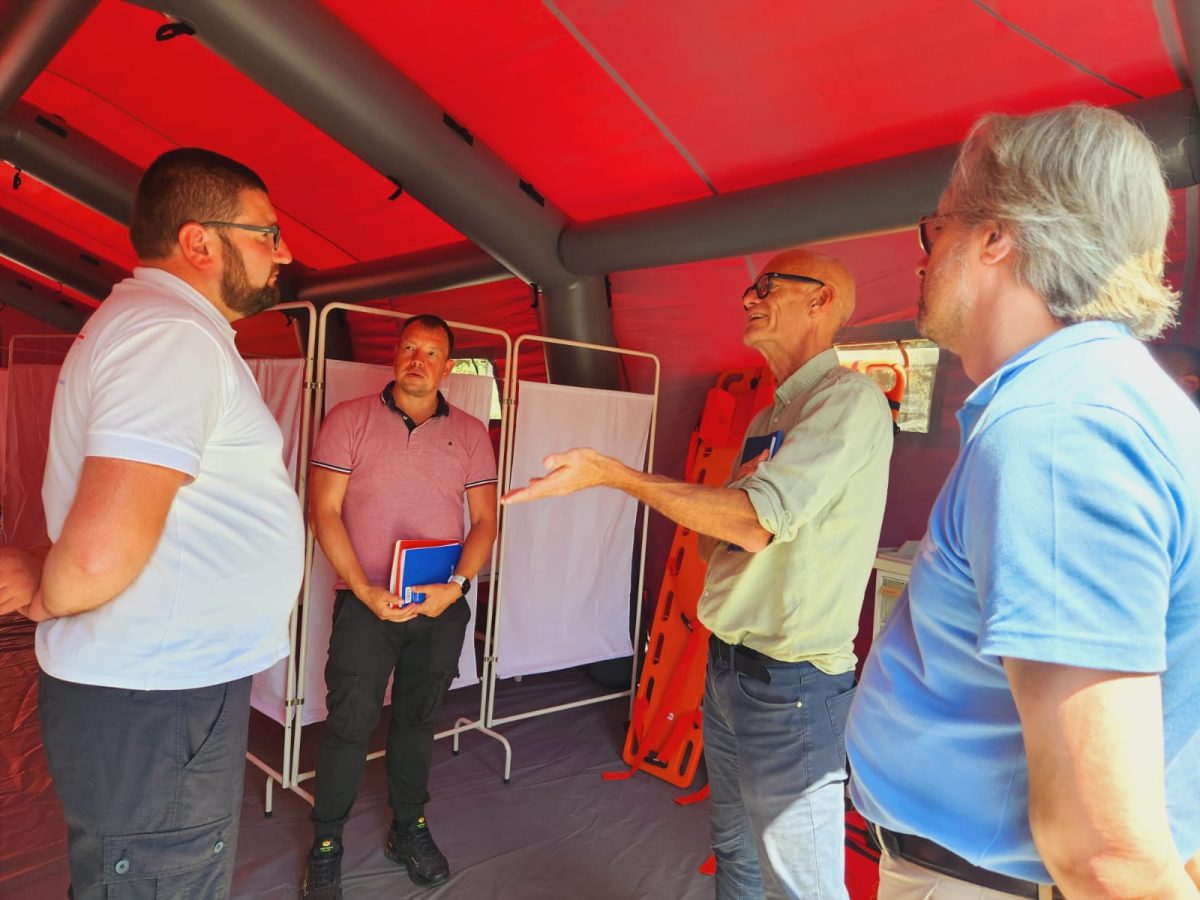
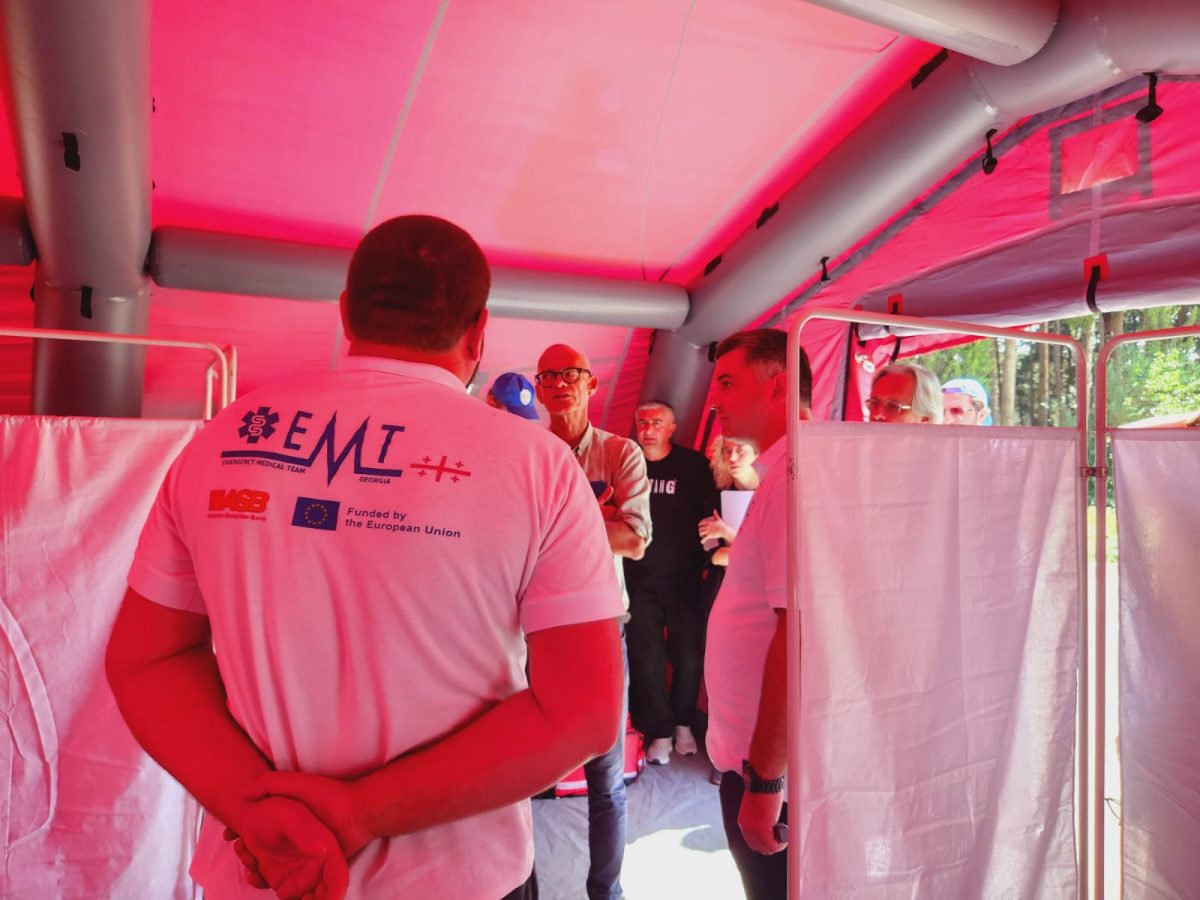
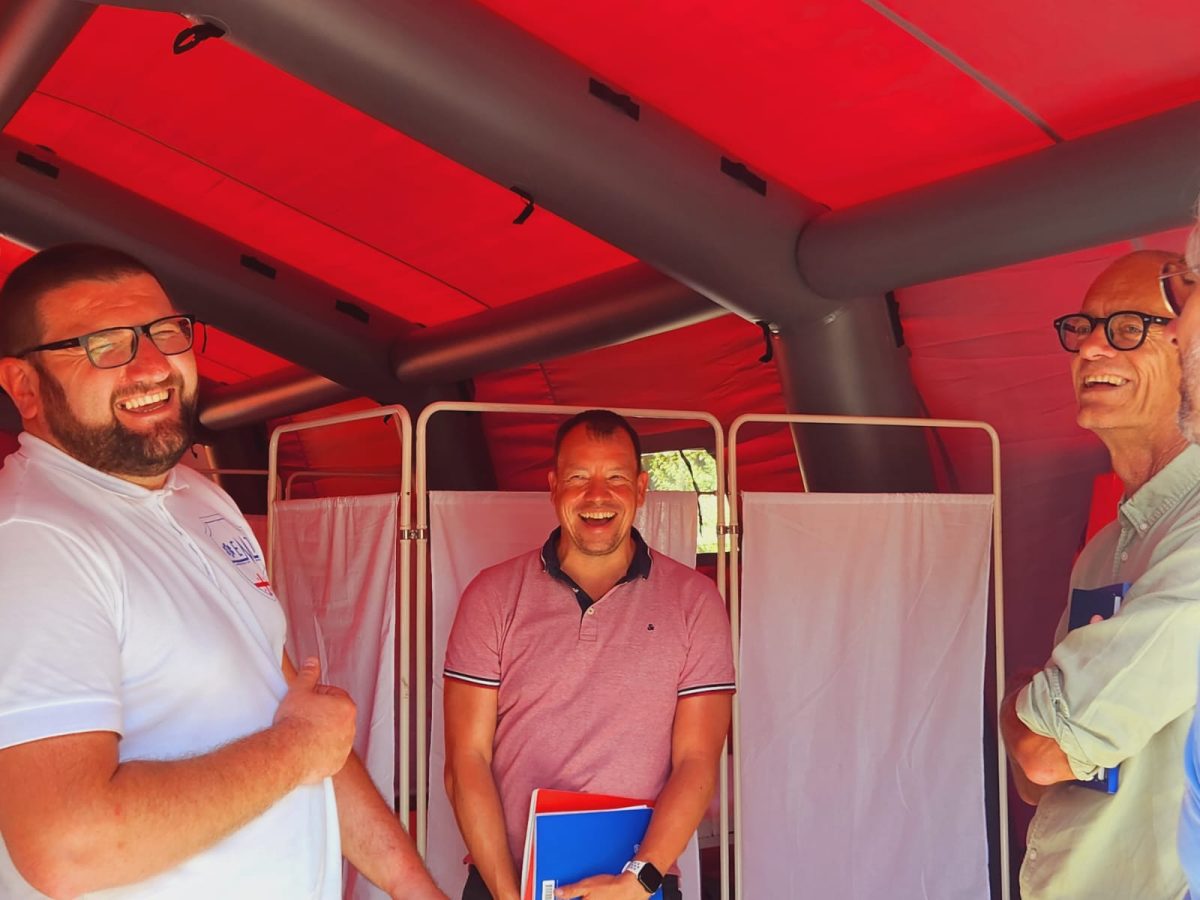
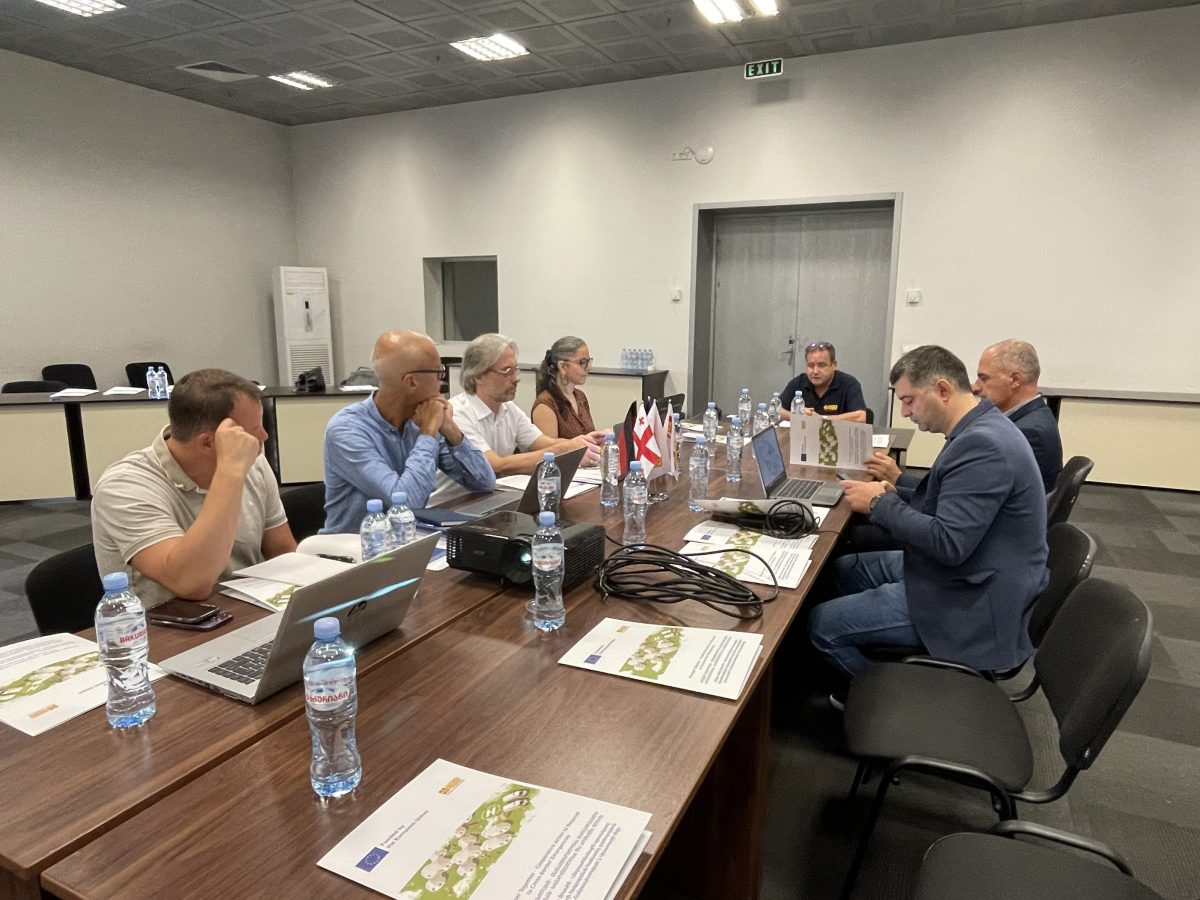
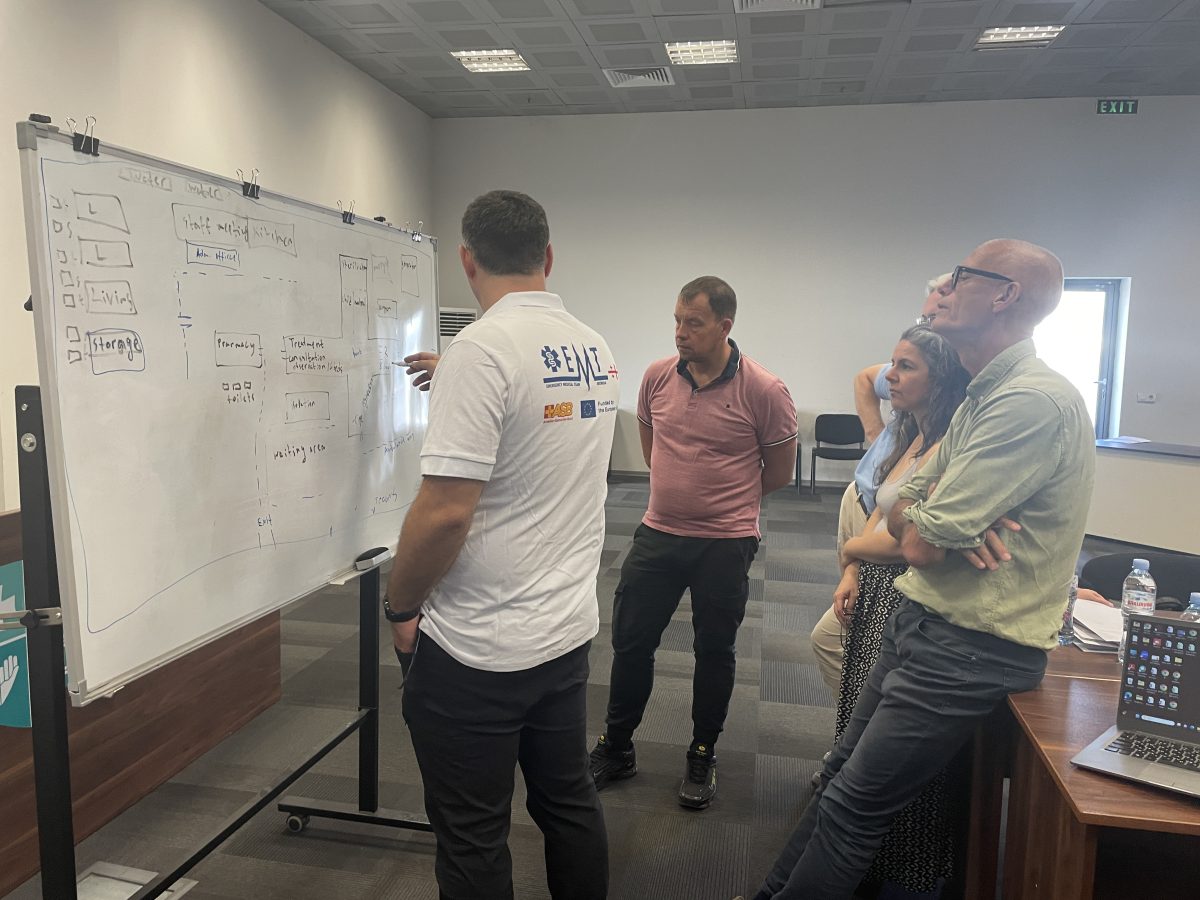
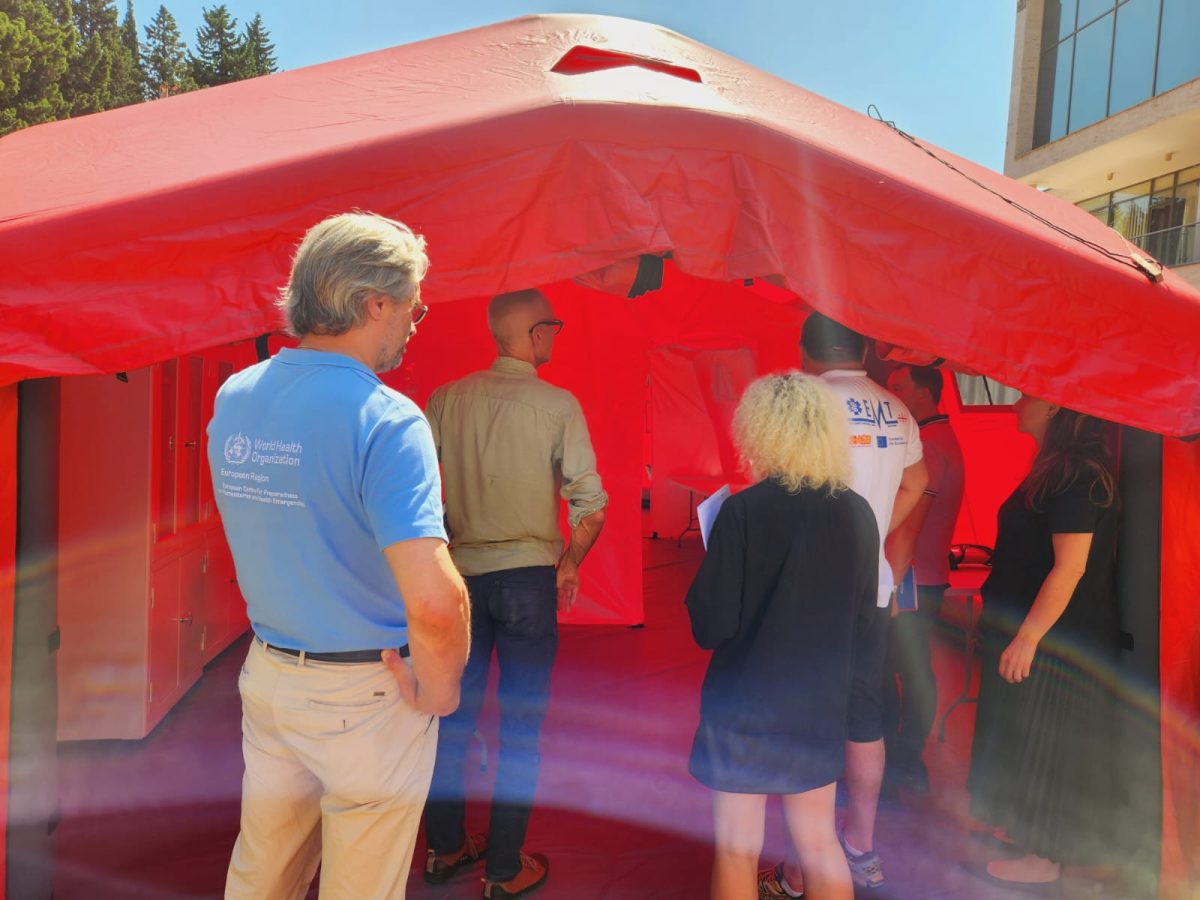
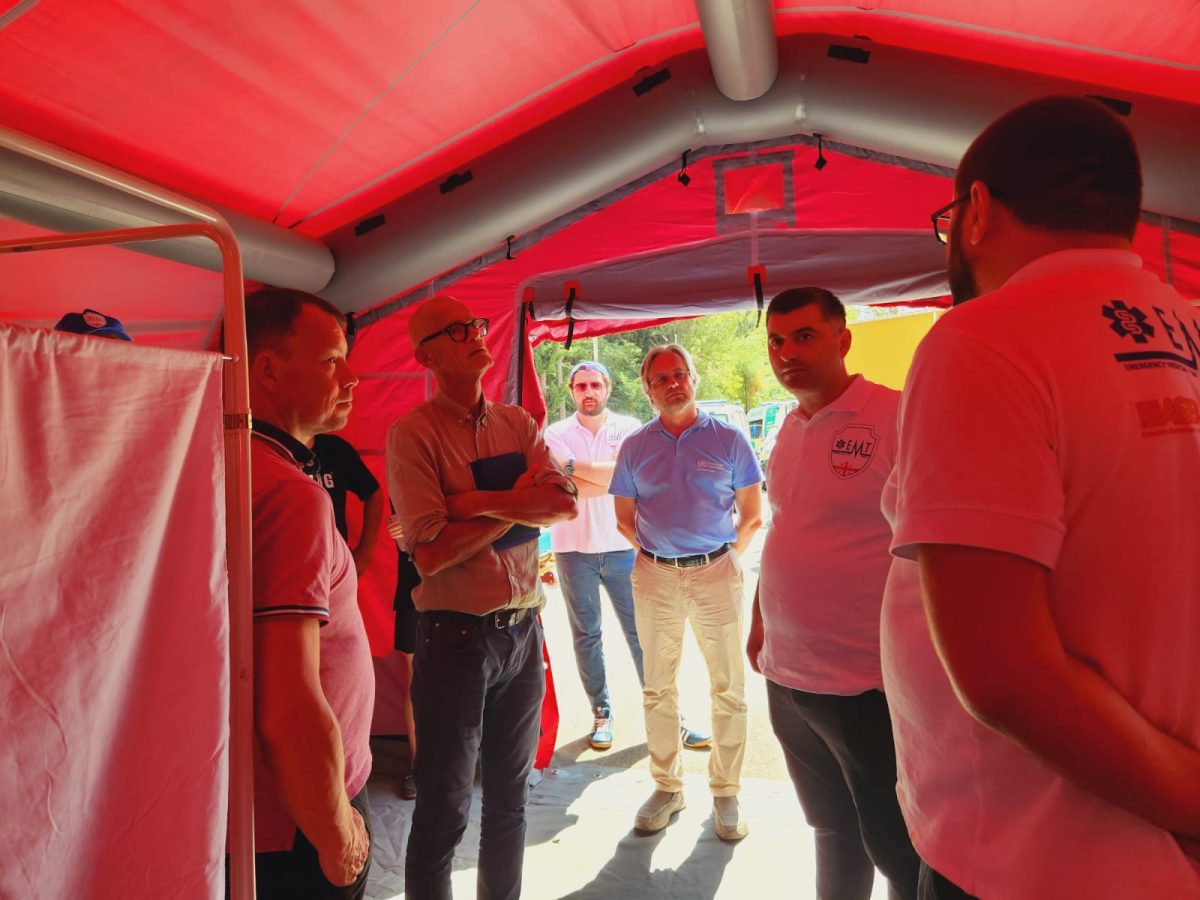
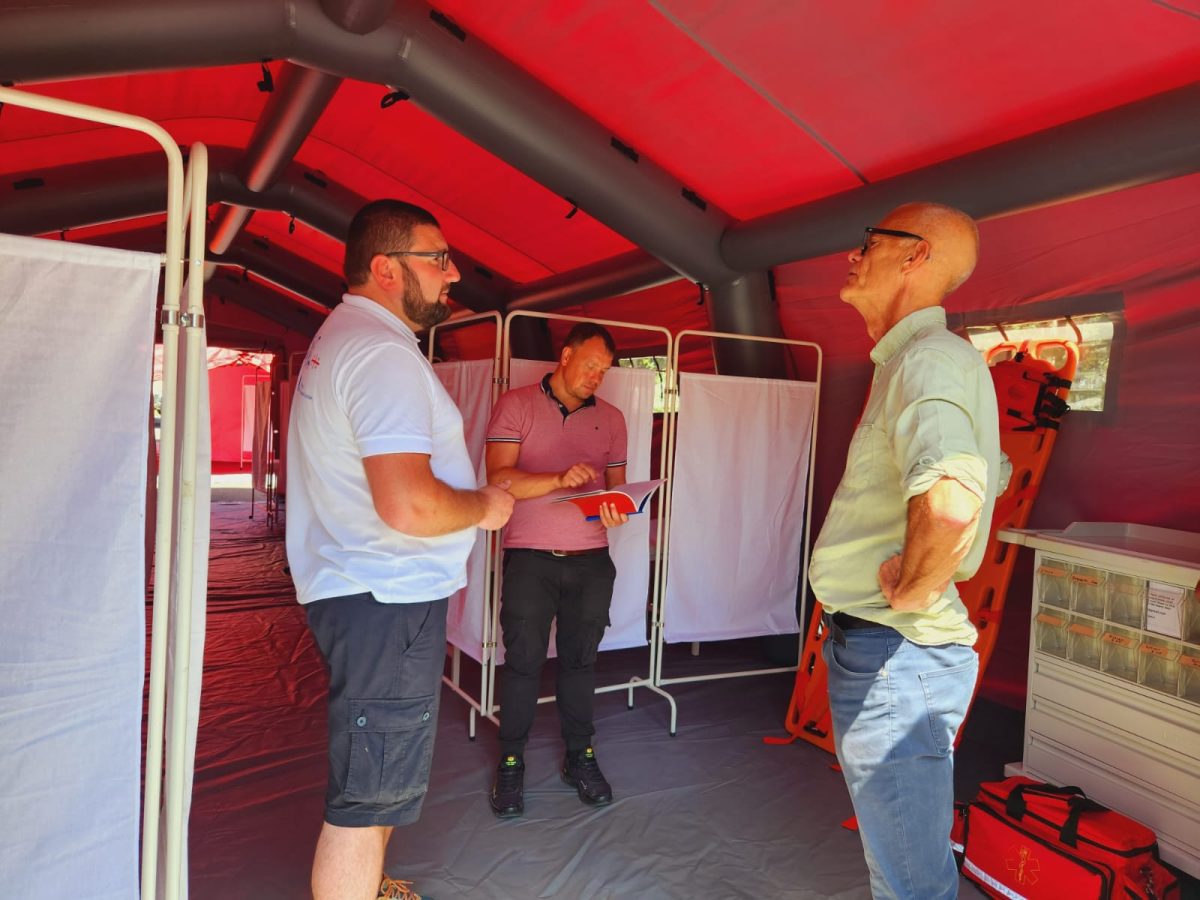
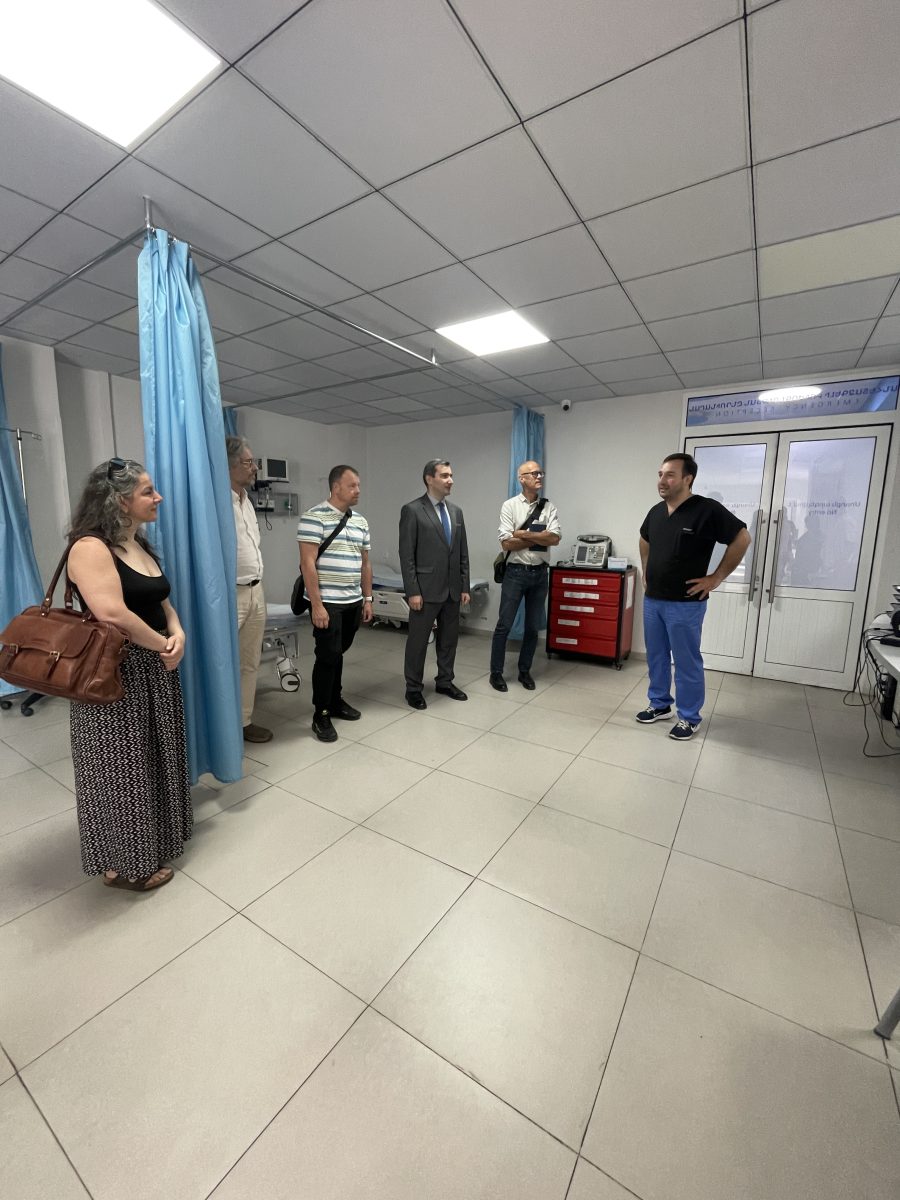
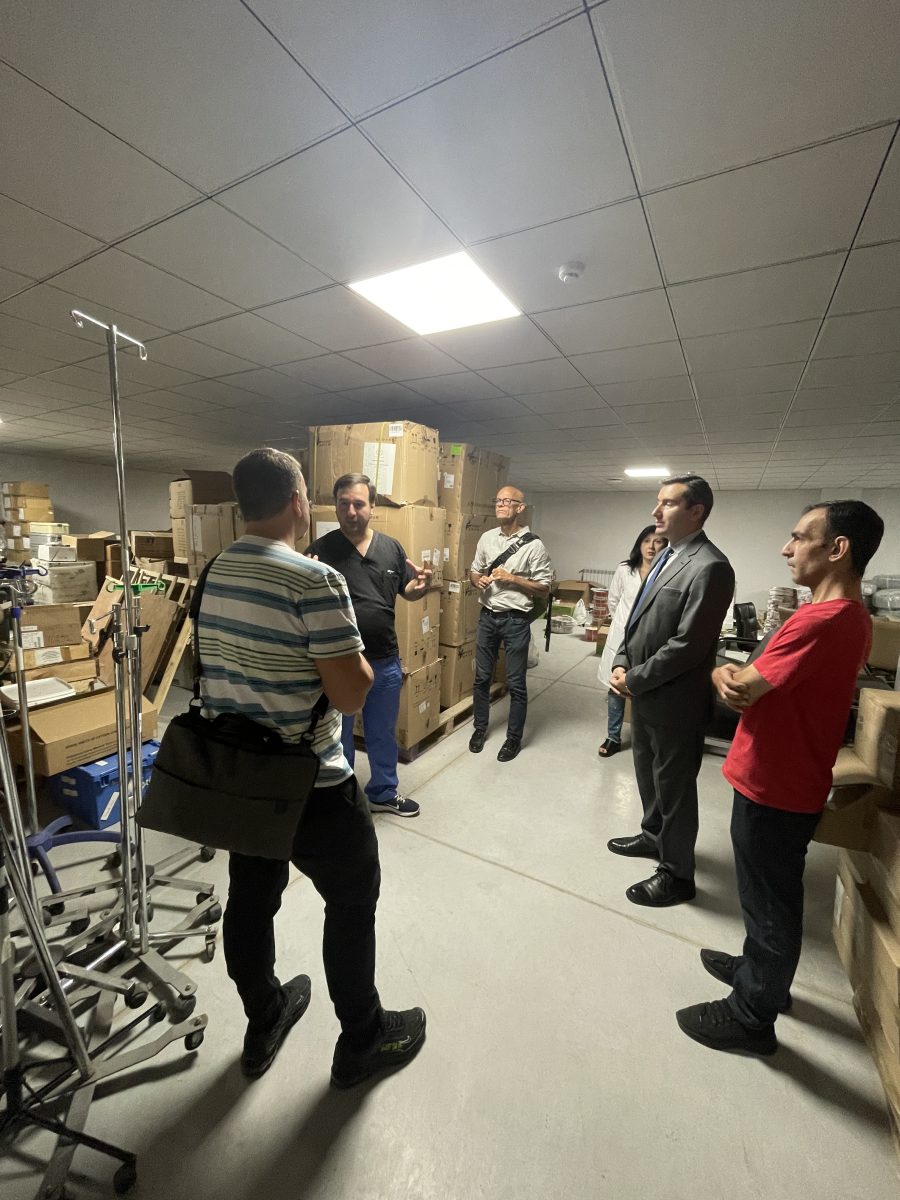
The mentorship process also included in-country visits by international EMT experts, who met directly with EMT leadership and team members in both Georgia and Armenia. During these visits, mentors reviewed the teams’ development progress, discussed organizational structures and operational procedures, and provided recommendations on the next steps required to align the teams with international EMT standards.
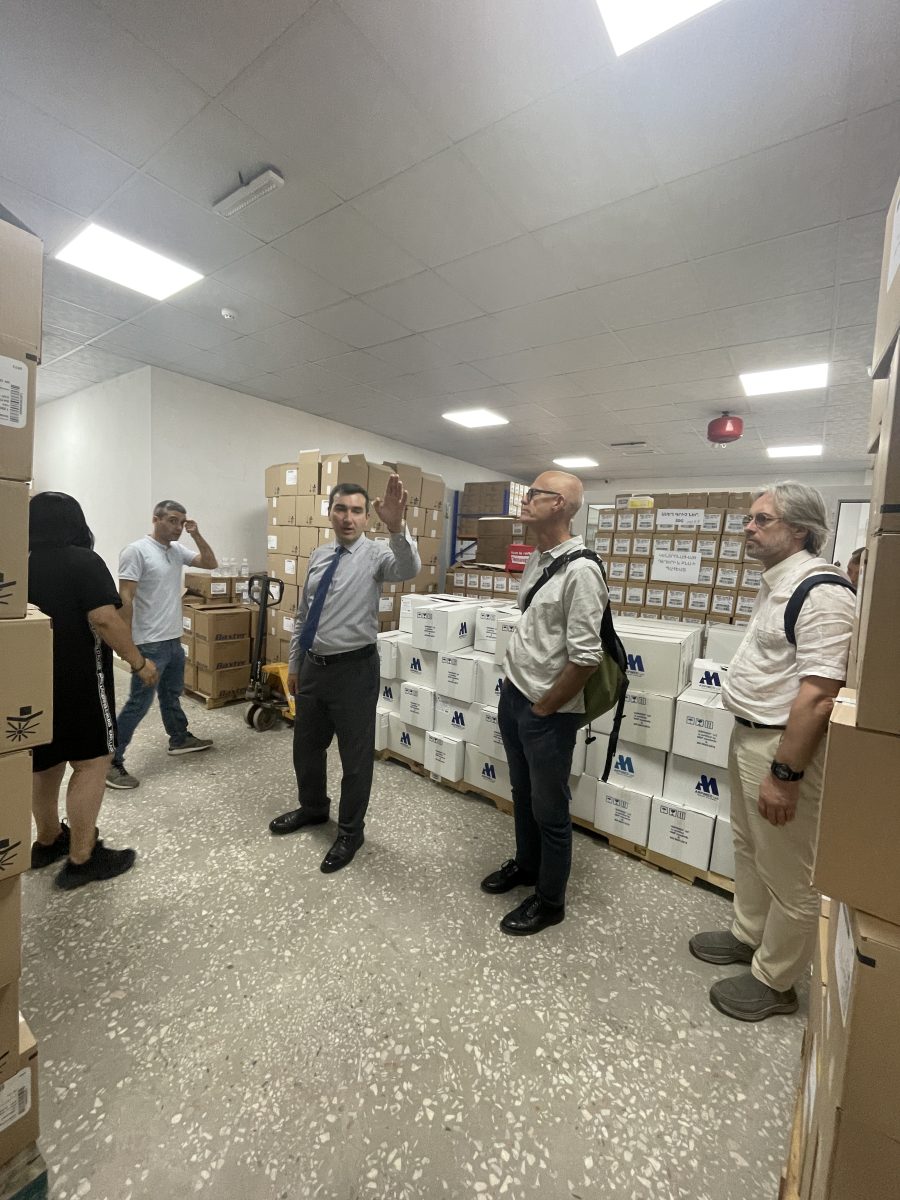
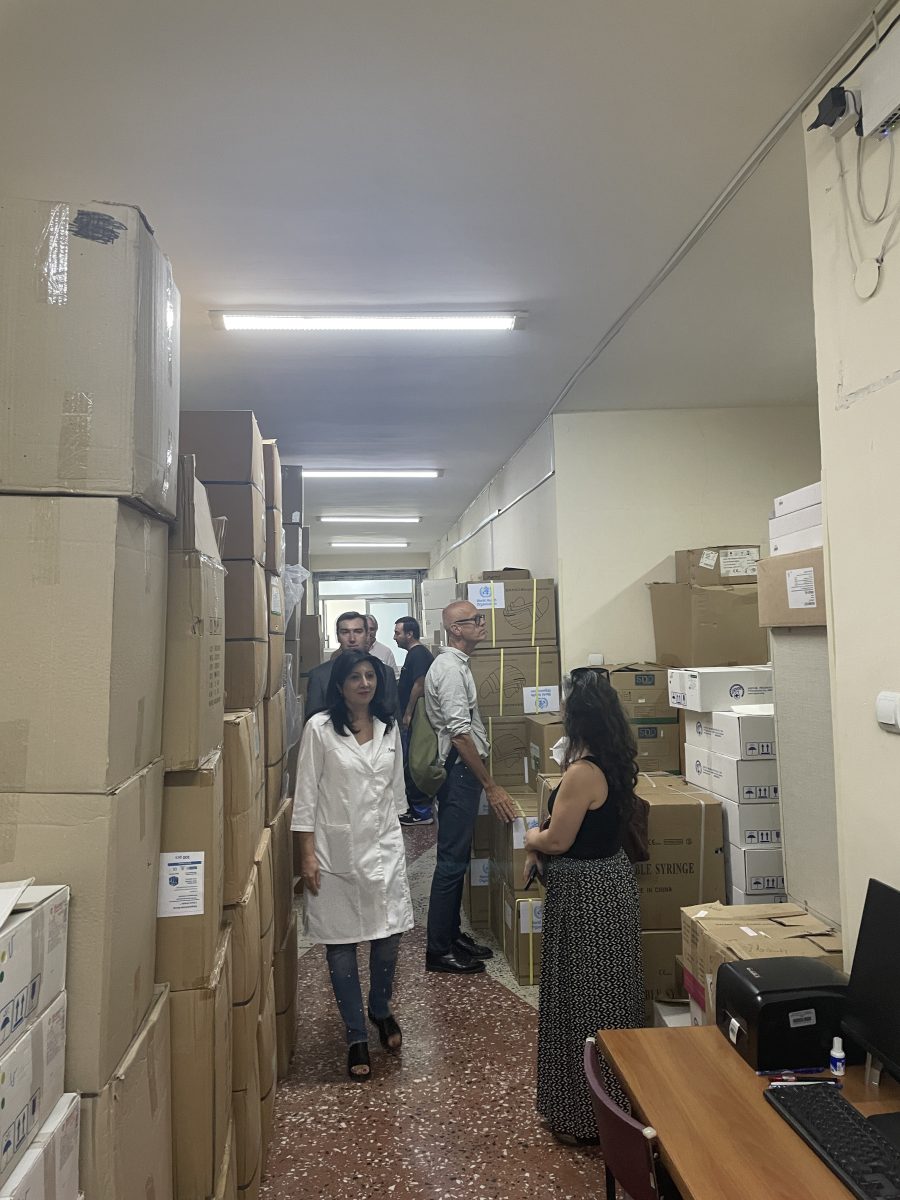
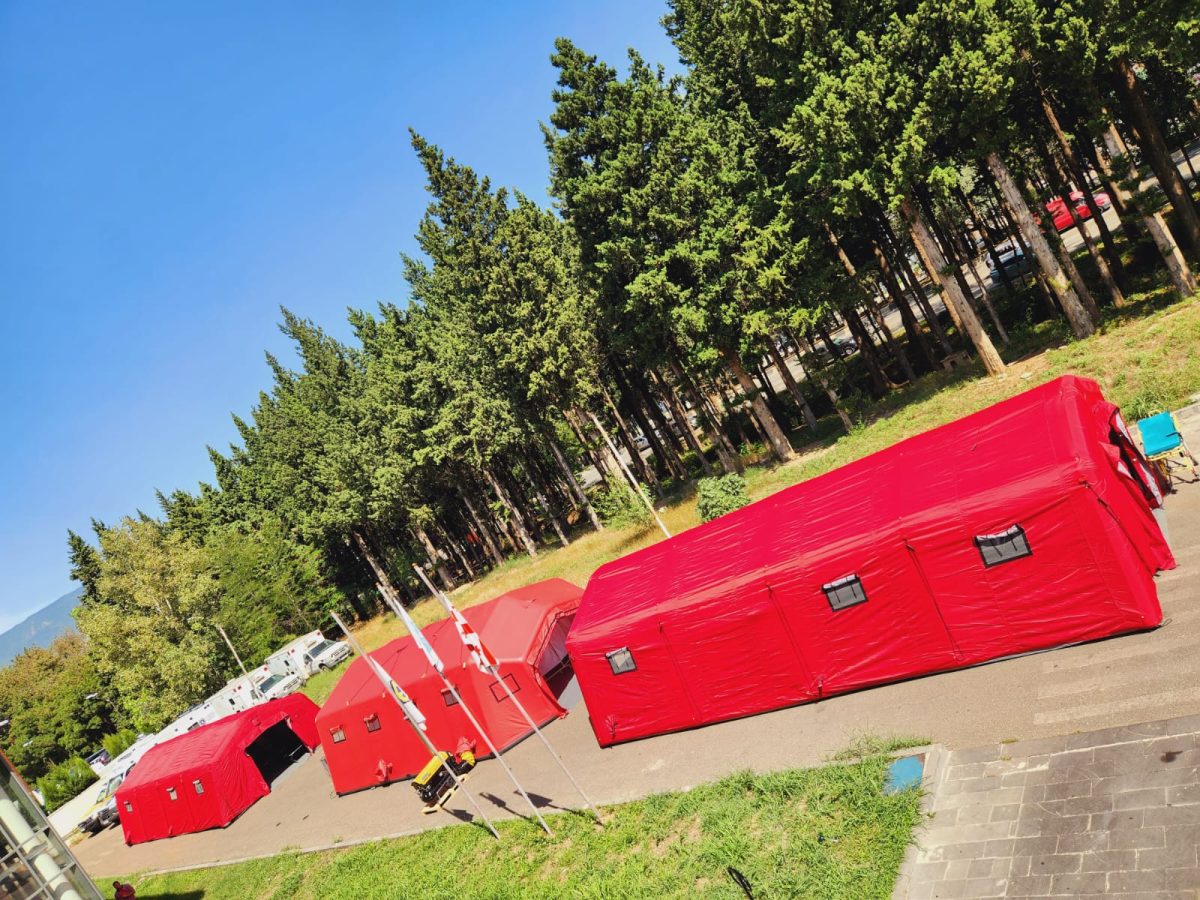
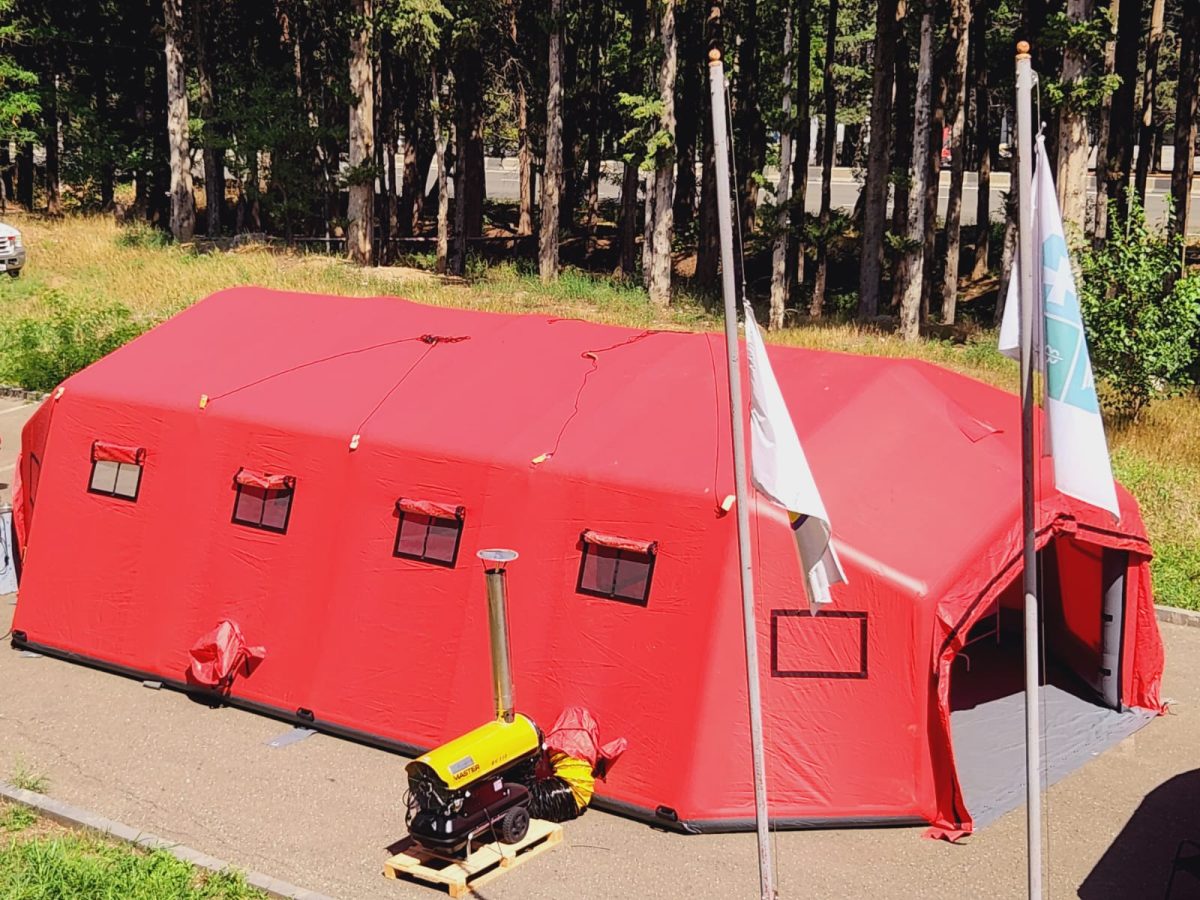
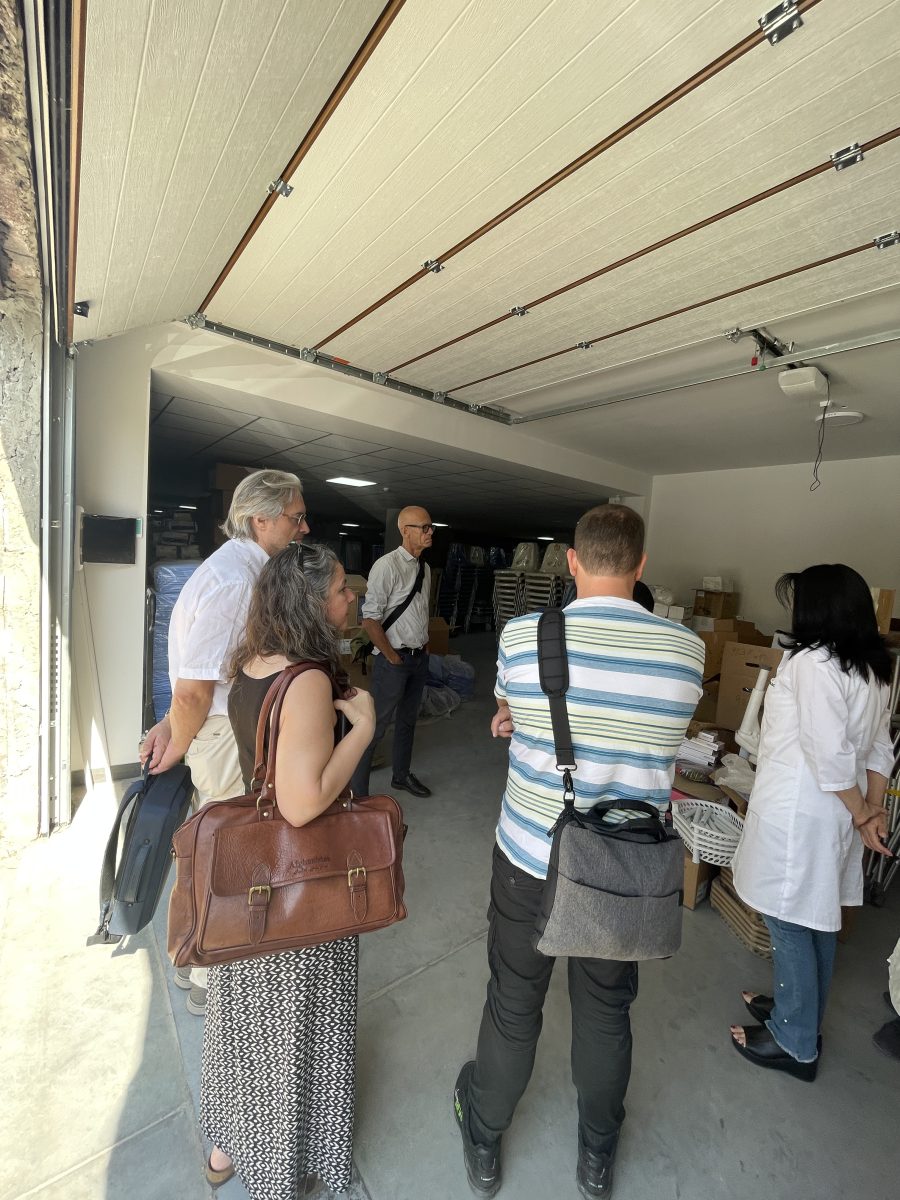
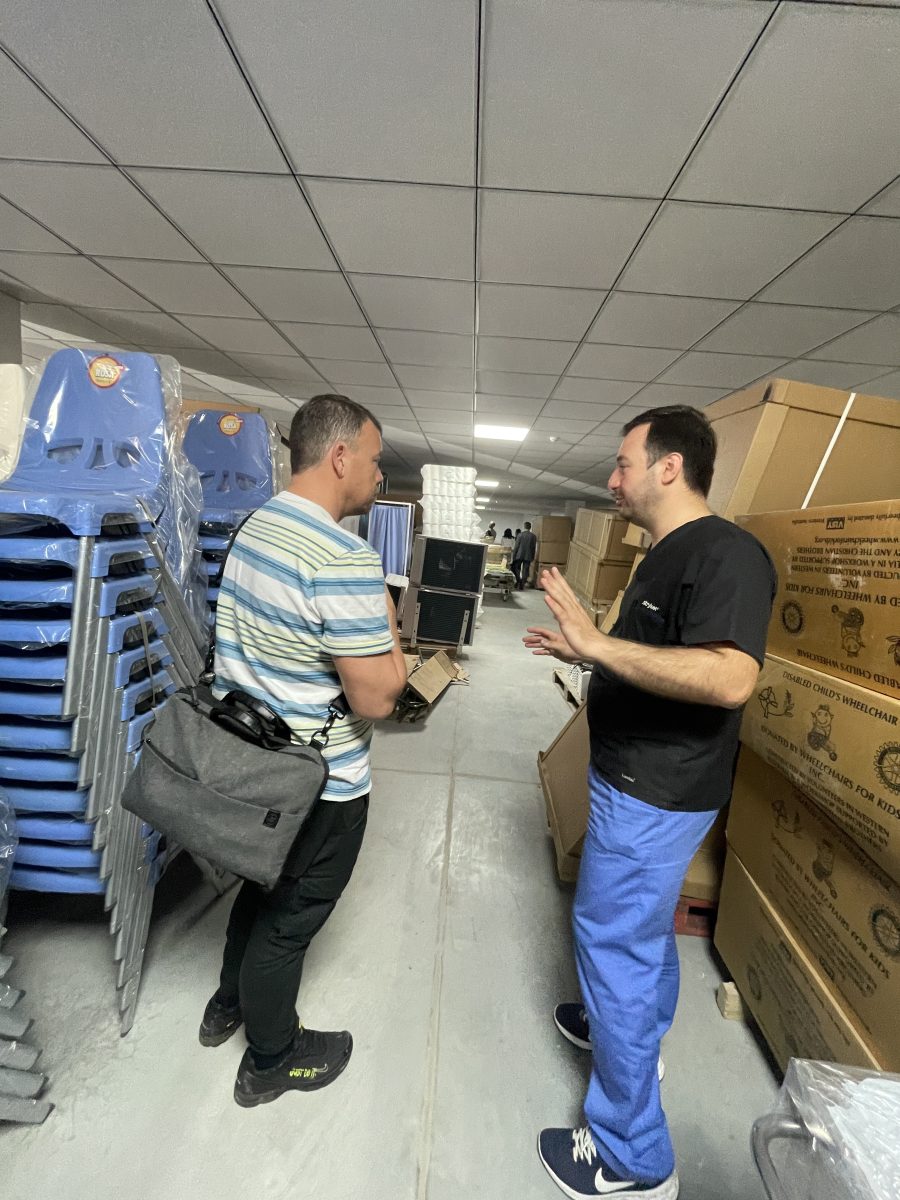
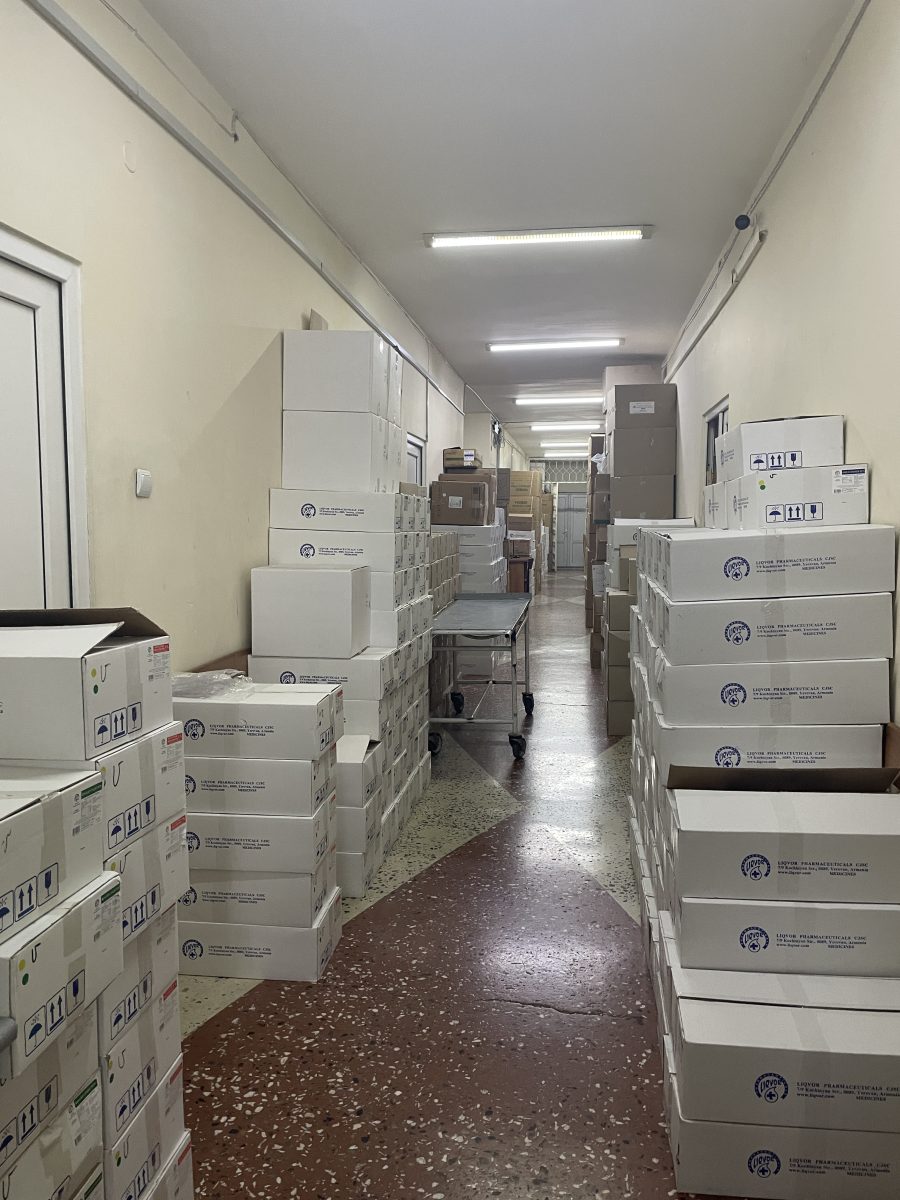
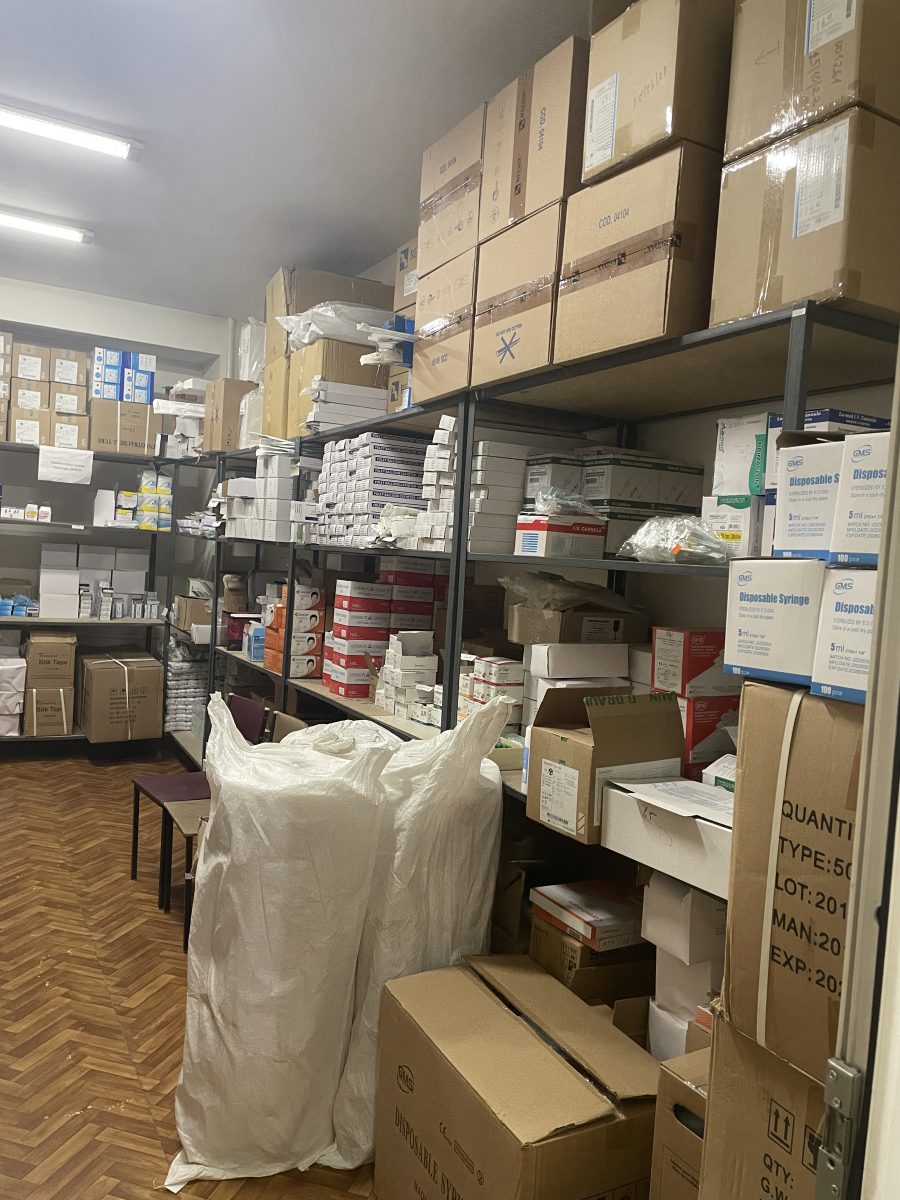
The mentors visited key operational sites, including training facilities, medical centers, and designated warehouses for EMT equipment, and assessed the teams’ preparedness for deployment. Discussions focused on improving logistics systems, strengthening governance arrangements, expanding staff rosters, and finalizing essential documentation such as SOPs and self-assessment checklists.
The mentorship process also helped both teams develop clear roadmaps and timelines for further progress, including the preparation of documentation, completion of equipment procurement, and organization of training and simulation exercises necessary before the pre-verification and verification stages of the WHO EMT classification process.
Through continuous dialogue, technical support, and on-site evaluations, the mentorship program strengthened cooperation between national institutions, international experts, and project partners. It also contributed significantly to building sustainable emergency medical response capacities in Georgia and Armenia and enhancing regional preparedness for large-scale emergencies and cross-border disaster response.