Induction trainings
Induction training for Georgian EMT
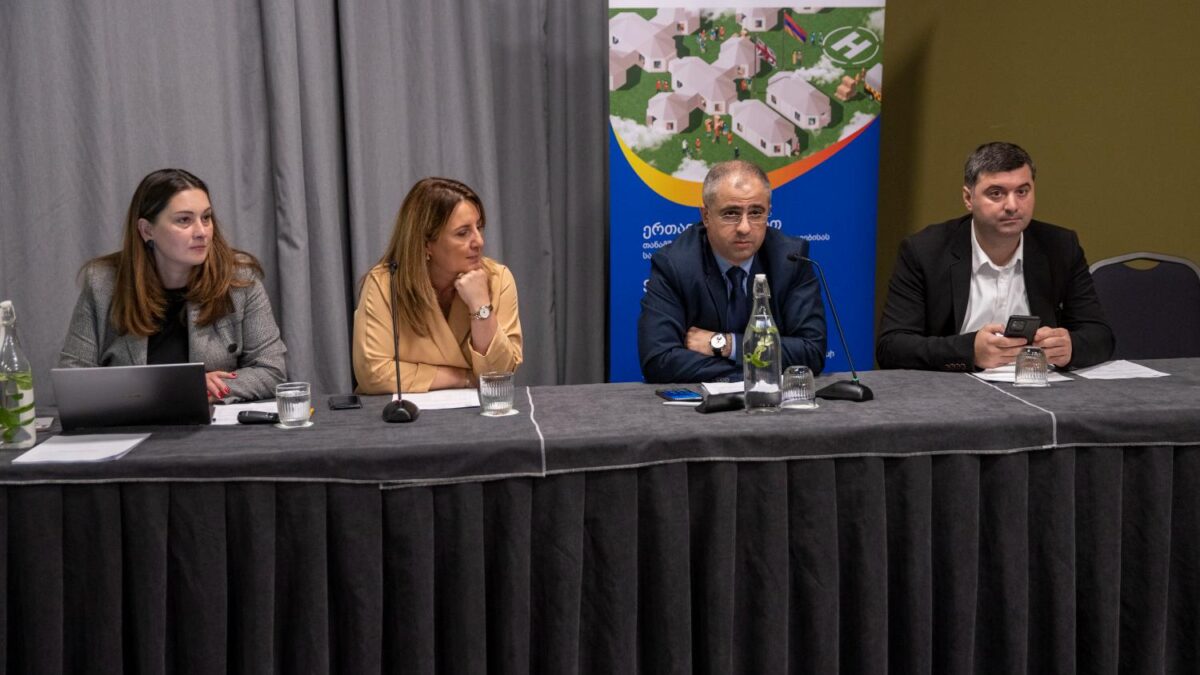
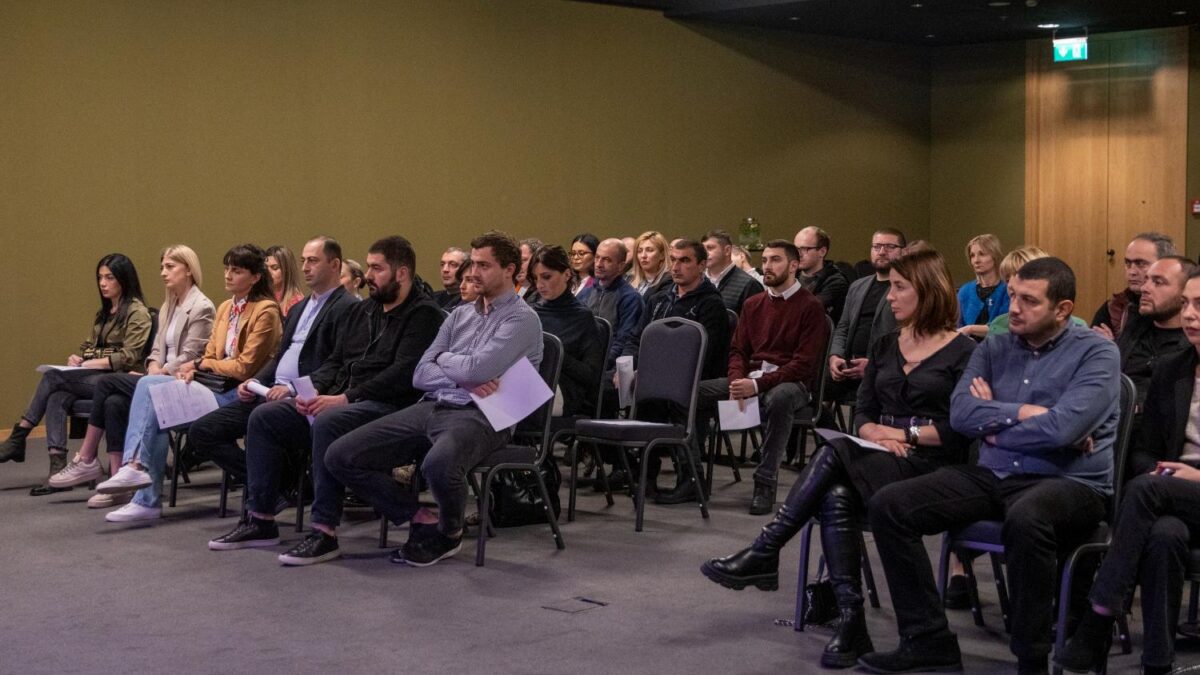
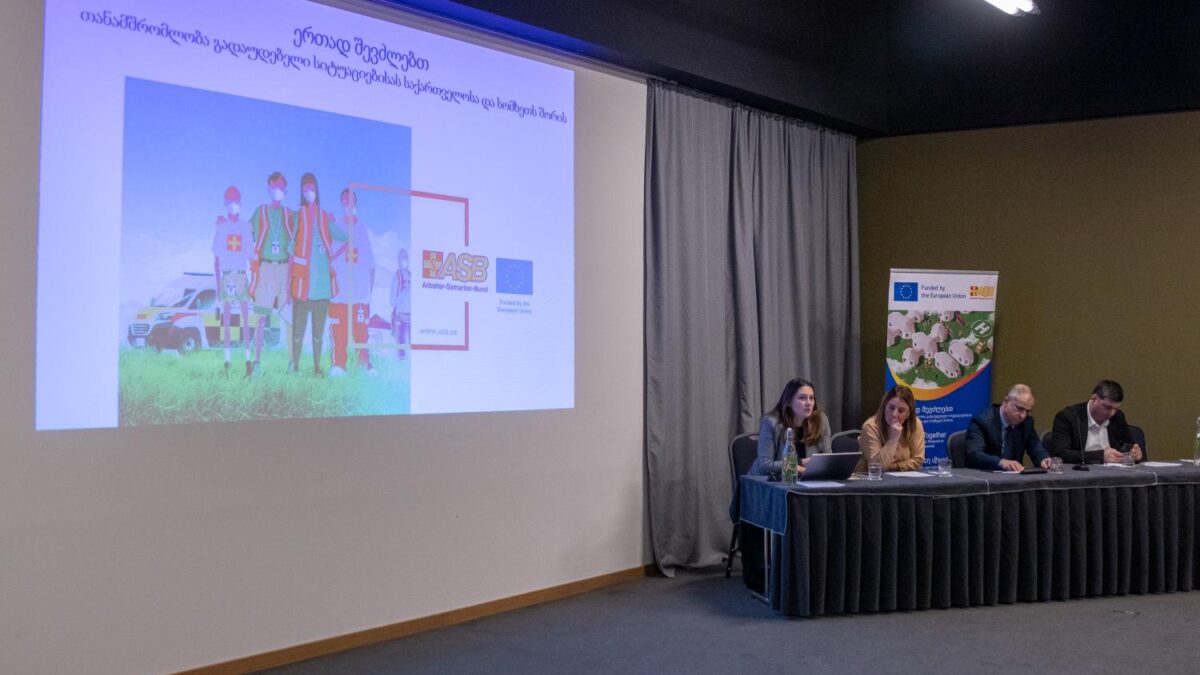
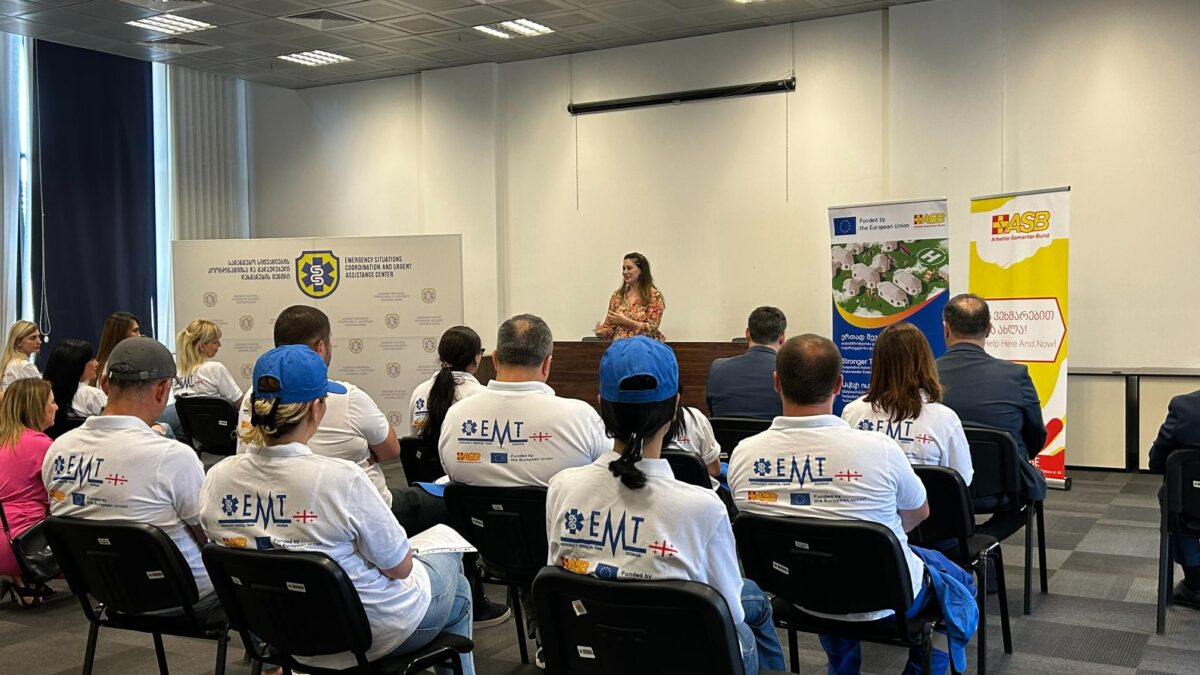
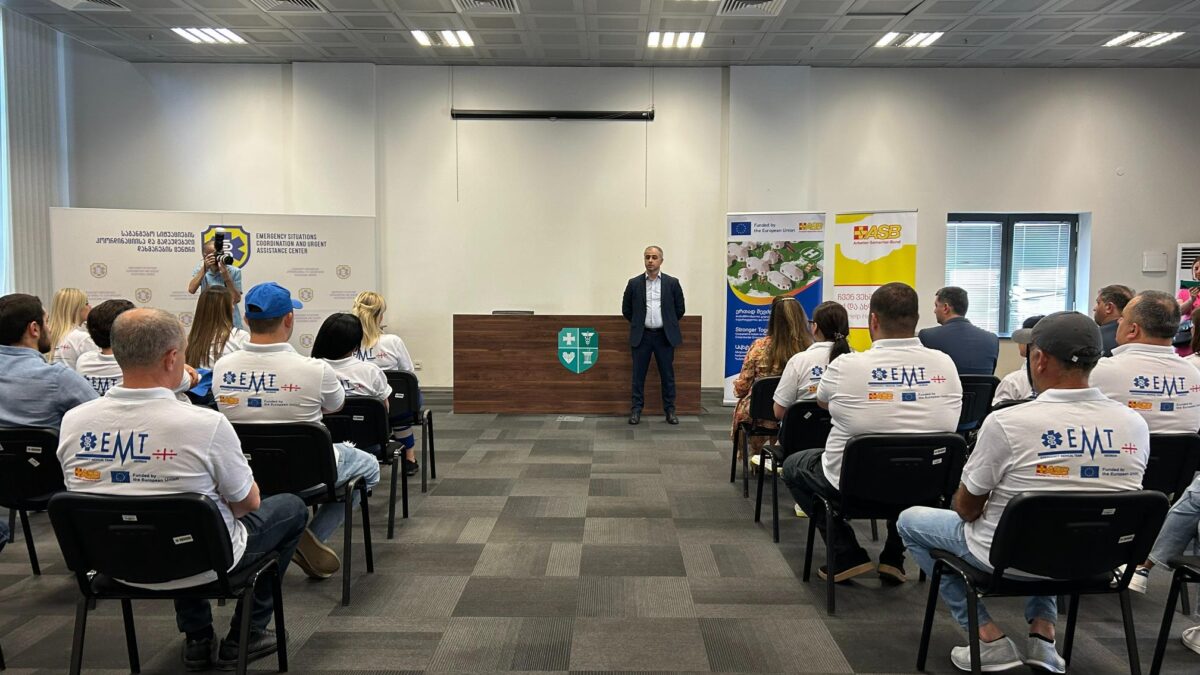
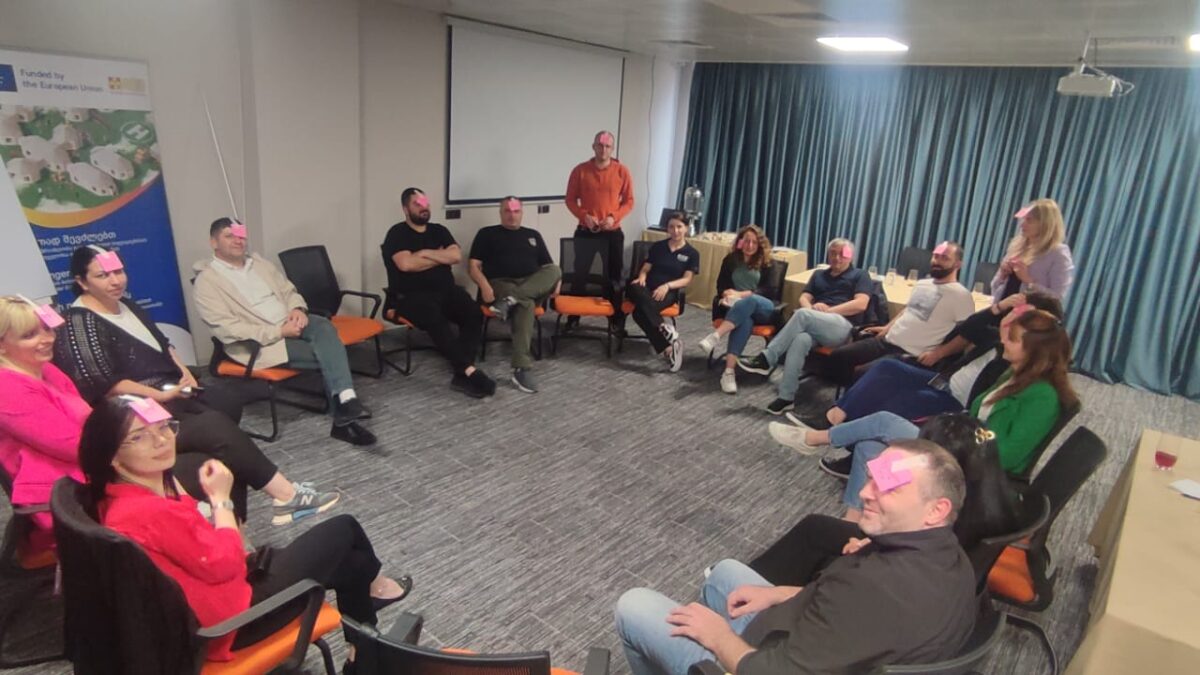
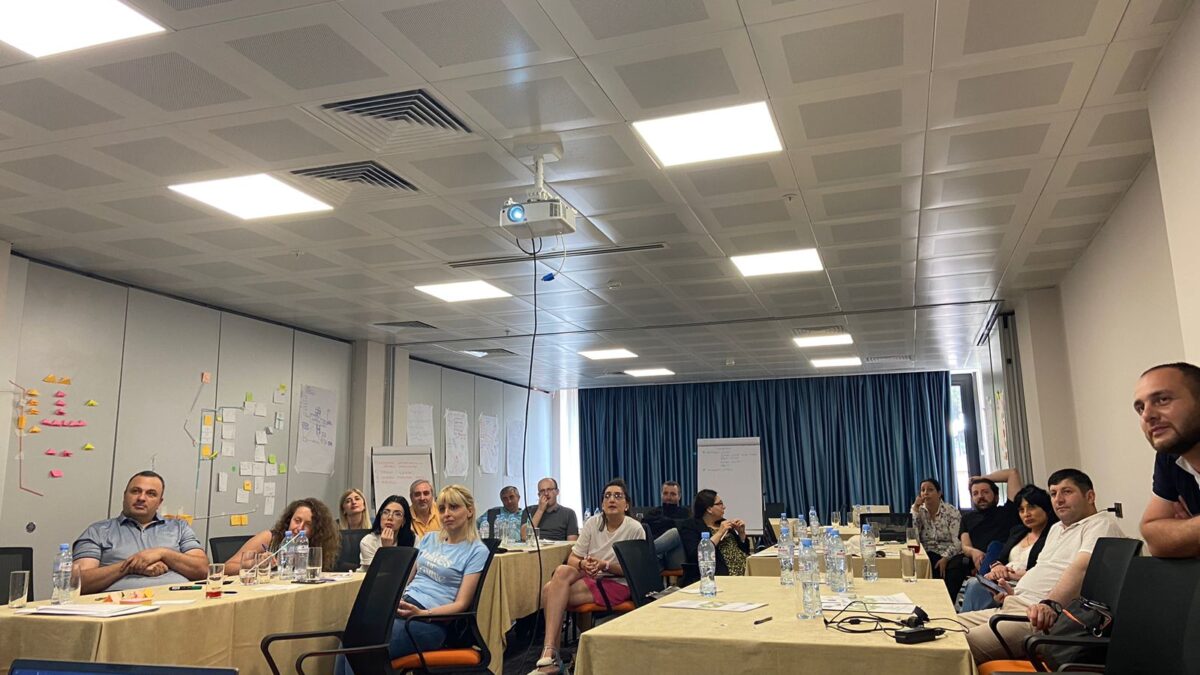
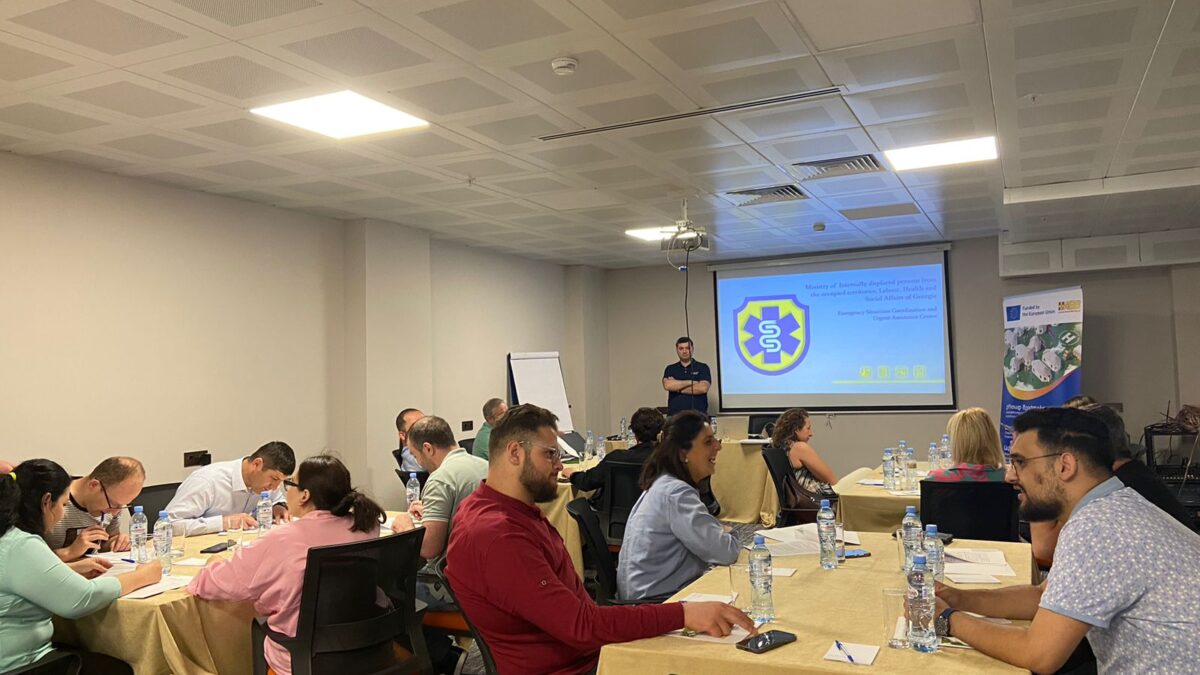
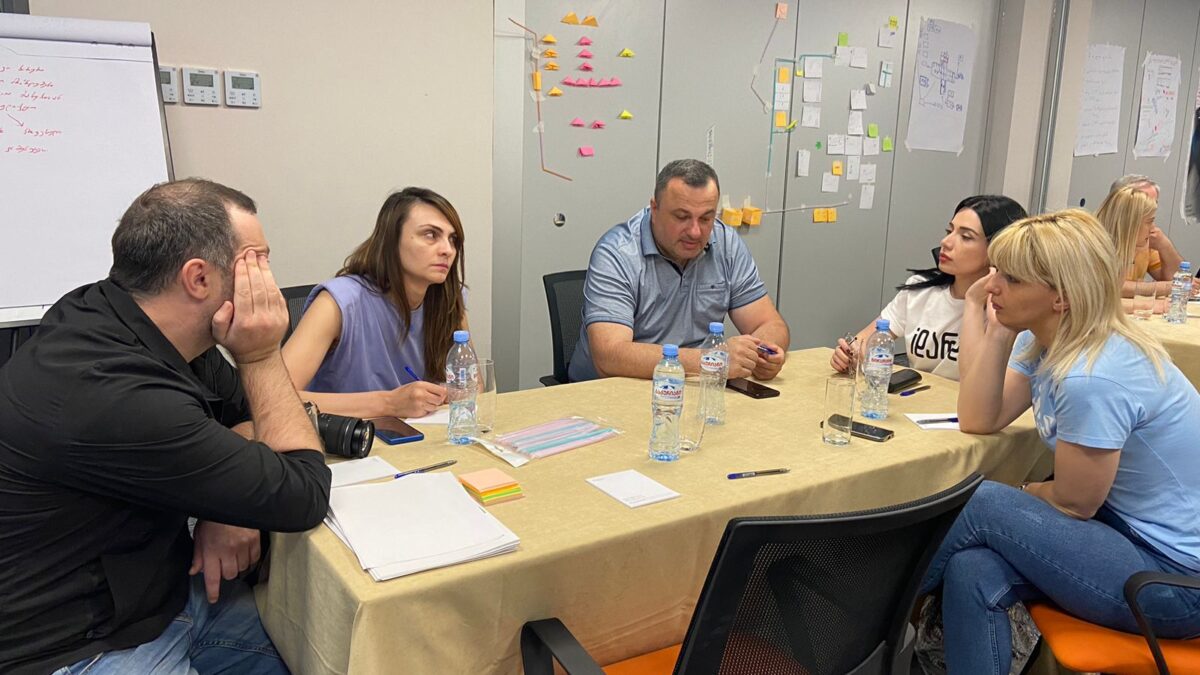
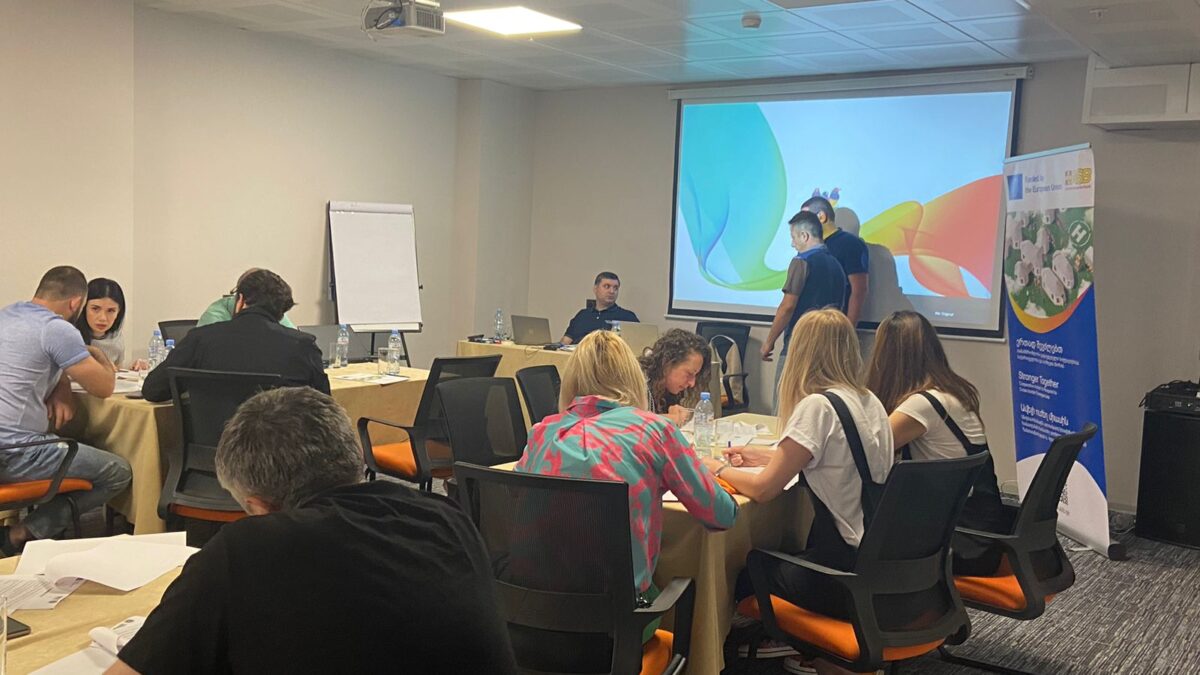
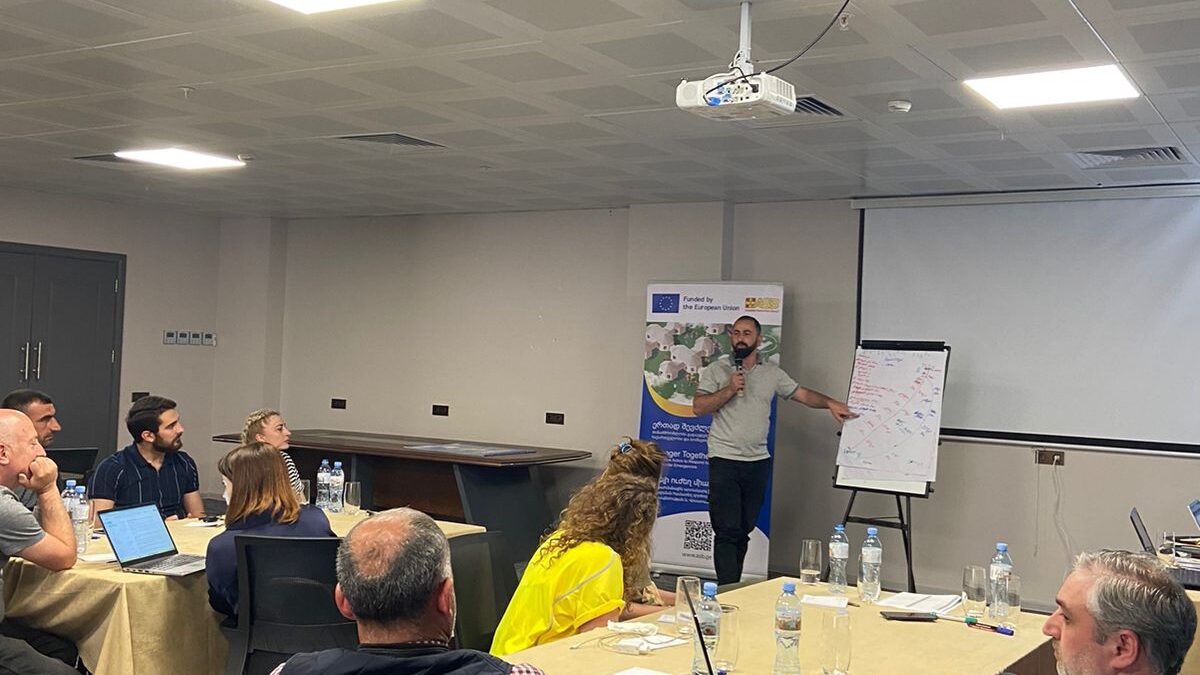
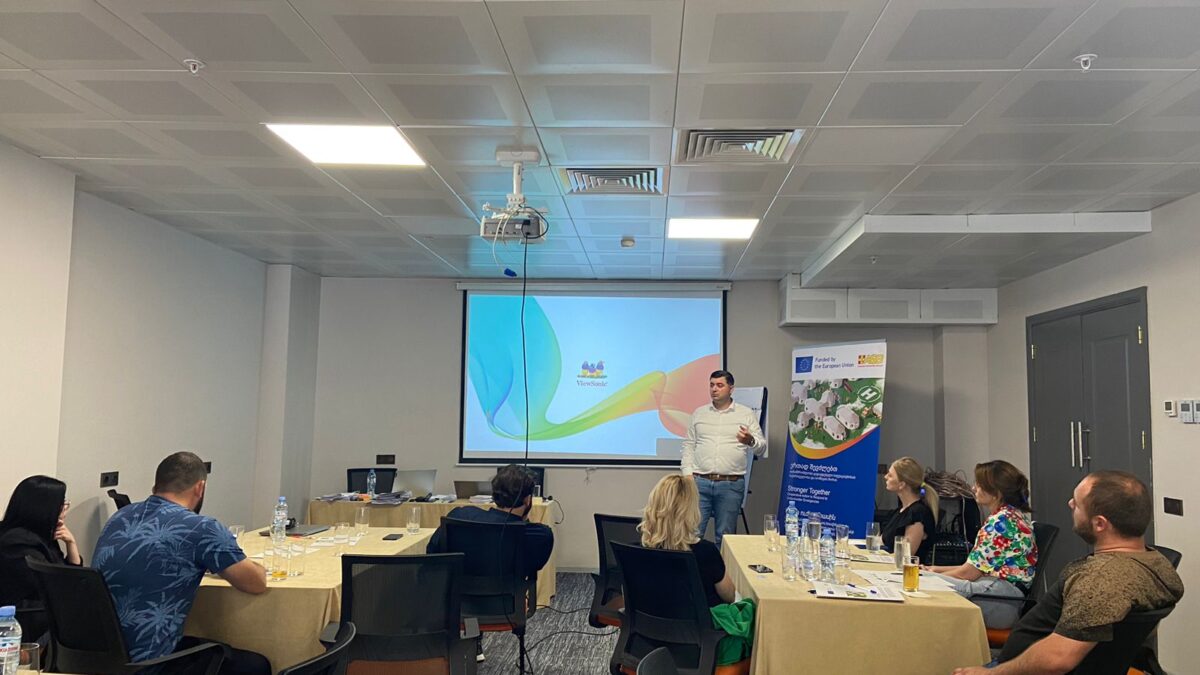
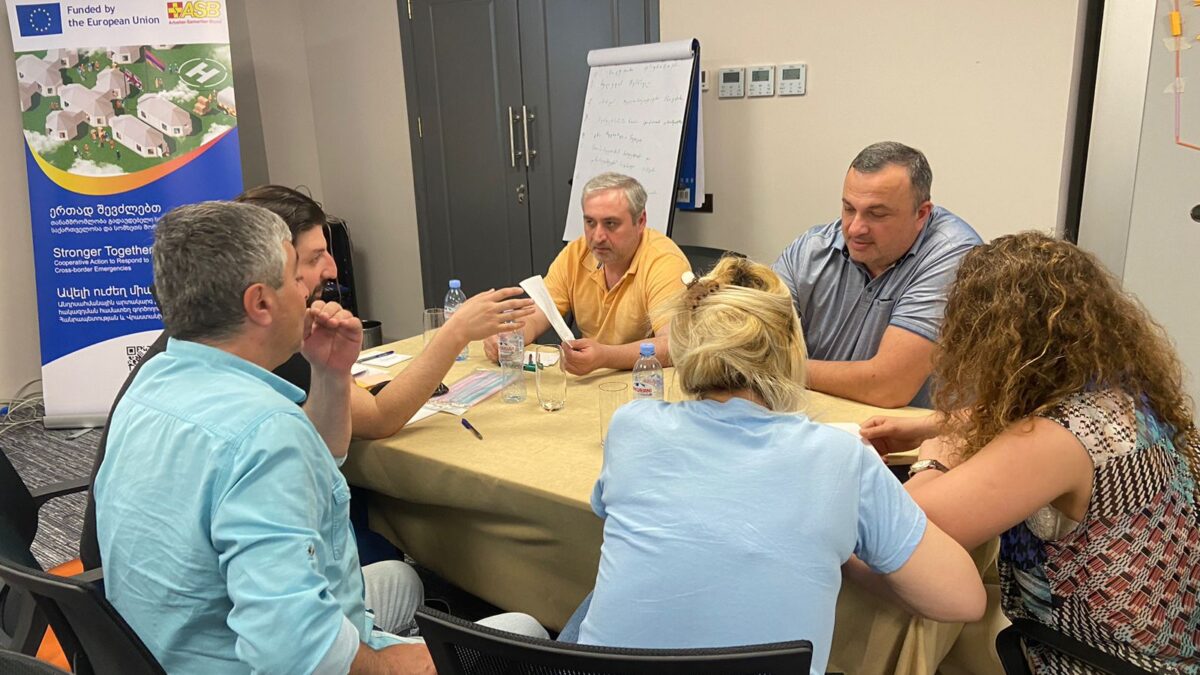
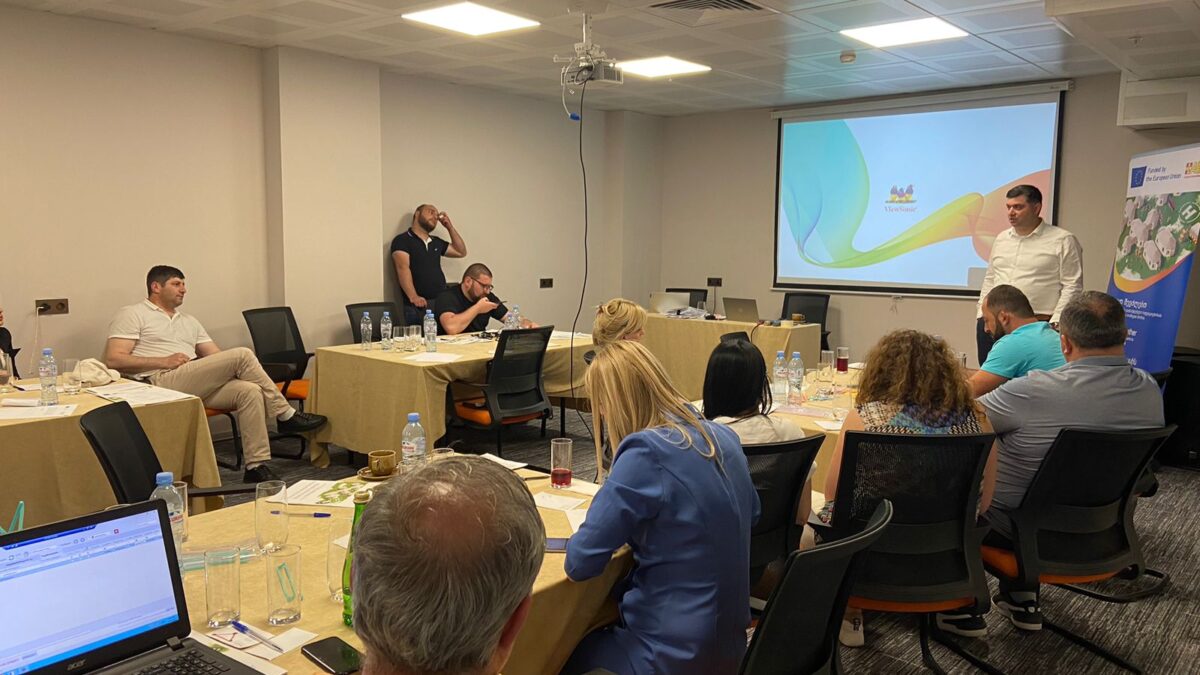
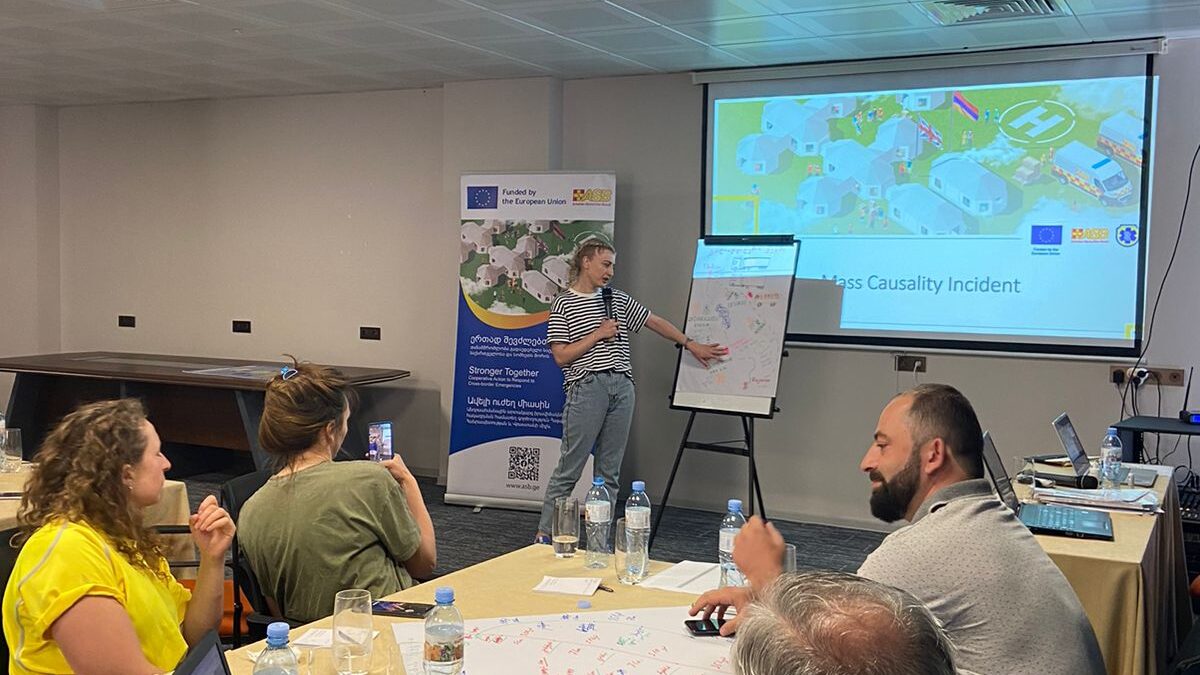
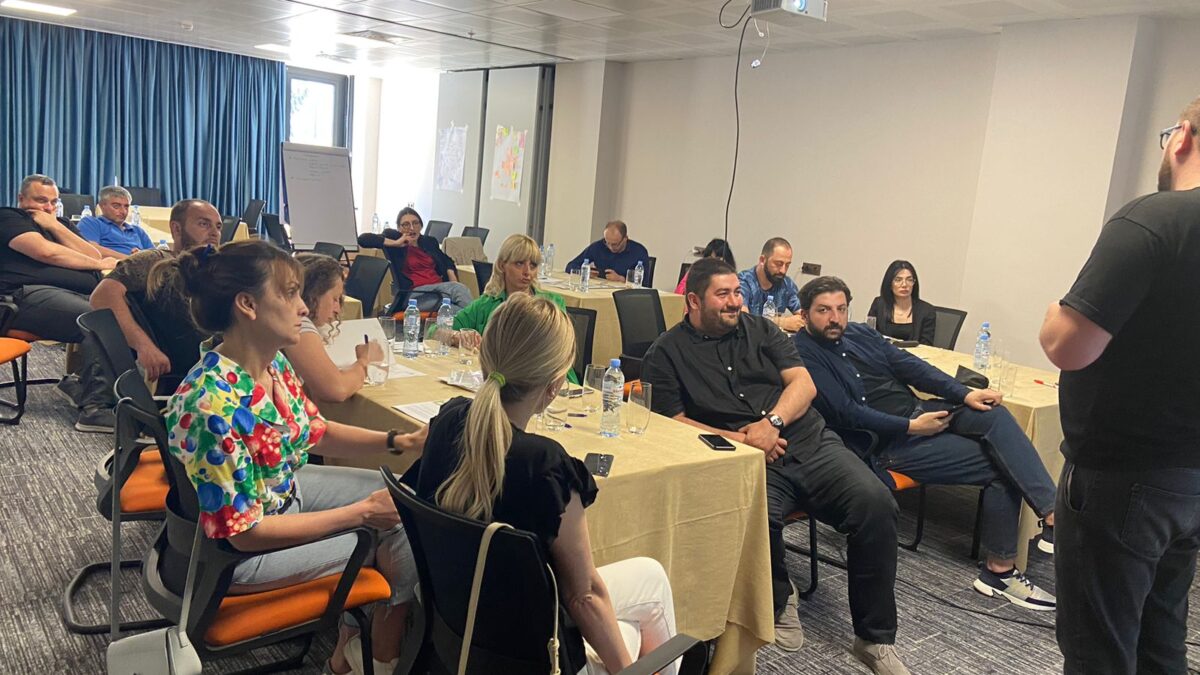
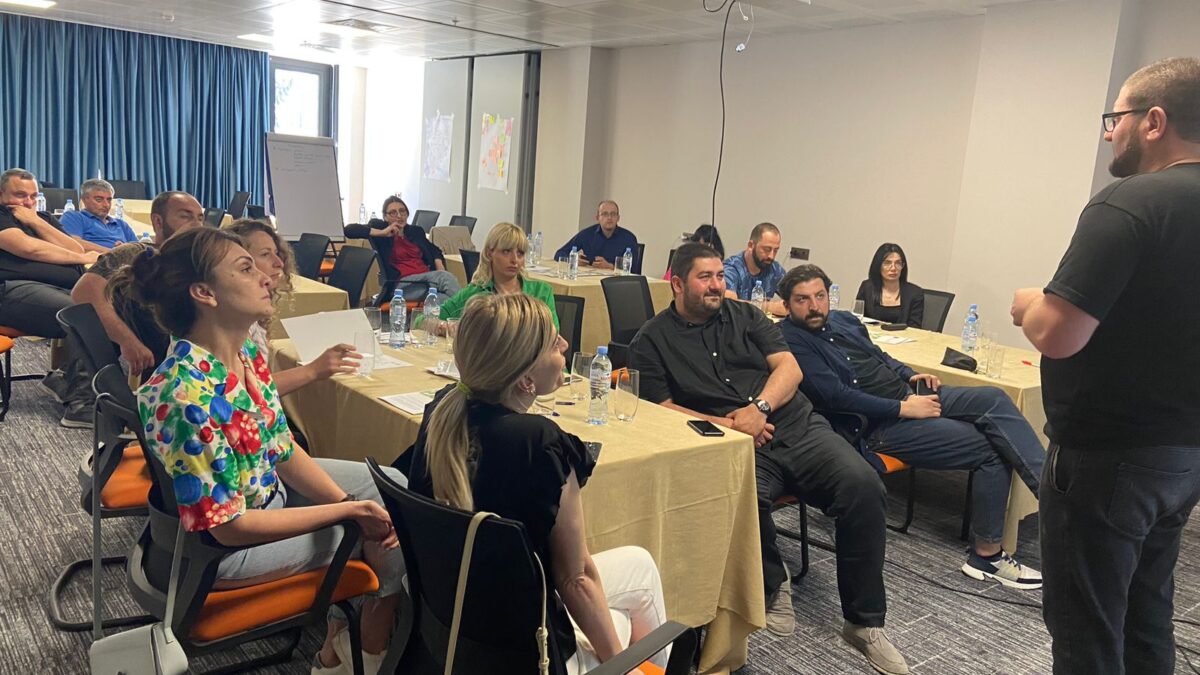
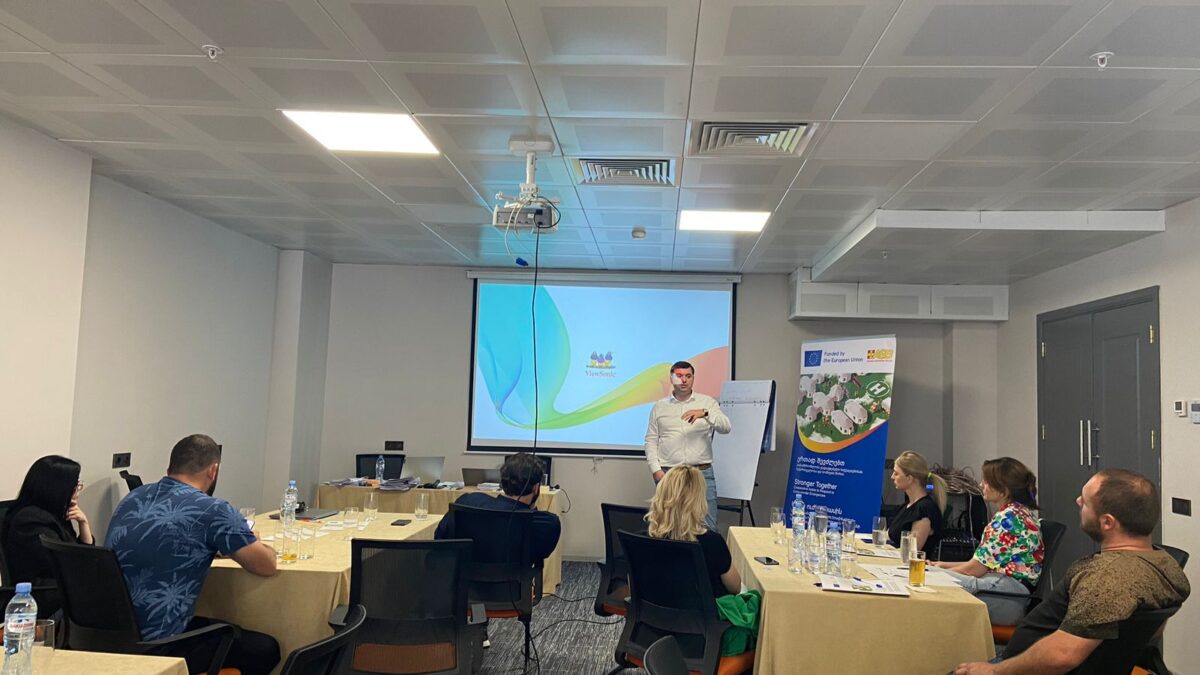
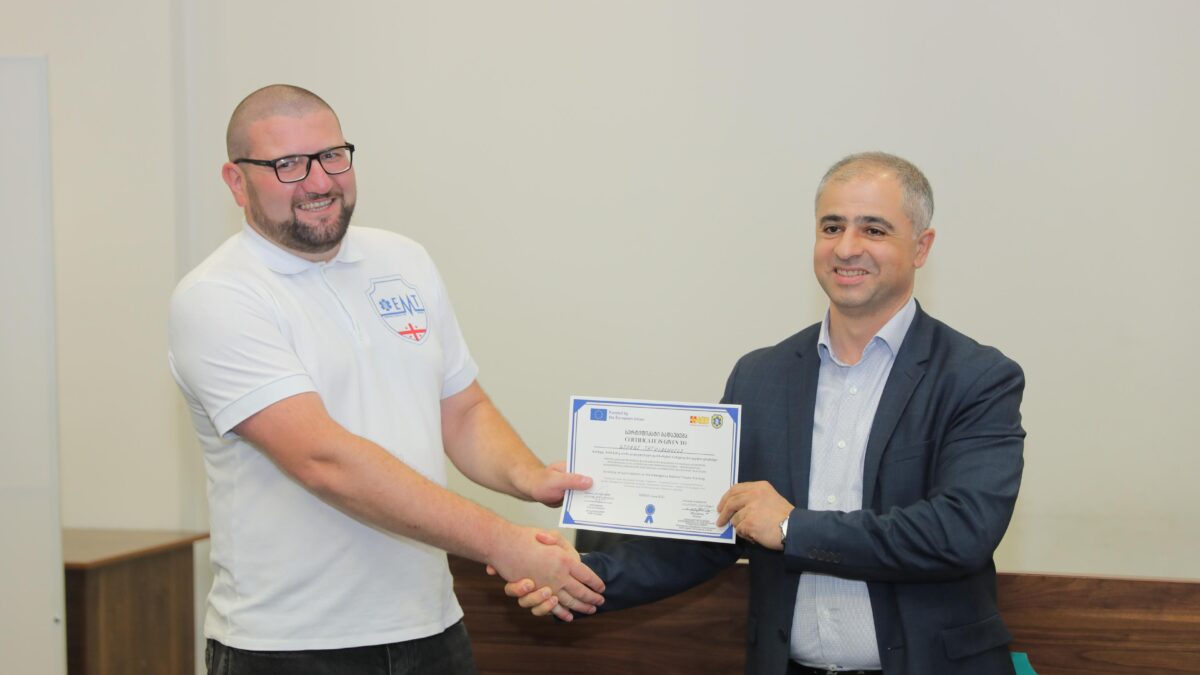
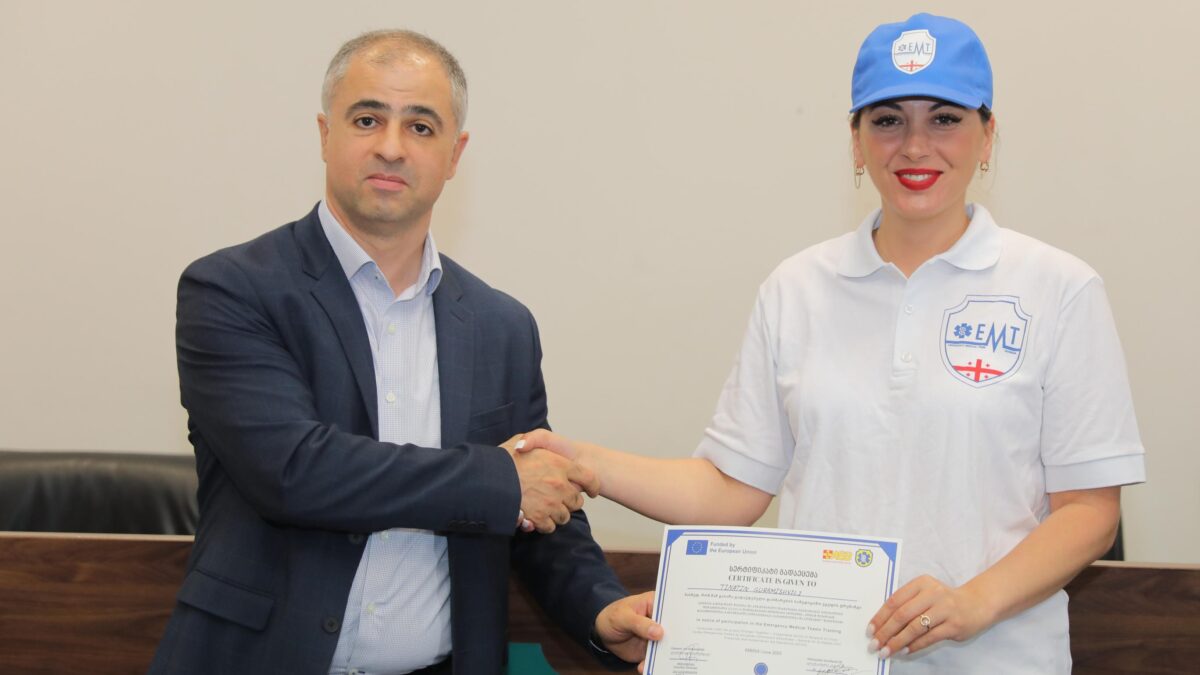
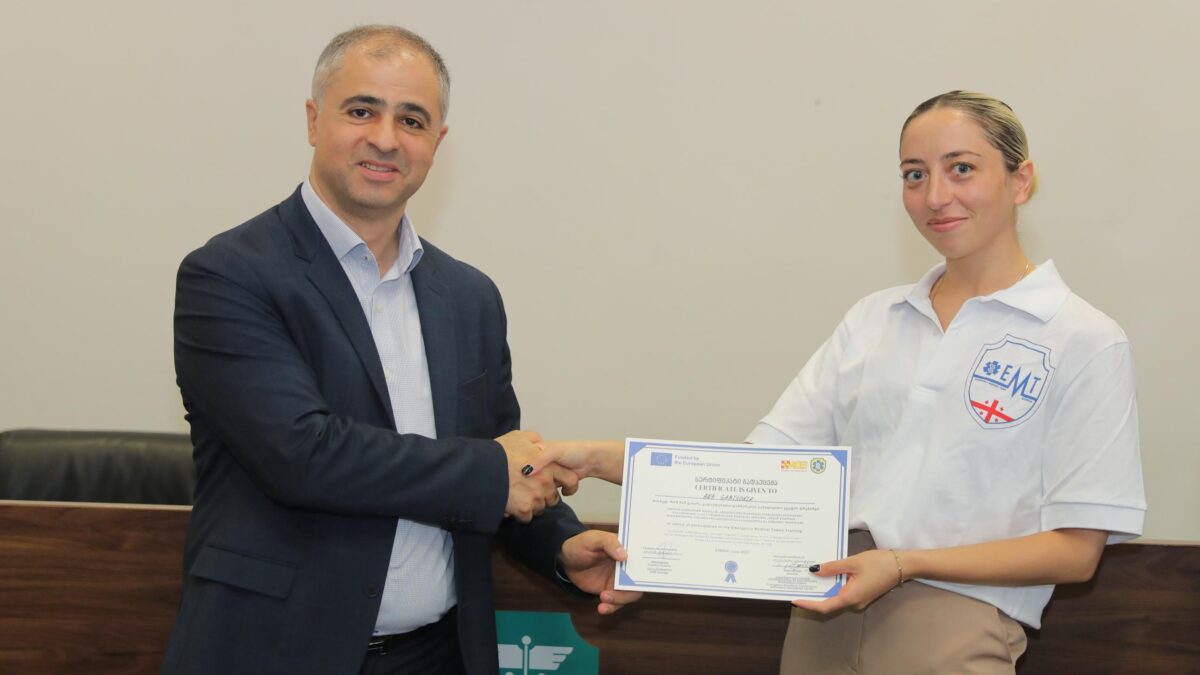
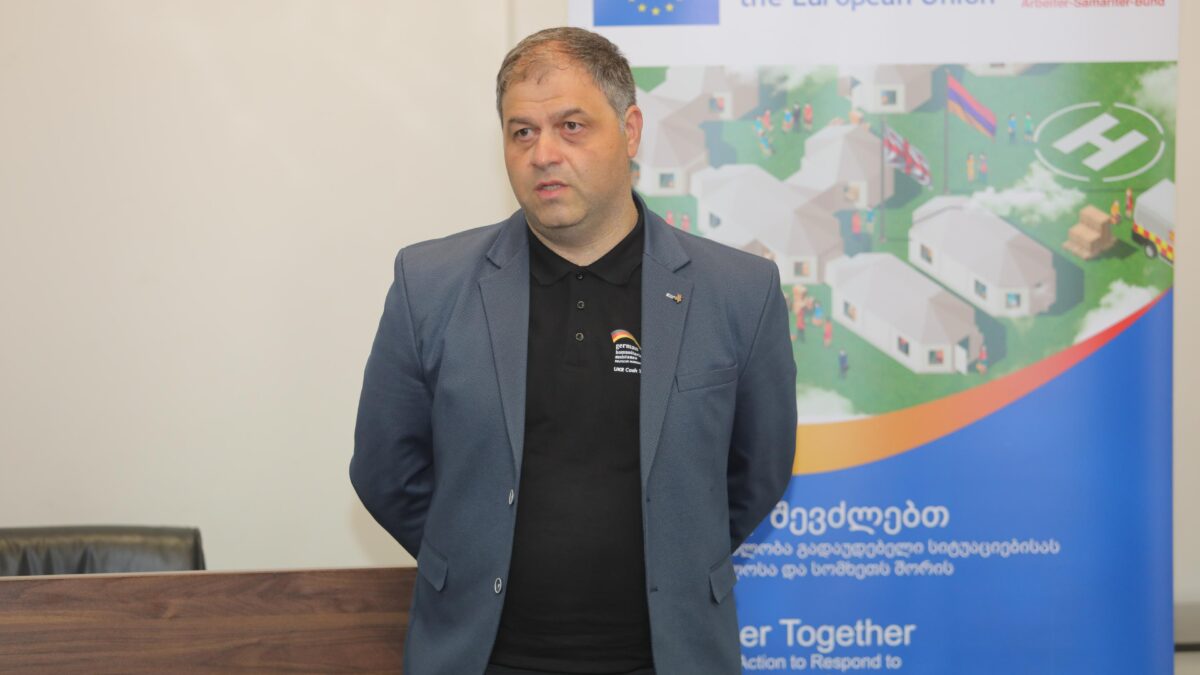
From 15 May to 9 June 2023, a 120-hour induction training course for members of the Georgian Emergency Medical Team (EMT) was conducted.
The training was delivered by EMT trainers prepared through the project and aimed to strengthen the operational readiness and professional capacity of Georgian EMT roster members. The program focused on preparing specialists for effective participation in emergency medical deployments and improving national preparedness for health emergencies and disasters.
During the training, participants explored key aspects of humanitarian assistance mechanisms, civil protection systems, and the operational functioning of Emergency Medical Teams. Special attention was given to international best practices, as well as to the logistical, medical, and psychological components necessary for effective EMT management and deployment.
The training program covered several core modules:
Module 1 – Introduction and coordination mechanisms – Participants examined the national health emergency response plan, the structure of the Health Emergency Operations Center (EOC), and local health emergency coordination arrangements. The module also addressed the EMT concept, lessons learned from previous emergencies, activation of international EMT assistance, coordination with national and international partners, civil-military cooperation, and the process for becoming a WHO-classified international EMT.
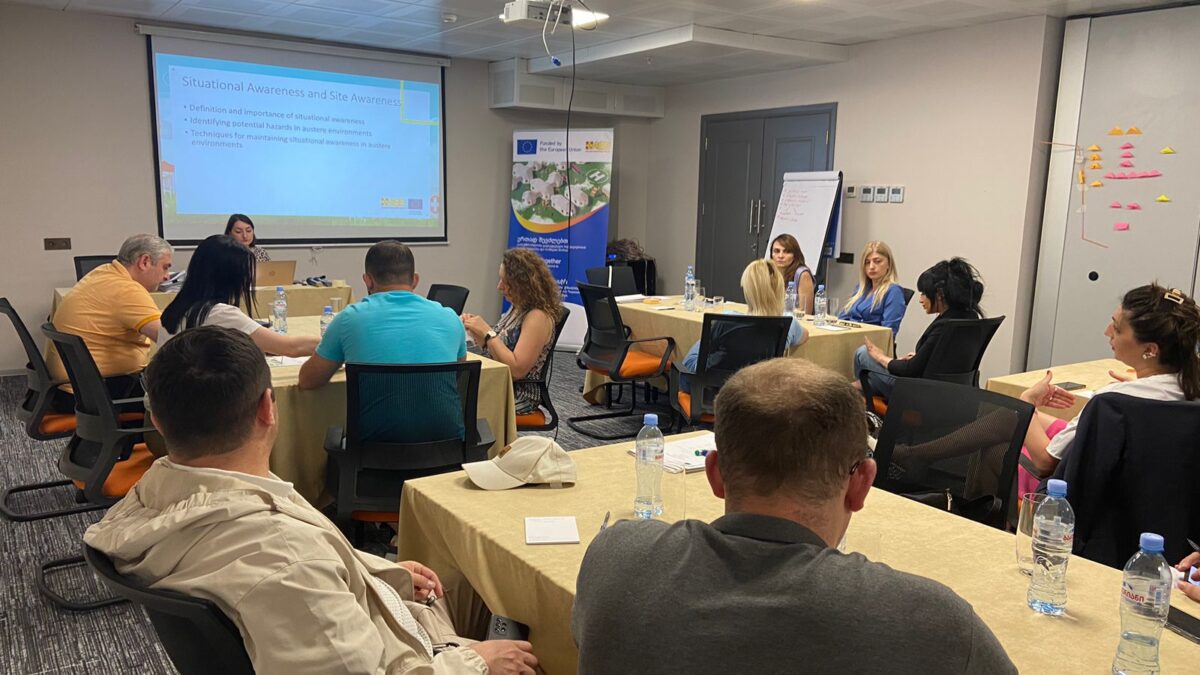
Module 2 – EMT flow and onsite management – This module focused on administrative and financial aspects of deployment, team collaboration, work in austere environments, safety and security considerations, logistics, WASH (water, sanitation and hygiene), data collection and reporting, and communication with the media during emergency operations.
Module 3 – Essential healthcare in emergencies – Participants received training on triage, emergency assessment and stabilization, referral and patient transfer, trauma care, communicable and non-communicable diseases, maternal and child health, infection prevention and control, laboratory services, rehabilitation, mental health support, and other essential healthcare services required during emergency response operations.
Module 4 – Psychological health and resilience – This module focused on psychological first aid, recognizing signs of trauma, stress management, peer support and debriefing, resilience building, and practical strategies for coping with critical incidents during emergency deployments.
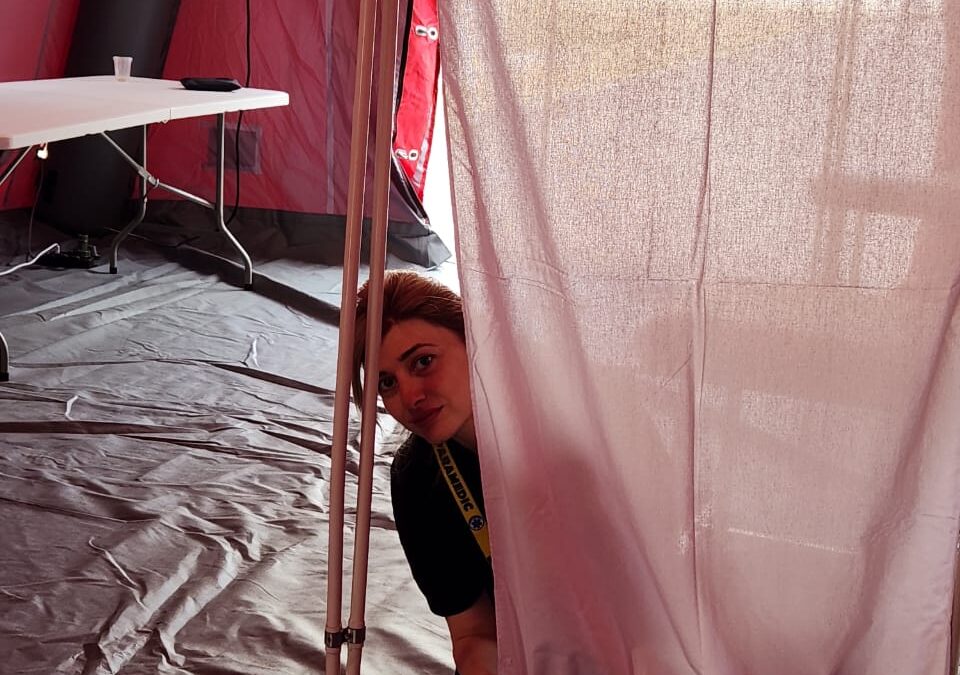
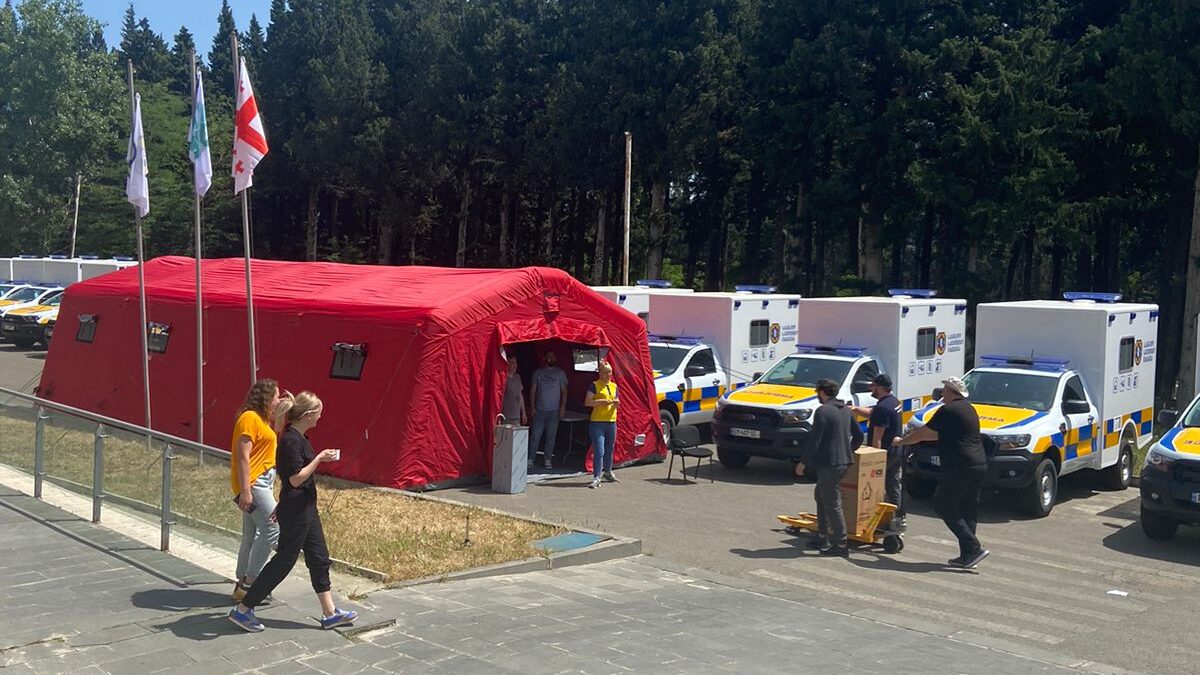
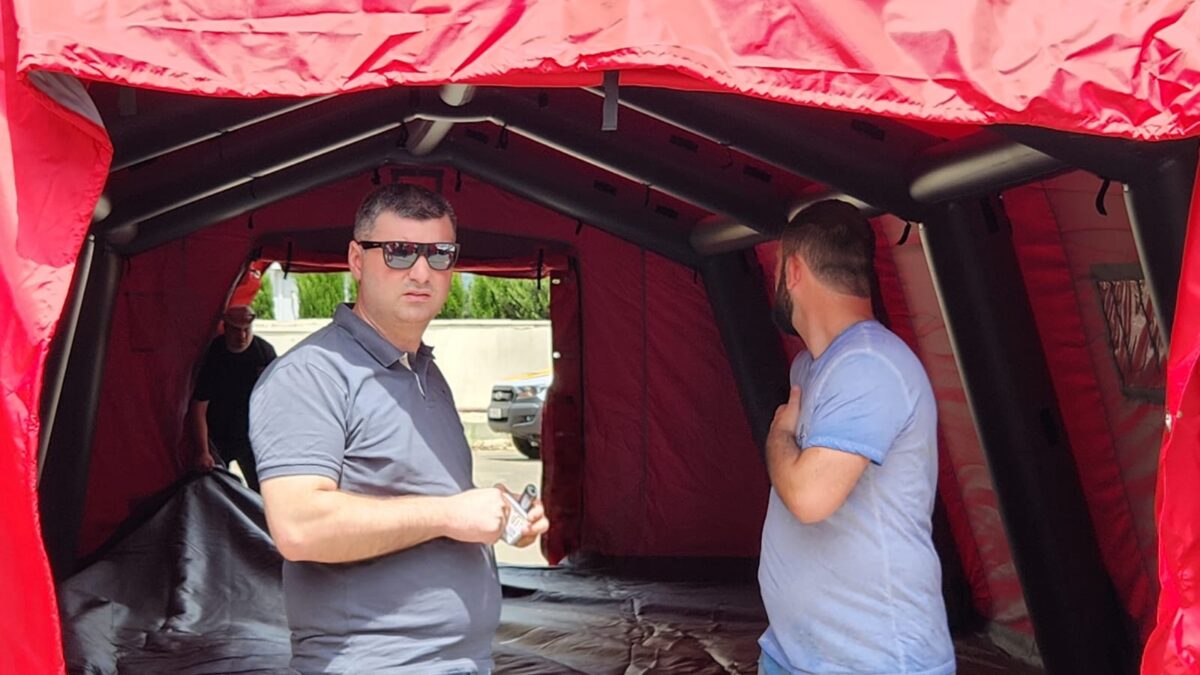
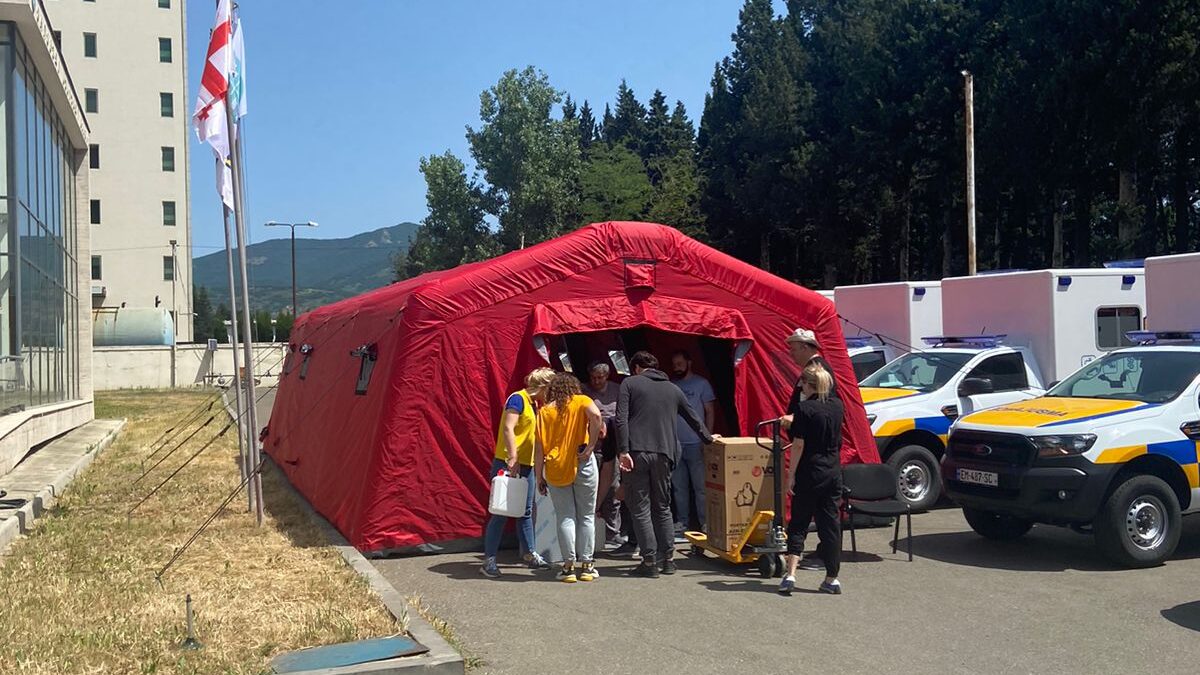
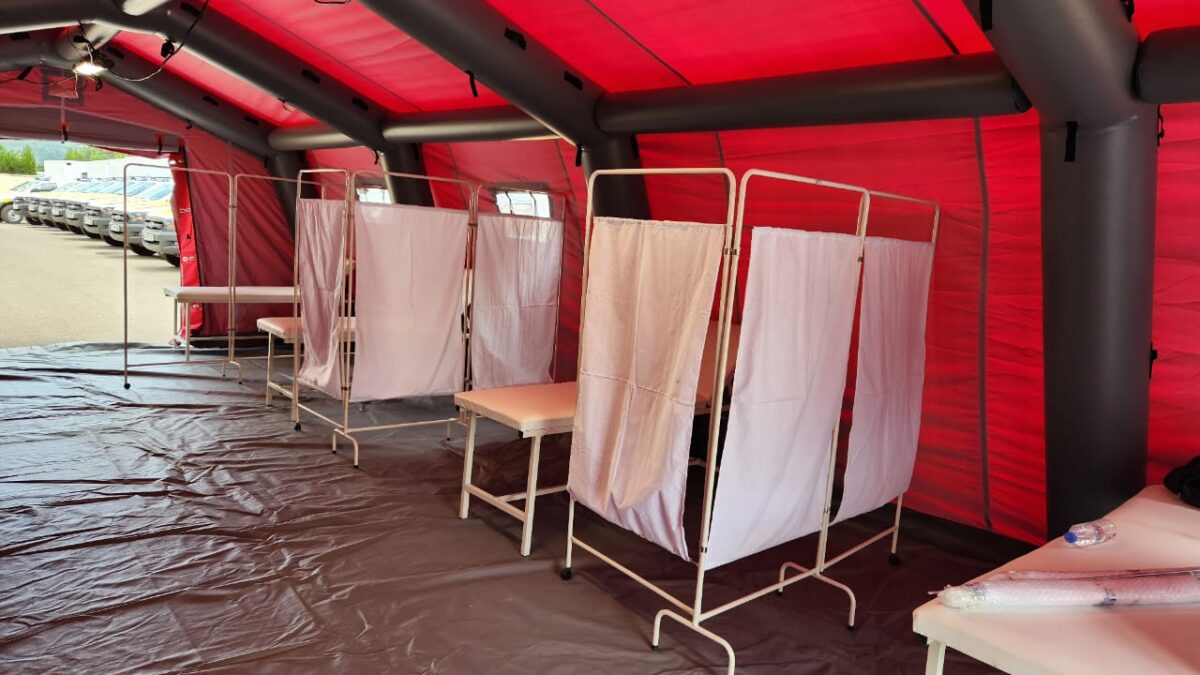
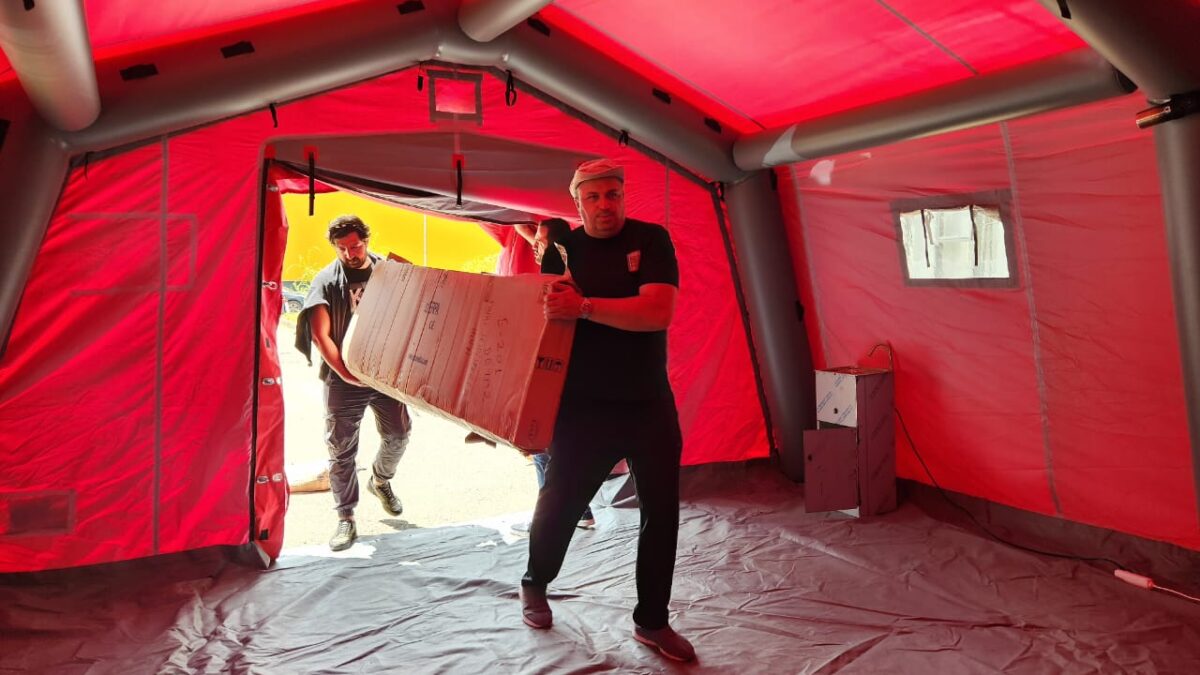
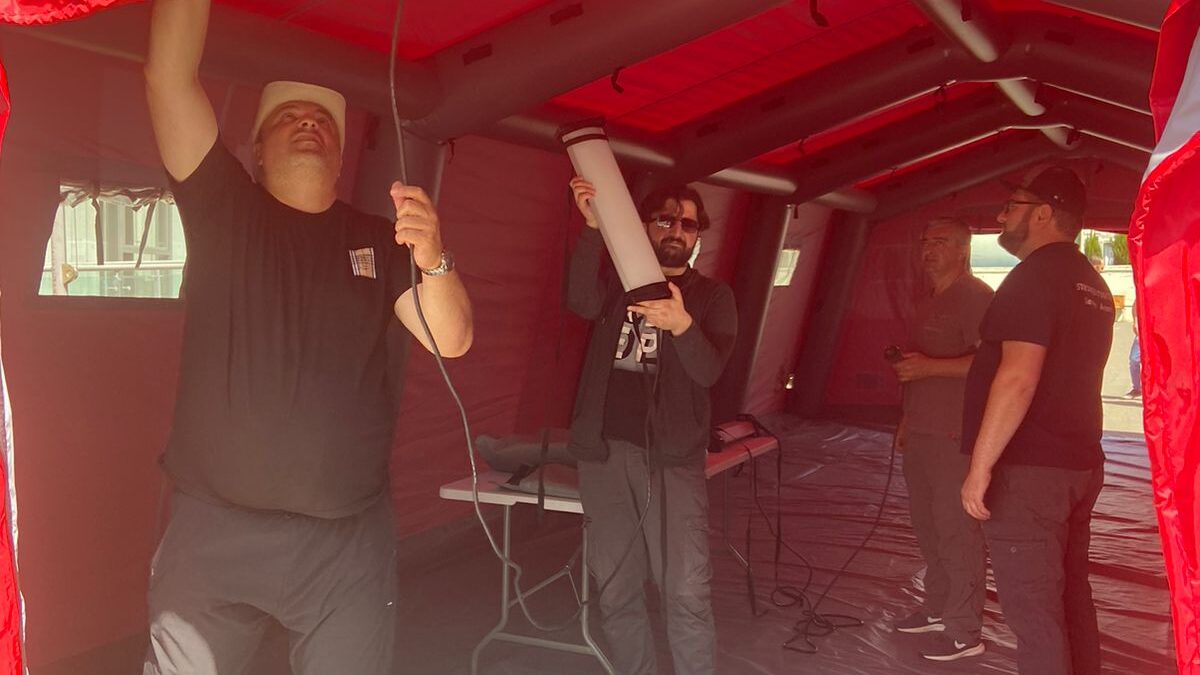
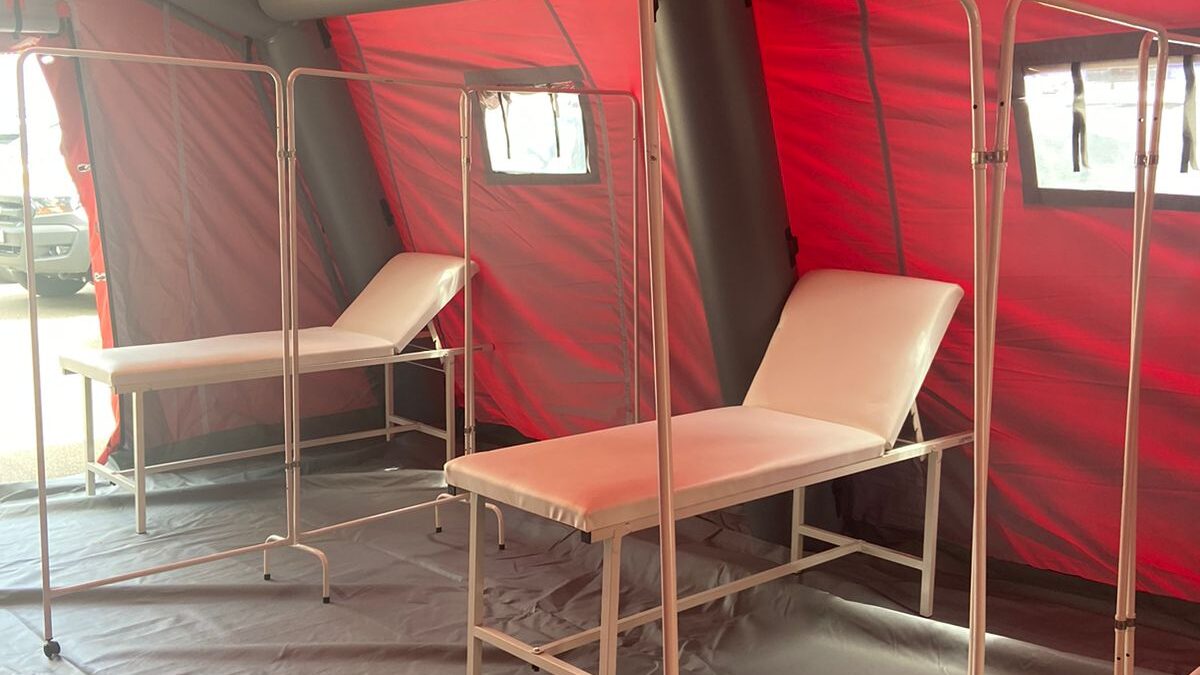
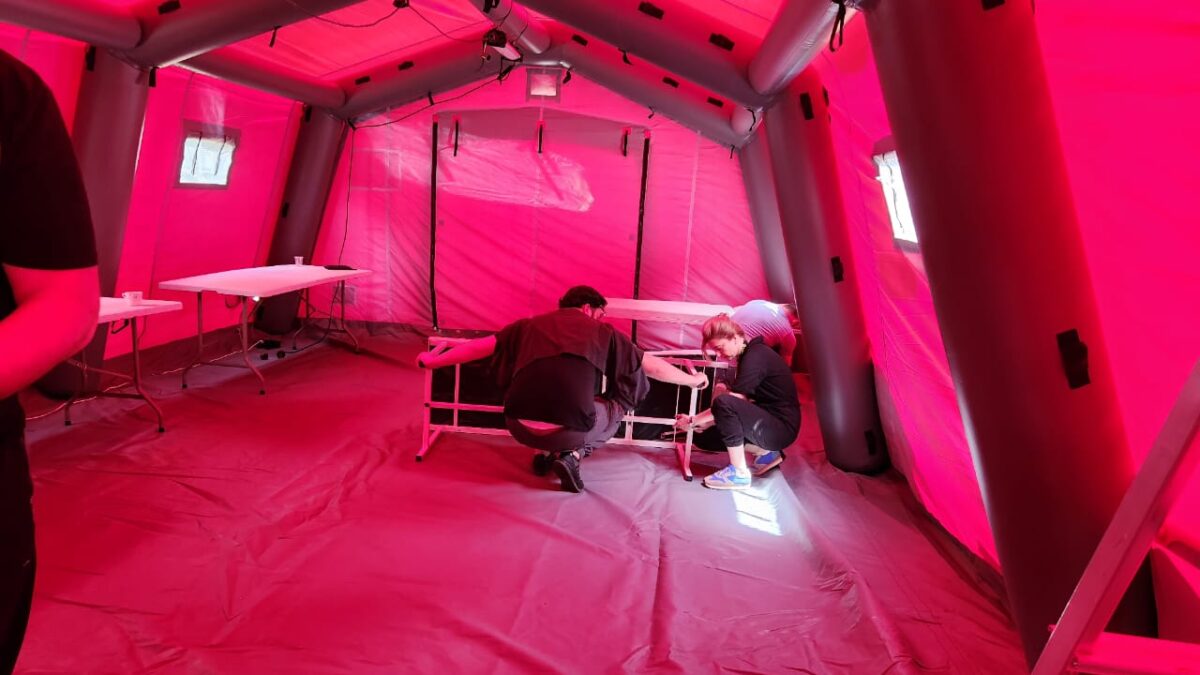
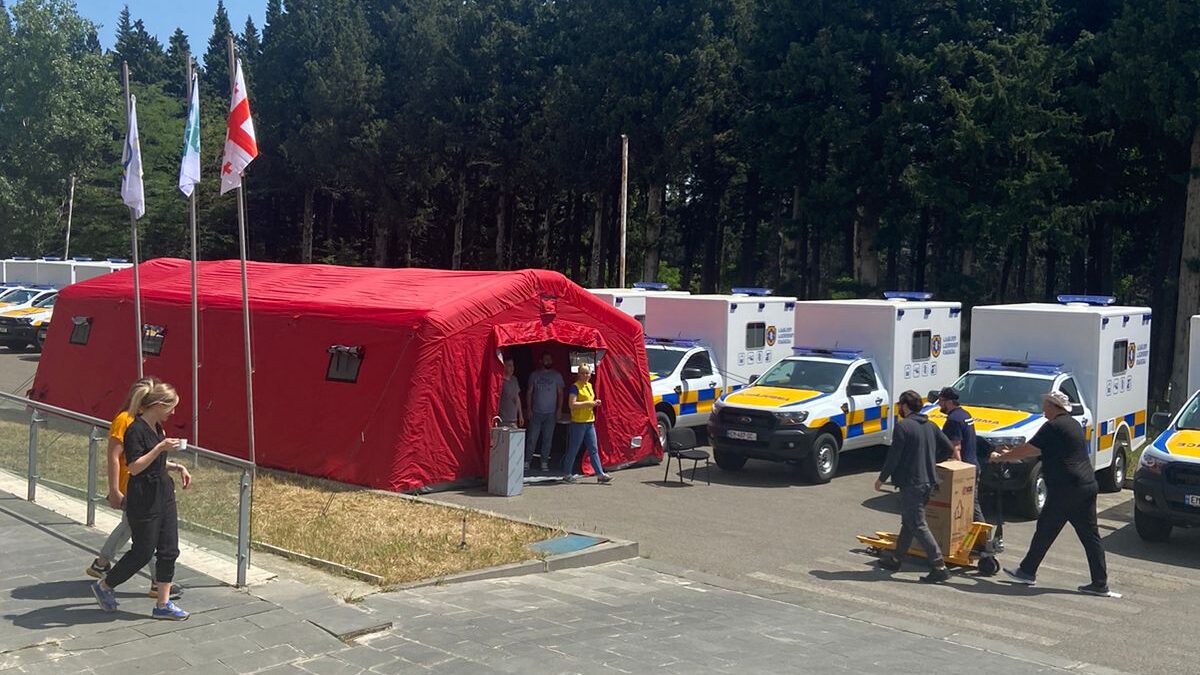
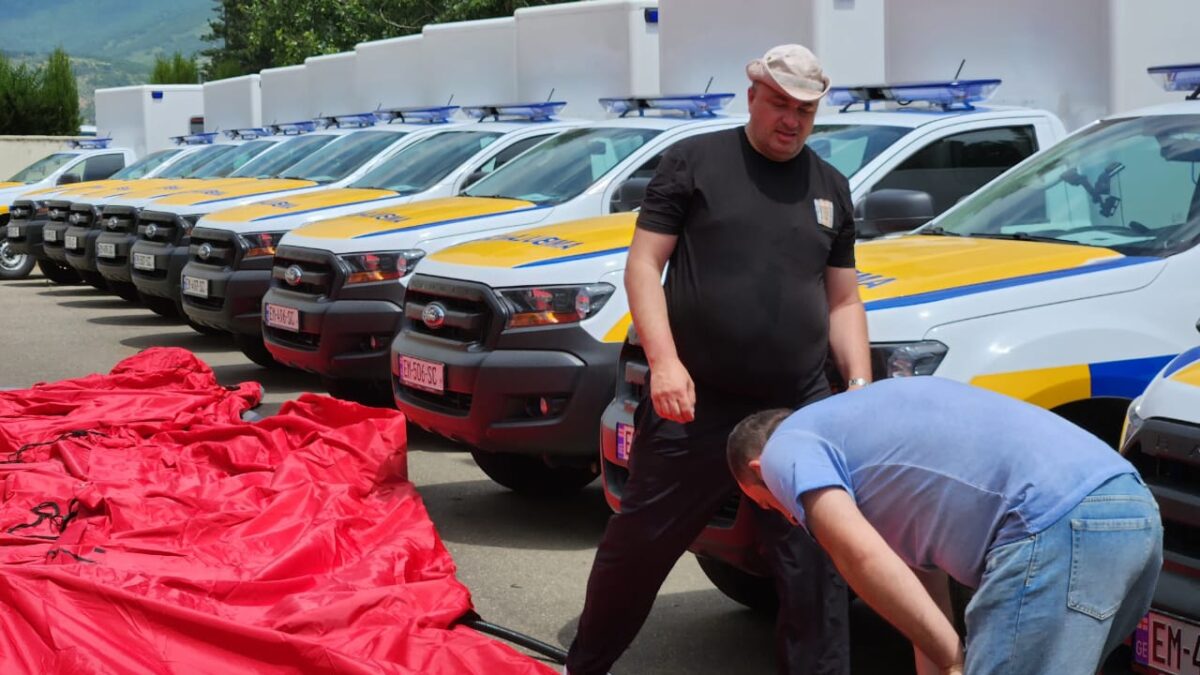
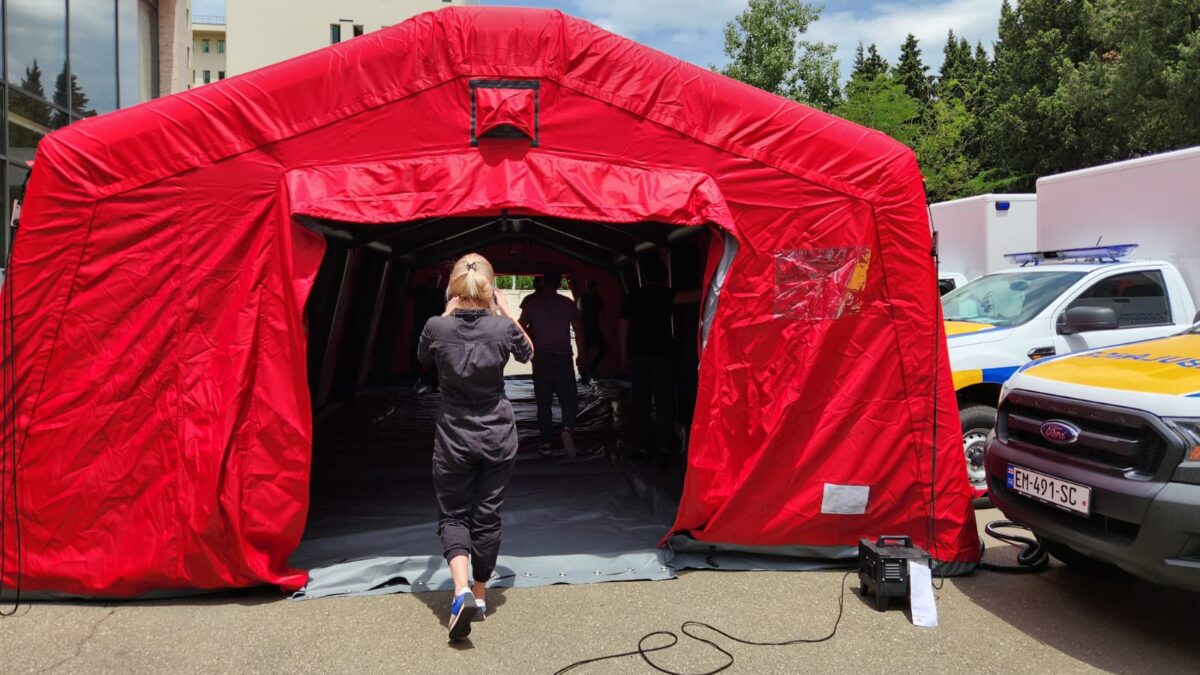
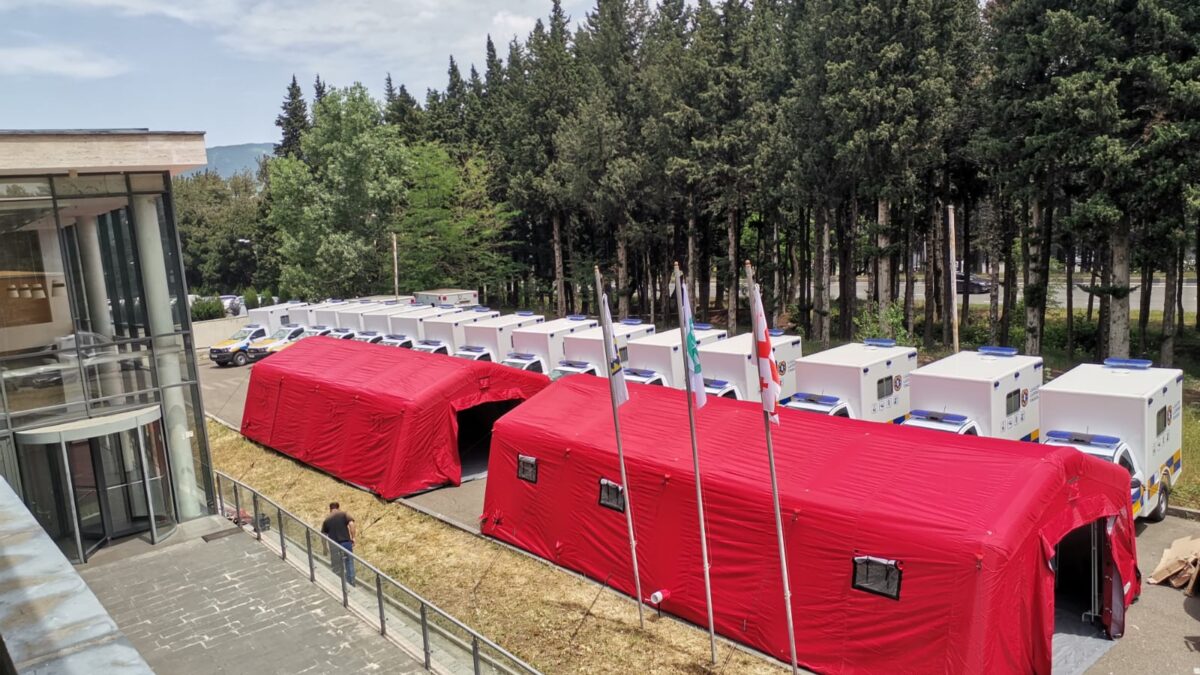
Module 5 – Simulation exercises (SIMEX) – Participants applied their theoretical knowledge through field exercises and practical scenarios, allowing them to practice coordination and operational decision-making in realistic emergencies.
Induction training for Georgain EMT roster
A 120-hour training program for roster members of the Georgian National Emergency Medical Team (EMT) was conducted from 29 September to 17 October 2025 with financial support from the World Health Organization (WHO).
The training aimed to prepare a qualified pool of specialists ready for EMT deployment, strengthening Georgia’s capacity to respond effectively to health emergencies and disasters. The programme focused on key aspects of humanitarian assistance, civil protection mechanisms, and the operational functioning of emergency medical teams.
Throughout the course, participants explored international best practices and standards for EMT operations, while also developing practical knowledge on the logistical, medical, and psychological components required for effective emergency response and deployment.
Emergency Medical Teams are designed to provide rapid medical assistance during emergencies, both nationally and internationally, supporting response efforts in disaster-affected areas.
The program contributed to strengthening national emergency preparedness and response capacities and supported the ongoing development of EMTs that meet international standards and can participate in global emergency response mechanisms.
As part of the training, participants took part in practical simulation exercises, where they applied their newly acquired knowledge and skills in realistic emergency response scenarios.
This initiative supported efforts to enhance health emergency preparedness, operational readiness, and international cooperation in disaster response.
Induction training for Armenian EMT
On 26 April 2024, the 120-hour induction training course for the Armenian Emergency Medical Team (EMT) successfully concluded in Armenia.
The 15-day intensive training program aimed to strengthen the operational readiness and professional capacity of EMT members in line with international EMT standards. The course focused on improving preparedness and response mechanisms for health emergencies and disasters.
The training program included several key modules:
- Introduction and coordination mechanisms – covering national health emergency response planning, Health Emergency Operations Center (EOC) structures, coordination with international EMTs, and civil-military cooperation.
- EMT flow and onsite management – including deployment procedures, logistics, operational safety and security, WASH, data collection and reporting, and media management in emergency contexts.
- Essential healthcare in emergencies – focusing on triage, trauma and emergency care, communicable and non-communicable diseases, maternal and child health, infection prevention and control, laboratory services, and patient flow management.
- Psychological health and resilience – addressing psychological first aid, trauma awareness, stress management, and strategies to strengthen team resilience during emergency operations.
- Simulation exercises (SIMEX) – providing practical field scenarios to apply operational coordination and emergency response skills in realistic situations.
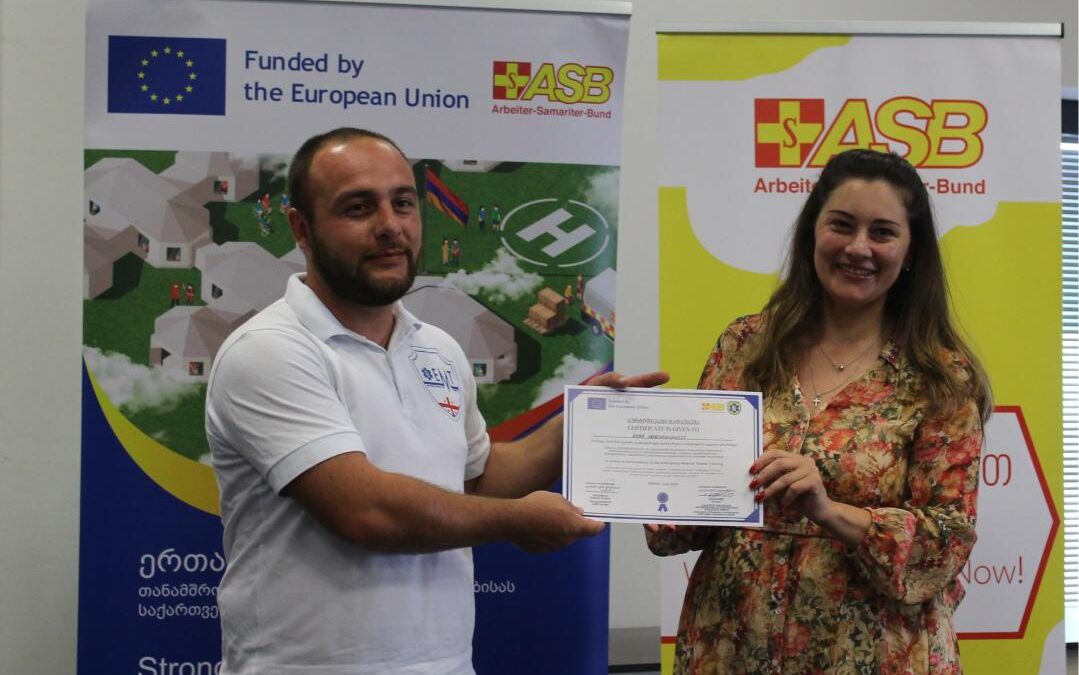
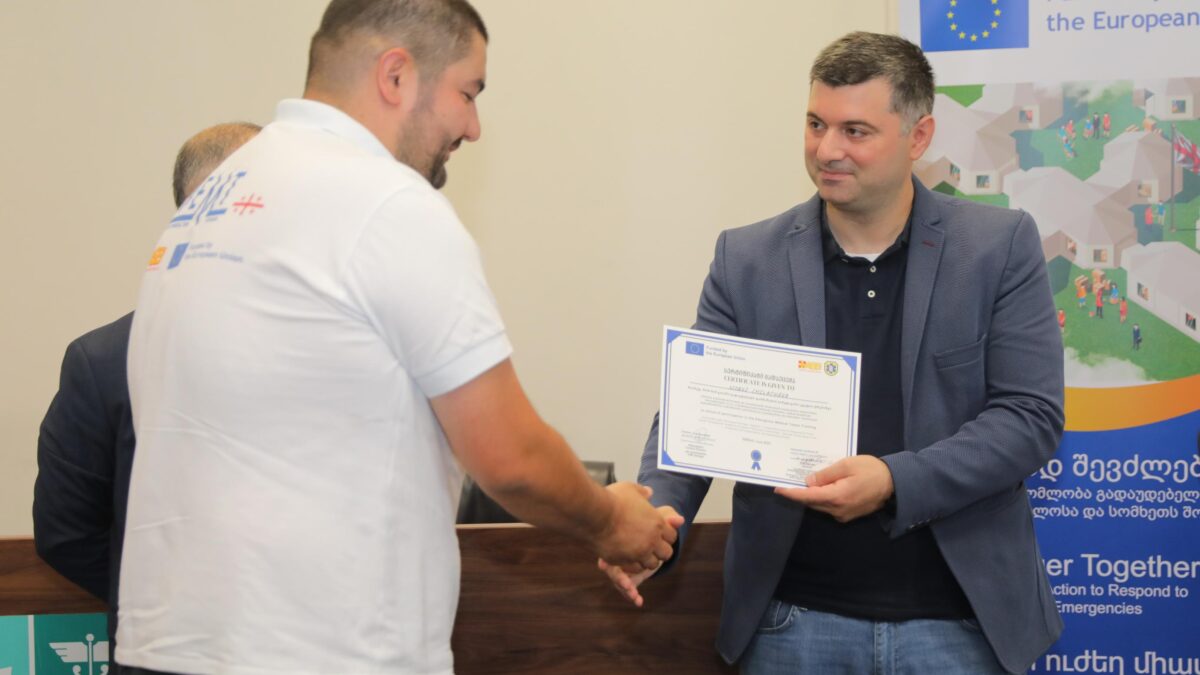
Following the completion of the program, participants received certificates recognizing their successful participation in the training.
This initiative contributes to strengthening national emergency medical response capacities and enhancing preparedness and cooperation for cross-border emergencies in the region.
To access the training materials, please contact us !